
Halcyan water conditioners logo
  • Home
  • Halcyan Explained
    • How It Works
    • Which Size Is Right For You?
    • How To Install The Halcyan
  • Why Us
    • The Halcyan Story
    • Testimonials
    • Clients & Partners
  • Advice Hub
    • Energy & CO2 Saving Opportunities
    • Blog
  • FAQ’s
  • Commercial
  • Contact

No products in the basket.

Visit the Shop
Call Us
Halcyan water conditioners logo
  • Home
  • Halcyan Explained
    • How It Works
    • Which Size Is Right For You?
    • How To Install The Halcyan
  • Why Us
    • The Halcyan Story
    • Testimonials
    • Clients & Partners
  • Advice Hub
    • Energy & CO2 Saving Opportunities
    • Blog
  • FAQ’s
  • Commercial
  • Contact

No products in the basket.

Visit the Shop
Call Us
Halcyan Water Conditioners logo in white
Shop
Call Us

No products in the basket.

  • Home
  • Halcyan Explained
    • How It Works
    • Which Size Is Right For You?
    • How To Install The Halcyan
  • Why Us
    • The Halcyan Story
    • Testimonials
    • Clients & Partners
  • Advice Hub
    • Energy & CO2 Saving Opportunities
    • Blog
  • FAQ’s
  • Commercial
  • Contact
  • Home
  • Halcyan Explained
    • How It Works
    • Which Size Is Right For You?
    • How To Install The Halcyan
  • Why Us
    • The Halcyan Story
    • Testimonials
    • Clients & Partners
  • Advice Hub
    • Energy & CO2 Saving Opportunities
    • Blog
  • FAQ’s
  • Commercial
  • Contact

Category: Hard Water

May 15, 2026
CleaningLimescaleSustainability and the EnvironmentHard Water

Water Filter vs Water Conditioner: What South African Homeowners Need to Know

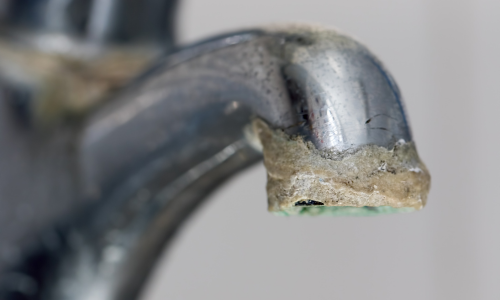
If you’ve been shopping for a water filter to deal with the chalky white residue building up on your taps, showerhead, and kettle, you’re not alone. Thousands of South African homeowners type those exact words into Google every month. But here’s the thing: a water filter and a water conditioner solve fundamentally different problems. Understanding that difference before you buy could save you a considerable amount of money – and a great deal of frustration.

In this guide, we break down exactly what each solution does, where each one falls short, and why a growing number of South African homeowners are turning to a water conditioner instead.

What Does a Water Filter Actually Do?

A water filter is designed to remove things from your water. Depending on the type, it might reduce chlorine, bacteria, heavy metals, sediment, or other contaminants. Carbon block filters, reverse osmosis systems, and jug-style filters all work on this principle: they physically trap or absorb unwanted particles as water passes through a filtration medium.

For improving the taste or safety of your drinking water, a good filter does a reliable job. However, filters have a specific and important limitation – they require regular maintenance. Cartridges need replacing, membranes can clog, and if you forget to service them on schedule, performance drops off quickly.

Moreover, a standard water filter is not designed to tackle limescale. Limescale is caused by calcium carbonate – a naturally occurring mineral that is perfectly safe to drink but becomes problematic when it builds up on heating elements, taps, and pipes. Filtering calcium carbonate out of your water would require a highly specialised (and expensive) system, and even then, you’d be stripping out the very minerals that make hard water nutritionally valuable.

The Real Culprit in Most South African Homes: Hard Water and Limescale

South Africa is a predominantly hard water country. Regions including Limpopo, Mpumalanga, Gauteng, the Western Cape, and the Cape West Coast all have high mineral content in their water supply. As rainwater travels through rock and soil to reach our reservoirs, it picks up calcium and magnesium – which is actually good for your health, but less ideal for your home.

The problem arises when these minerals precipitate out of the water and bond onto surfaces. Just 3mm of limescale on a geyser element forces it to use at least 21% more energy to heat the same volume of water. Multiply that across your appliances – your washing machine, dishwasher, kettle, and showerheads – and the cost adds up fast. South African homeowners in hard water areas can lose the equivalent of R11,000 per year in energy alone.

This is a limescale problem, not a contamination problem. And that’s a crucial distinction, because a water filter cannot solve it.

What Is a Water Conditioner – and How Is It Different?

A water conditioner works at a molecular level rather than through physical filtration. Instead of removing minerals from your water, it changes the way those minerals behave. Specifically, it alters the structure of calcium carbonate so that it can no longer cling to surfaces and form the hard, crusty deposits we call limescale.

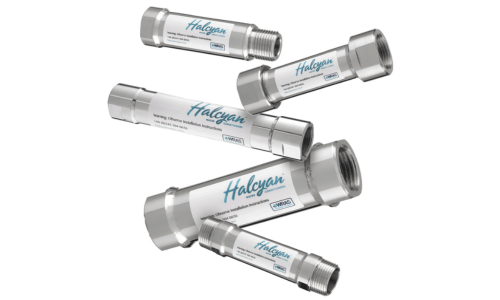
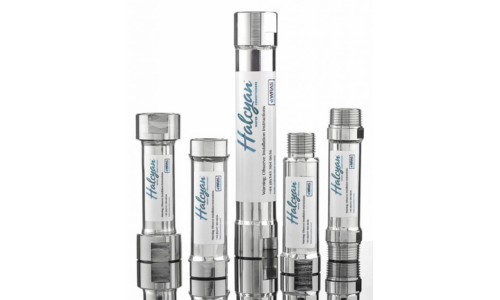
The Halcyan Water Conditioner, for example, uses a patented alloy of 12 metals cast into a compact unit that installs directly onto your incoming mains pipe. As water flows through, it passes over the alloy core, creating a galvanic reaction that restructures the calcium carbonate molecules. The result? The minerals stay in your water – contributing to your health – but they lose their ability to bond to your pipes, geyser element, taps, or any other surface.

Furthermore, existing limescale gradually dissolves over time as the re-engineered water flows through your system. Customers typically notice a visible reduction in build-up within a few weeks of installation.

Water Filter vs Water Conditioner: A Side-by-Side Comparison

To make the comparison clear, here’s how the two solutions differ across the most important criteria:

Feature Water Filter Halcyan Water Conditioner
Tackles limescale No Yes – removes and prevents
Removes contaminants Yes No (not its purpose)
Retains healthy minerals Depends on type Yes – always
Requires maintenance Yes – regular cartridge replacement No – fit and forget for 30+ years
Uses electricity or chemicals Sometimes Never
Impact on water pressure Can reduce Negligible (4.27 PSI drop)
Eco-friendly Partially Fully – zero chemicals, zero power
Warranty Varies 30-year manufacturer’s warranty
Money-back guarantee Varies 12-month performance guarantee


Why More South African Homeowners Are Choosing a Water Conditioner

For homeowners dealing specifically with limescale – rather than a contamination concern – the Halcyan Water Conditioner offers a more complete and more permanent solution than any water filter on the market. It installs once, requires no ongoing maintenance, uses no electricity, and adds nothing artificial to your water.

Additionally, the savings are real and measurable. On average, South African households save approximately R10,000 per year across energy costs and cleaning products once limescale stops building up throughout their system. Over the lifetime of the unit – which carries a 30-year warranty – that figure becomes compelling.

It is also worth noting what the Halcyan does not do: it does not soften your water by removing minerals in the way a salt softener would. Your water remains healthy and mineral-rich; it simply behaves differently. As a result, you can drink from every tap in your home without any concern. The unit holds full WRAS certification – the international standard for drinking water equipment.

For households that do have a specific contamination concern alongside a hard water problem, the good news is that the two solutions are complementary. A water conditioner can actually protect and extend the life of any filter you have installed, because limescale no longer builds up around the filter housing or cartridge.

Frequently Asked Questions

  1. Can a water filter remove limescale from my pipes and appliances?

A standard water filter cannot remove limescale already in your system, nor can it prevent new build-up. Limescale is caused by calcium carbonate bonding to surfaces – a physical and chemical process that filtration alone does not address. A water conditioner is specifically designed to reverse and prevent this process.

  1. Is a water conditioner the same as a water softener?

No. A water softener removes calcium and magnesium from your water using salt or resin, which means you typically cannot drink the water from every tap and must add salt regularly. A water conditioner retains all the natural minerals in your water but changes their molecular structure so they cannot form limescale. It requires no salt, no chemicals, and no maintenance.

  1. Will a water conditioner improve the taste of my water?

The Halcyan Water Conditioner does not alter the chemical composition of your water, so technically the taste should remain the same. However, many customers report that water feels and tastes better after installation – likely because of the improved texture and the absence of dissolved limescale particles. If your primary concern is taste or a specific contaminant, a filter jug used alongside your conditioner is a practical solution.

  1. How long does it take for a water conditioner to remove existing limescale?

The timeline varies depending on how long limescale has been building up and where it is located. Most customers notice a visible difference within a few weeks, particularly on showerheads and taps. In pipes and geyser elements, the process can take a few months. Because the Halcyan comes with a 12-month performance guarantee, you have ample time to observe results before committing permanently.

  1. Is the Halcyan Water Conditioner safe to drink from?

Absolutely. The Halcyan holds WRAS certification – the same international standard applied to any equipment installed into a drinking water supply. The unit adds nothing to your water and removes nothing from it. Your water quality report will be identical before and after installation; the only change is in how the minerals behave once they enter your home.

Ready to Solve Your Hard Water Problem for Good?

If you’ve been searching for a water filter and what you’re really dealing with is a limescale problem, a Halcyan Water Conditioner is likely the better solution. It installs in under an hour, requires no upkeep, and comes backed by a 30-year warranty and a 12-month performance guarantee.

Whole house units start from R21,982 including VAT, with next-business-day delivery to most areas across South Africa.

Visit our shop or call us on +27 82 789 1076 to speak with our team. We’re happy to help you find the right unit for your home – and to answer any questions about water treatment in South Africa.


Learn More
Kurt
October 20, 2023
CleaningLimescaleHard Water

Understanding the Grime on Grout: What Causes Build-Up and How to Deal with It

Grout, the mortar-like substance that fills the spaces between tiles, plays a crucial role in the aesthetics and durability of your tiled surfaces. However, it’s also a magnet for dirt, grime, and unsightly build-up. If you’ve ever wondered what causes these stubborn deposits on your grout lines, this blog is here to shed light on the culprits and provide some practical tips on how to deal with them effectively.


The Dirty Grout Culprits:

  1. Mould and Mildew: Moisture-rich environments, such as bathrooms and kitchens, are prime breeding grounds for mould and mildew. When spores find their way into the grout and encounter moisture, they can grow rapidly, leading to the formation of dark, unattractive stains.
  2. Hard Water Deposits: In areas with hard water, the minerals (usually calcium and magnesium) present in the water can accumulate on your grout lines as the water evaporates. This leads to the formation of white, chalky deposits that are notoriously difficult to remove.
  3. Soap Scum: In the shower or around sinks, soap and shampoo residue can build up over time. When mixed with minerals from hard water, it can form a sticky, soap scum layer that adheres to grout.
  4. Dirt and Grime: Over time, the natural accumulation of dust, dirt, and oils can settle into the porous surface of grout, making it appear darker and more challenging to clean.
  5. Food and Beverage Spills: In kitchen areas, accidental spills of food and beverages can lead to staining and residue build-up on grout lines.


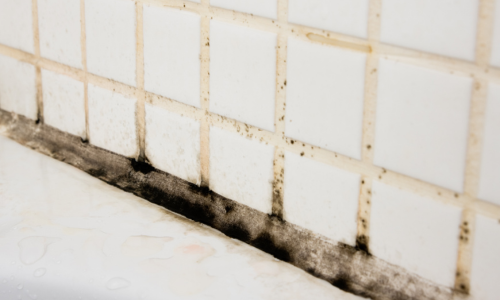
how to clean dirty grout


Dealing with Dirty Grout:

  1. Regular Cleaning: The most effective way to prevent build-up on grout is to clean it regularly. Routine maintenance can go a long way in preventing mould, hard water deposits, and other contaminants from taking hold.
  2. Proper Ventilation: Proper ventilation in bathrooms and kitchens can help reduce moisture levels, discouraging mould and mildew growth.
  3. Seal Your Grout: Applying a quality grout sealer creates a protective barrier, making it more difficult for contaminants to penetrate the grout and take root.
  4. Use the Right Cleaning Products: Select cleaning products that are appropriate for grout cleaning. There are specific grout cleaners available that are formulated to tackle mould, hard water stains, and other grime.
  5. Scrub Gently: When cleaning grout, use a soft-bristle brush to scrub the surface gently. Avoid using abrasive tools that can damage the grout.
  6. Professional Cleaning: If grout build-up is severe or has become a persistent issue, consider professional grout cleaning or regrouting services to restore the surface to its original glory.


Can Dirty Grout be Prevented?

If cleaning your grout seems like an endless game of whack-a-mole then it’s time to start looking for a more permanent solution. A Halcyan Water Conditioner can be a valuable addition to your home for preventing limescale build-up and maintaining cleaner grout:


  1. The Halcyan Reduces Mineral Deposits: Halcyan Water Conditioners are designed to alter the behaviour of mineral ions in your water, making them less prone to forming limescale deposits. When water evaporates on your grout lines, the treated water is less likely to leave behind calcium and magnesium deposits, reducing the formation of hard water stains and build-up on your grout.
  2. Long Term Prevention: Halcyan Water Conditioners provide a continuous and long-term solution for preventing limescale. By reducing the build-up of hard water deposits and accumulation of soap scum, these conditioners help keep your grout cleaner over time.
  3. Easier Cleaning: With less limescale forming on your grout, cleaning becomes more manageable and less frequent. You’ll spend less time scrubbing grout lines and more time enjoying your clean and attractive tiled surfaces.
  4. Extending the Lifespan of Tile and Grout: By preventing limescale and mineral deposits, a Halcyan Water Conditioner can also extend the lifespan of your grout and the tiles themselves. Prolonged exposure to mineral deposits can weaken grout, making it more susceptible to dirt and staining.
  5. Environmental Benefits: Halcyan Water Conditioners are eco-friendly and do not rely on the use of salt or chemicals like traditional water softeners. This makes them a more sustainable and environmentally responsible choice.


Halcyan


Conclusion

Understanding what causes build-up on grout is the first step in effective maintenance. With proper care and cleaning techniques, you can keep your grout lines looking clean and fresh, enhancing the beauty and longevity of your tiled surfaces. Don’t let grout grime get the best of your bathroom or kitchen—take action to prevent and remove it for a brighter and more attractive space.


If you’d like to find out more about the Halcyan Water Conditioner, you can explore our Knowledge Centre and find out how it works here. You can call our expert team on 0345 504 0656 for more information on how you, your home and your garden can benefit from installing a Halcyan.


Why Choose Halcyan?

Halcyan Water Conditioners is a British company based in Bristol and our alloy-based solution to hard water is unique to the UK. Our alloy-based Water Conditioner is an eco-friendly, people-friendly solution to hard water and keeping your grout woes at bay! With our 30 Year Warranty and our 12 Month Money Back Performance Guarantee, the Halcyan is the perfect ‘fit and forget’ solution!

Learn More

Samantha
October 13, 2023
CleaningLimescaleHard Water

Get Your Shine Back: How to Clean Limescale Off Stainless Steel

Stainless steel is a popular choice for kitchen appliances, sinks, and fixtures due to its sleek and modern look. However, one downside is that it can develop limescale deposits over time, especially in areas with hard water. These mineral deposits can make your stainless steel items appear dull and unsightly. But fear not, for in this blog, we’ll explore effective methods to clean limescale off stainless steel and restore its shine.


Why Limescale Forms on Stainless Steel

Limescale is primarily composed of calcium and magnesium deposits from hard water. When water with a high mineral content evaporates on stainless steel surfaces, it leaves behind these mineral residues, resulting in the tell-tale cloudy or chalky build-up.


Materials You’ll Need:

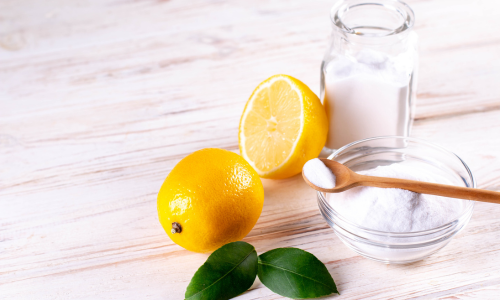
  • White vinegar or lemon juice
  • Baking soda
  • Soft cloths or sponges
  • A microfiber cloth
  • A bowl or spray bottle

how to get limescale off stainless steel


Cleaning Methods:

Method 1: Vinegar or Lemon Juice Soak

Prepare a Vinegar or Lemon Juice Solution:

  • In a bowl or spray bottle, mix equal parts white vinegar or lemon juice and water. If you have a severe limescale problem, you can use the undiluted solution.

Apply the Solution:

  • Spray or soak a soft cloth or sponge in the solution, and then place it on the limescale-affected area.

Allow Soaking:

  • Let the cloth or sponge sit on the limescale for about 10-15 minutes. This gives the acid time to break down the mineral deposits.

Gently Scrub:

  • After soaking, use the cloth or sponge to gently scrub the limescale. The deposits should start coming off. If necessary, repeat this process.

Rinse and Dry:

  • Rinse the stainless steel with water to remove any residue. Dry it thoroughly with a clean, dry microfiber cloth to prevent new water spots.


Method 2: Bicarbonate of Soda Paste

Make a Bicarbonate of Paste:

  • Mix bicarbonate of soda with a small amount of water to form a thick, spreadable paste.

Apply the Paste:

  • Apply the bicarbonate of soda paste to the limescale-affected areas. Ensure you cover the deposits evenly.

Let It Sit:

  • Allow the paste to sit for about 15 minutes.

Gentle Scrubbing:

  • Use a soft cloth or sponge to gently scrub the paste on the stainless steel. The bicarbonate of soda will help lift the limescale.

Rinse and Dry:

  • Rinse the stainless steel with water and wipe it dry with a clean, dry microfiber cloth.


Method 2: Prevention

  • Wipe down stainless steel surfaces regularly to prevent limescale build-up.
  • Apply a stainless steel polish or protective spray to help prevent future limescale and maintain a shine.


Is There a Better Way to Remove Limescale?

Thankfully yes! An innovative solution to consider for limescale prevention is a Halcyan Water Conditioner. The Halcyan uses a unique physical water treatment method that doesn’t involve chemicals, salt, or electricity. Instead, it relies on the principles of fluid dynamics to alter the structure and behaviour of mineral ions in the water.

Halcyan Water ConditionerThese altered ions are less prone to forming limescale deposits on surfaces, appliances, and plumbing fixtures. Instead of accumulating as solid deposits, they tend to remain in suspension in the water, reducing the risk of limescale build-up. The best news? The Halcyan Water Conditioner will also remove existing limescale from your home over time!
 

Conclusion

Cleaning limescale off stainless steel can be accomplished using simple household items like vinegar, lemon juice, and bicarbonate of soda. Regular maintenance and prevention measures can also help keep your stainless steel looking its best. Preventing limescale with a Halcyan Water Conditioner is a proactive and eco-friendly approach to maintaining your home’s plumbing and appliances. The Halcyan Water Conditioner offers a preventive solution that reduces limescale formation from the start, saving you time, effort, and money while ensuring a more efficient and sustainable home. Consider it as an investment in the long-term health and performance of your household water systems.


If you’d like to find out more about the Halcyan Water Conditioner, you can explore our Knowledge Centre and find out how it works here. You can call our expert team on 0345 504 0656 for more information on the effects of hard water on stainless steel and how you can benefit from installing a Halcyan.


Why choose Halcyan?

Halcyan Water Conditioners is a British company based in Bristol and our alloy-based solution to hard water is unique to the UK. Our Water Conditioner is an eco-friendly, people-friendly solution to hard water! If you’re fed up with limescale dulling your shine and believe you’ve tried every method to remove it, get in touch with us to see how our Halcyan Water Conditioner can help.

Learn More

Samantha
October 12, 2023
LimescaleHard Water

Revealing the Hidden Menace: Hard Water and Its Unseen Damage

Water, the elixir of life, is essential for our daily activities. However, in many regions, hard water poses a silent threat, causing damage that often goes unnoticed until it’s too late. In this blog, we will uncover the hidden perils of hard water and explore an innovative solution for prevention – the Halcyan Water Conditioner.


Understanding Hard Water

Hard water contains high levels of minerals, primarily calcium and magnesium ions. While not harmful to health, these minerals can wreak havoc on your pipes and appliances. As hard water flows through pipes, it leaves behind mineral deposits, which can accumulate over time, leading to clogs and reduced water flow and extensive hidden damage.


The Hidden Damage:

  • Reduced Appliance Efficiency: Limescale can accumulate in appliances like washing machines, dishwashers, and boilers, reducing their efficiency. It insulates heating elements, making them less effective and requiring more energy to operate. This inefficiency not only raises energy bills but also shortens the lifespan of these appliances.
  • Clogged Pipes: Limescale can accumulate inside pipes, narrowing the diameter and restricting water flow. This can lead to reduced water pressure in taps and shower heads. In severe cases, it can completely block pipes, causing water to back up and potentially burst pipes.
  • Decreased Water Flow: Limescale buildup in shower heads and taps can reduce water flow, making showers less enjoyable and tasks like washing dishes more time-consuming.
  • Damage to Water-Based Appliances: Coffee makers, kettles, and irons are particularly susceptible to limescale buildup. It can damage internal components, affecting their performance and longevity.
  • Inefficient Water Heating: In boilers and heating systems, limescale forms an insulating layer on the heating element, making it less effective. This can lead to longer wait times for hot water and increased energy consumption.
  • Hidden Leaks: Limescale buildup can hide small leaks in pipes, making it difficult to detect water damage until it becomes a major issue. Over time, hidden leaks can cause structural damage to your home.

hidden damage

Prevention with Halcyan Water Conditioner

Traditional water softeners use salt to remove minerals, but they come with their own set of drawbacks, such as environmental concerns and ongoing maintenance. Here enters the Halcyan Water Conditioner, a revolutionary solution designed to combat hard water problems without the hassle.


How Halcyan Works

Halcyan Water Conditioner employs an innovative technology that alters the structure of minerals in hard water. By passing water through our unique alloy, it prevents mineral deposits from forming, ensuring that your pipes and appliances remain free from buildup. Over time, it will also remove existing limescale from your home!


Benefits of Halcyan

  • Eco-Friendly: Unlike salt-based softeners, Halcyan is environmentally friendly, conserving water and reducing the need for harmful chemicals.
  • Low Maintenance: Once installed, the Halcyan Water Conditioner requires minimal maintenance, saving you time and effort.
  • Cost-Effective: By preventing damage to appliances and pipes, Halcyan helps you save money on repairs and replacements in the long run.


Conclusion

Don’t let the hidden dangers of hard water compromise your home and well-being. By understanding the risks and investing in innovative solutions like the Halcyan Water Conditioner, you can protect your appliances, pipes, and your family from the detrimental effects of hard water. Make the smart choice today and enjoy the benefits for a lifetime with our 30 year guarantee.


If you’d like to find out more about the Halcyan Water Conditioner, you can explore our Knowledge Centre and find out how it works here. You can call our expert team on 0345 504 0656 for more information on whether you have hard water and how you can benefit from installing a Halcyan.


Why choose Halcyan?

Halcyan Water Conditioners is a British company based in Bristol and our alloy-based solution to hard water is unique to the UK. Our alloy-based Water Conditioner is an eco-friendly, people-friendly solution to hard water! If you’re worried about hidden limescale damage in your home, get in touch with us to see how our Halcyan Water Conditioner can help.

Learn More

Samantha
October 4, 2023
LimescaleCleaningHard Water

The Ultimate Guide to Cleaning Your Shower Head: Say Goodbye to Grime!

A refreshing shower is the perfect way to start or end your day, but over time, shower heads can accumulate mineral deposits and grime, affecting water flow and quality. Regular cleaning not only ensures a more pleasant bathing experience but also extends the life of your fixings. In this comprehensive guide, we’ll walk you through the step-by-step process of cleaning your shower head effectively.


Materials You’ll Need:

  • White vinegar
  • Water
  • Plastic bag
  • Rubber band or twist tie
  • Old toothbrush
  • Soft cloth
  • Pipe cleaner (optional)

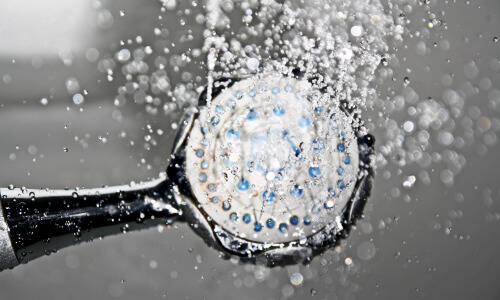
shower headStep 1 – Remove the Shower Head:

Before you start cleaning, it’s essential to remove the shower head. Unscrew it carefully from the shower arm using a wrench or pliers. Be gentle to avoid damaging the connections.


Step 2 – Prepare the Cleaning Solution:

Fill a plastic bag halfway with white vinegar and submerge the shower head in it. Ensure that the faceplate is completely covered. Vinegar’s acidic nature helps dissolve mineral deposits.


Step 3 – Secure the Bag:

Use a rubber band or twist tie to secure the bag around the shower head. Make sure it’s tightly sealed and there are no leaks. Let it soak for at least one to two hours. For stubborn buildup, you can leave it overnight.


Step 4 – Scrub Away Residue:

After soaking, remove the shower head from the vinegar solution. Use an old toothbrush or a pipe cleaner to gently scrub the nozzles and faceplate. This helps dislodge any remaining mineral deposits.


Step 5 – Rinse Thoroughly:

Rinse the shower head thoroughly with water to remove any vinegar residue. Use your fingers to clear away loosened debris and ensure all openings are clean and free-flowing.


Step 6 – Reattach the Shower Head:

Carefully screw the shower head back onto the arm. Use a tool, if necessary, but avoid over tightening to prevent damage.


Step 7 – Polish and Dry:

Wipe the shower head with a soft cloth to remove any water spots and give it a polished look. Ensure it’s completely dry before turning on the water.


Maintenance Tips:

  • Regular Cleaning: Aim to clean your shower head every 1-3 months, depending on the water hardness in your area.
  • Preventive Measures: Installing a water conditioner is a great way to ensure that limescale doesn’t accumulate.
  • Consistent Wiping: After each use, wipe down the bathroom with a cloth to prevent mineral deposits from accumulating.


Conclusion

By following these simple steps and incorporating regular maintenance into your routine, you can enjoy a refreshing shower. Say goodbye to clogged nozzles and uneven water flow – your newly cleaned shower head is ready to provide a rejuvenating shower experience every time. For the best long term results, it’s best to employ preventative measures such as installing a Halcyan Water Conditioner.


If you’d like to find out more about the Halcyan Water Conditioner, you can explore our Knowledge Centre and find out how it works here. You can call our expert team on 0345 504 0656 for more information on how you, your home and your garden can benefit from installing a Halcyan.


Why Choose Halcyan?

Halcyan Water Conditioners is a British company based in Bristol and our alloy-based solution to hard water is unique to the UK. Our alloy-based Water Conditioner is an eco-friendly, people-friendly solution to hard water and ensuring water is flowing freely! With our 30 Year Warranty and our 12 Month Money Back Performance Guarantee, the Halcyan is the perfect ‘fit and forget’ solution!

Learn More

Samantha
September 7, 2023
Soft WaterHealthWater ConditionersHard Water

Hard Water vs. Soft Water: Pros and Cons

When it comes to the water that flows from our taps, there are two main categories: hard water and soft water. Each type has its own set of advantages and disadvantages. In this blog post, we’ll explore the pros and cons of hard water and soft water to help you understand which one might be better suited for your needs.


Hard Water

Pros:

  • Mineral-Rich: Hard water contains a higher concentration of minerals, primarily calcium and magnesium. Some people consider this an advantage, as these minerals are essential for good health. Drinking hard water can contribute to your daily intake of these minerals.
  • Potential Health Benefits: Some studies suggest that drinking hard water might have a protective effect against cardiovascular diseases and certain types of cancer. The minerals in hard water may play a role in these potential health benefits.
  • Enhanced Taste: Many people find that hard water has a more appealing taste compared to soft water, which can taste slightly salty if sodium is added during the softening process.

Cons:

  • Scale Buildup: One of the most significant drawbacks of hard water is the tendency to form scale deposits in pipes, appliances, and fixtures. This can reduce water flow, decrease appliance efficiency, and require more frequent cleaning and maintenance.
  • Soap Scum: Hard water reacts with soap to form soap scum, which can leave residue on dishes, shower screens, and bathroom surfaces. Cleaning can become more challenging and time-consuming.
  • Skin and Hair Issues: Some individuals may experience dry skin and dull, brittle hair when using hard water for bathing and washing. Soap and shampoo may not lather as well in hard water.

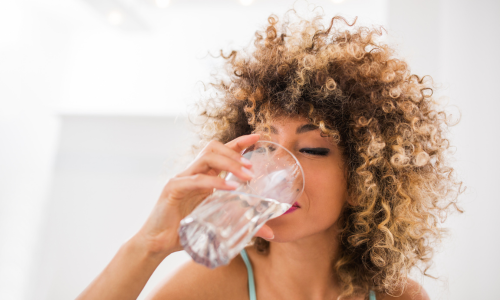
Woman drinking waterSoft Water

Pros:

  • No Scale Buildup: Soft water doesn’t contain the minerals that cause scale buildup, which means your pipes, appliances, and fixtures are less likely to suffer from corrosion or reduced efficiency.
  • Improved Soap Performance: Soap and detergents work more effectively in soft water, leading to better lathering, cleaner clothes, and less soap scum residue on surfaces.
  • Softer Skin and Hair: Soft water can leave your skin feeling softer and your hair shinier because it doesn’t leave behind mineral deposits or interfere with soap’s cleansing action.
  • Energy Efficiency: Using soft water can increase the efficiency of water heaters and other appliances, potentially reducing energy bills.

Cons:

  • Sodium Content: Water softeners replace calcium and magnesium ions with sodium ions. While the amount of sodium added is typically small and considered safe for most people, individuals on sodium-restricted diets should be cautious.
  • Taste Preference: Some individuals may find the taste of soft water less appealing than hard water due to its slightly salty flavour.
  • Mineral Removal: Softening water removes essential minerals, which could be a disadvantage if you rely on your water as a significant source of calcium and magnesium.


So Which Is Best: Hard Water or Soft Water?

Weighing the pros and cons of hard vs. soft water, it seems the ideal solution is if you can achieve the best of both worlds. The Halcyan Water Conditioner works by treating the water as it enters your home. It doesn’t remove any mineral content but your water will behave just as soft water does! With Halcyan, you can enjoy just the pros of both hard and soft water while eliminating the cons!


By installing a Halcyan you can achieve:

  • Mineral-rich, great tasting water with all its potential health benefits
  • Reduction and removal of limescale
  • Potential benefits to skin and hair
  • Increased energy efficiency and appliance lifespan
  • Reduced energy bills
  • Less cleaning!


Conclusion

The choice between hard and soft water depends on your preferences and specific needs. While hard water may have potential health benefits and a better taste for some, soft water’s advantages in preventing scale buildup, improving soap performance, and promoting softer skin and hair make it a popular choice for many households. Ultimately, you can make an informed decision by considering your local water quality, personal preferences, and any health concerns.


If you’d like to find out more about the Halcyan Water Conditioner, you can explore our Knowledge Centre and find out how it works here. You can call our expert team on 0345 504 0656 for more information on whether you have hard water and how you can benefit from installing a Halcyan.


Why choose Halcyan?

Halcyan Water Conditioners is a British company based in Bristol and our alloy-based solution to hard water is unique to the UK. Our alloy-based Water Conditioner is an eco-friendly, people-friendly solution to hard water! If you’re wondering whether hard or soft water is better for you and your home, get in touch with us to see how our Halcyan Water Conditioner can help.

Learn More

Samantha
August 19, 2023
LimescaleHealthWater ConditionersWater Softeners & Water Softening SystemsHard Water

The Hard Truth About Hard Water: Do You Really Need to Filter It?

Water is an essential element of life, and its quality plays a crucial role in our well-being. If you’ve ever noticed mineral deposits on bathroom fixtures or struggled with soap not lathering properly, you might be dealing with hard water. But the question remains: Do you really need to filter hard water? In this blog, we’ll dive into the world of hard water, exploring whether filtering is the right choice for you.


Understanding Hard Water: The Basics

Hard water is a term used to describe water with high mineral content, primarily calcium and magnesium ions. These minerals are picked up as water passes through deposits of limestone and chalk, which are rich in these substances. While hard water is generally safe to drink and use, it can create a series of issues that may prompt homeowners to consider filtration.


The Impact of Hard Water

  • Appliance Lifespan: One of the most notable impacts of hard water is its effect on appliances. As a result, when hard water is heated, it can lead to the formation of mineral deposits, commonly referred to as “scale.” Over time, this scale can accumulate in pipes, water heaters, and other appliances, reducing their efficiency and potentially shortening their lifespan.
  • Reduced Soap Effectiveness: Hard water reacts with soap to form soap scum, which can be a hassle to clean and can leave a residue on your skin and hair. This means you may need more soap or detergent to achieve the same cleaning effect, resulting in increased costs over time.
  • Lathering Issues: Whether it’s washing your hands, doing laundry, or taking a shower, hard water can make it difficult for soap to lather effectively. This can leave you feeling less clean and cause frustration as you attempt to get rid of soap residue.
  • Staining and Spots: Hard water can leave behind mineral stains on dishes, glassware, and fixtures. Additionally, it can contribute to water spots on shower doors, windows, and car exteriors, requiring more frequent cleaning.
  • Skin and Hair Concerns: Some individuals may find that hard water makes their skin feel dry and their hair less manageable. The mineral buildup can interfere with the natural oils present on your skin and scalp.


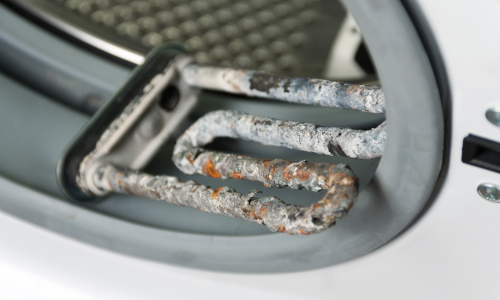
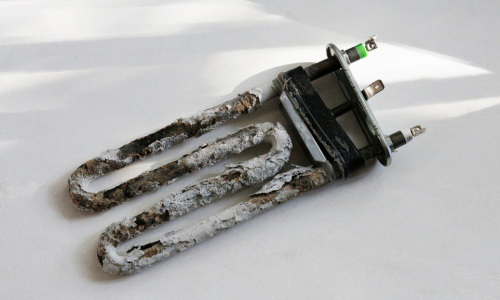
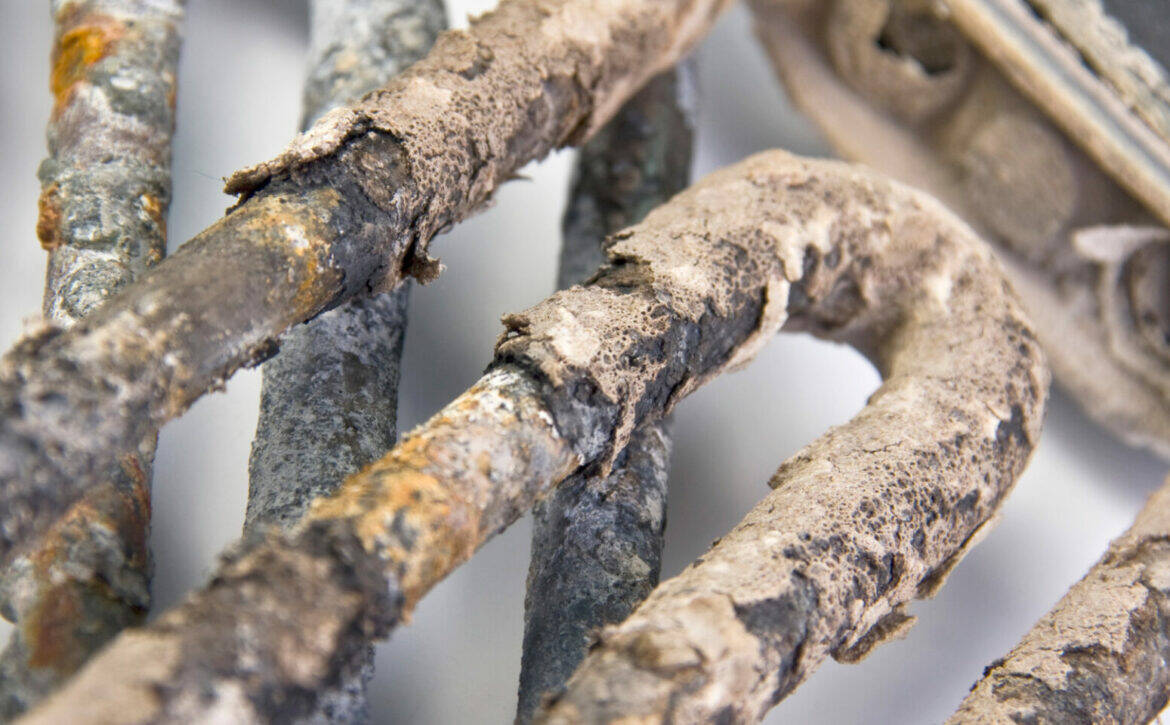
A heating element covered in limescale.

Potential Solutions for Dealing with Hard Water

  • Water Softeners: A popular solution for dealing with hard water is installing a water softener. Water softeners use ion exchange, effectively reducing the mineral content of the water. This can help prevent scale buildup and alleviate many of the issues associated with hard water.
  • Water Conditioners: As a great alternative to water softeners, typically water conditioners don’t require any additional maintenance or salt in order to reduce the impact of hard water. They change the way that hard water behaves in your home, ensuring you get the benefits of soft water.
  • Filtration Systems: Filtration systems designed specifically for hard water can also be effective. These systems may use various methods, such as reverse osmosis or polyphosphate sequestration, to remove or reduce the minerals responsible for hardness.
  • Magnetic or Electronic Devices: Some alternative approaches claim to “soften” water using magnetic or electronic devices. However, the scientific consensus on the effectiveness of these methods is mixed, and they may not provide consistent results.
  • Chemical Additives: Certain chemical additives can bind to minerals in hard water, preventing them from causing scale buildup. While these additives can be useful, they need to be replenished regularly.

Do You Really Need to Filter Hard Water?

The decision to filter hard water ultimately depends on the severity of the issues you’re experiencing and your personal preferences. Here are a few factors to consider:

  • Impact on Appliances: If you’ve noticed scale buildup in your appliances or have experienced decreased efficiency, a water conditioner could extend the lifespan of your appliances.
  • Cleaning Challenges: If you’re tired of scrubbing mineral stains off dishes, fixtures, and shower doors, a filtration system might be worth the investment to simplify your cleaning routine.
  • Skin and Hair Concerns: If you or your family members are experiencing skin dryness, irritation, or hair problems, a water conditioner could improve the overall quality of your daily routines.
  • Environmental Impact: Consider the environmental impact of using a water softener. These systems discharge brine into the wastewater, which can affect local water ecosystems. Research eco-friendly options such as the Halcyan Water Conditioner, if minimising environmental impact is a concern.
  • Budget: Water softeners and filtration systems come with upfront costs, installation fees, and ongoing maintenance expenses. Evaluate your budget and weigh the long-term benefits against the initial investment.


Conclusion

Hard water can cause a range of inconveniences and issues that might prompt you to consider filtration options. Whichever solution you choose, it’s essential to assess the severity of the problems you’re facing, your budget, and your environmental considerations. Ultimately, the choice to filter hard water comes down to your desire for cleaner dishes, longer-lasting appliances, and an improved overall quality of life.


If you’d like to find out more about the Halcyan Water Conditioner, you can explore our Knowledge Centre and find out how it works here. You can call our expert team on 0345 504 0656 for more information on whether you have hard water and how you can benefit from installing a Halcyan.


Why choose Halcyan?

Halcyan Water Conditioners is a British company based in Bristol and our alloy-based solution to hard water is unique to the UK. Our alloy-based Water Conditioner is an eco-friendly, people-friendly solution to hard water! If you’re looking for ways to improve the efficiency of your home, get in touch with us to see how our Halcyan Water Conditioner can help. With our 30 Year Warranty, you can enjoy the benefits of your investment for many years to come!


Learn More

Samantha
August 8, 2023
LimescaleWater ConditionersHard Waterhard water areas

From Installation to Enjoyment: A Comprehensive Guide to the Halcyan Water Conditioner

Are you tired of dealing with the consequences of hard water in your home? You need to consider installing a Halcyan Water Conditioner, a revolutionary solution designed to combat limescale buildup and improve water quality. In this comprehensive guide, we’ll take you through the entire journey of selecting, installing, and enjoying the benefits of a Halcyan Water Conditioner. From understanding the technology behind these devices to the many benefits provided, let’s dive right in!


Understanding the Halcyan Water Conditioner

Halcyan Water Conditioners are a game-changer in the world of water treatment. Unlike traditional water softeners that use salt or chemicals, Halcyan Conditioners rely on a patented alloy to treat water without adding anything harmful. The alloy modifies the structure of dissolved minerals, reducing limescale formation and other issues caused by hard water. This is a simple change to the way water behaves in your home so no minerals are actually removed from the water when you install a Halcyan. This innovative approach makes Halcyan Conditioners not only effective but also an eco-friendly home improvement.


Assessing Your Water Conditioner Needs

Before purchasing a Halcyan Water Conditioner, it’s essential to assess your water quality and the specific issues you want to address. You may already be aware of the presence of hard water in your home as it tends to leave plenty of evidence! But if you’re unaware, you can start by testing your water’s hardness level using a home testing kit or seeking assistance from a professional. Additionally, consider factors such as water consumption, the number of appliances in your home, and your budget. Our short quiz will help you choose the right Halcyan Water Conditioner model for your household.


Selecting the Perfect Halcyan Water Conditioner

Halcyan offers various models to suit different household sizes and situations. Explore our product range to find the best fit for your needs. Got a boat or a motorhome? We’ve got you covered with our ‘Leisure’ model. Teenagers going away to university? Yep – we’ve got one for that too!


Installation Made Easy

Installing a Halcyan Water Conditioner is a straightforward process that can be accomplished by any DIY enthusiast, your usual plumber or an approved installer. The package includes detailed instructions, and you can also find helpful video tutorials on our website. Generally, installation involves attaching the conditioner to your home’s main water supply line. If you prefer professional installation, contact a qualified plumber experienced in working with water conditioners.


Enjoying the Benefits of Halcyan Water Conditioners

Once the Halcyan Water Conditioner is installed, you can begin experiencing the multitude of benefits it offers. Say goodbye to unsightly limescale buildup on taps, showerheads, and appliances. Enjoy the feeling of conditioned water on your skin and hair. Your glassware and dishes will sparkle, and household appliances will operate more efficiently, saving you money on energy bills and repair costs.


Maintaining Your Halcyan Water Conditioner

Fortunately, maintenance is minimal and straightforward. We are proud to be a ‘fit and forget’ solution to hard water. Halcyan Water Conditioners are preferred by many homeowners due to the system’s low maintenance requirements.


Conclusion

In conclusion, Halcyan Water Conditioners are a reliable and eco-friendly solution to combat hard water issues in your home. From installation to enjoying the remarkable benefits, the entire process is smooth and rewarding. By investing in a Halcyan, you’ll protect your appliances, save on maintenance costs, and experience effortlessly conditioned water.


So, why wait any longer? Upgrade your home’s water quality with a Halcyan Water Conditioner and enjoy a lifetime of softened water. Experience the magic of Halcyan and bid farewell to hard water woes!


If you’d like to find out more about the Halcyan Water Conditioner, you can explore our Knowledge Centre and find out how it works here. You can call our expert team on 0345 504 0656 for more information on how to enjoy a limescale-free home, by installing a Halcyan.

Learn More

Samantha
August 1, 2023
LimescaleWater ConditionersHard Water

How To Get Rid of Hard Water Stains: Removal and Prevention.

Hard water is a common issue in many households, usually leaving behind unsightly stains on fixtures, appliances, and surfaces. These stains are caused by the high mineral content present in hard water, especially  calcium and magnesium. While hard water stains can be frustrating, the good news is that there are effective ways to remove them and prevent their recurrence. In this blog post, we will explore some practical methods to tackle hard water stains and provide tips to keep your home looking clean and sparkling.


Understanding Hard Water Stains

Before we dive into the removal techniques, it’s essential to understand what hard water stains are and how they form. Where any appliance uses water, it’s inevitable there will be some splashing over different surfaces. When hard water evaporates, the minerals it contains are left behind as residue. Over time, this residue accumulates on surfaces, subsequently resulting in the formation of stubborn stains. Common areas where these stains appear include taps, showerheads, sinks, toilets, glass shower doors, and even kitchen appliances like coffee makers and kettles. Although you may regularly see the stains left from hard water evaporating, it’s important to remember that much of the damage done by hard water is often hidden from view.


Removing hard water stains from a shower screen


Removing Hard Water Stains

Vinegar Solution:

  • Mix equal parts white vinegar and water in a spray bottle.
  • Spray the solution onto the stained surface and let it sit for a few minutes.
  • Scrub the stain using a soft brush or cloth.
  • Rinse the area thoroughly with water and wipe it dry.


Lemon Juice:

  • Cut a lemon in half and rub it directly on the stain.
  • Let the lemon juice sit on the stain for a few minutes.
  • Use a sponge or cloth to scrub the area gently.
  • Rinse with water and wipe dry.


Bicarbonate of Soda Paste:

  • Make a paste by mixing baking soda with water.
  • Apply the paste to the stained surface and let it sit for about 15 minutes.
  • Scrub the area with a brush or sponge.
  • Rinse well with water and dry the surface.


Preventing Hard Water Stains

Regular Cleaning:

  • Wipe down surfaces prone to hard water stains regularly to prevent mineral buildup.
  • Use a microfiber cloth or a squeegee after every use to remove excess water from glass shower doors, taps, and countertops.


Water Conditioner:

  • Install a Halcyan Water Conditioner to treat hard water before it enters your home’s plumbing system. This can help prevent the formation of mineral deposits while simultaneously removing existing limescale over time.


Protective Coatings:

  • Apply a protective coating or sealant on surfaces such as glass shower doors and bathroom tiles to create a barrier against mineral deposits. Although this may protect your home, mineral deposits may still form on the protective coating.


Vinegar Rinse:

  • After cleaning, rinse glassware, showerheads, and taps with a vinegar-water solution to remove any remaining mineral residue.


Conclusion

Hard water stains can be stubborn, but with the right techniques and preventive measures, you can keep your home free from these unsightly blemishes. Remember to tackle stains promptly and establish a regular cleaning routine to prevent their recurrence. By implementing these tips, you can enjoy a cleaner and more visually appealing home, free from the frustrations of hard water stains.


While there are many methods of removing and preventing hard water stains in your home, in reality it can be a time-consuming and often futile task. That’s why the Halcyan Water Conditioner is the perfect overall solution to hard water stains!


If you’d like to find out more about the Halcyan Water Conditioner, you can explore our Knowledge Centre and find out how it works here. You can call our expert team on 0345 504 0656 for more information on how you can keep your home sparkling clean, by installing a Halcyan.


Why choose Halcyan?

Halcyan Water Conditioners is a British company based in Bristol and our alloy-based solution to hard water is unique to the UK. As leaders in our industry, our mission is to help our customers reduce the impact of hard water on their homes, saving money, saving energy and saving the planet with our eco-friendly, people-friendly water conditioners. We take huge pride in our customer satisfaction and consequently our testimonials speak for themselves. With our 30 Year Warranty and our 12 Month Money Back Performance Guarantee, you can say goodbye to hard water stains for good!

Learn More

Samantha
July 10, 2023
LimescaleWater ConditionersWater Softeners & Water Softening SystemsHard Water

Is a Water Conditioner Better than a Water Softener? A Comprehensive Comparison

Water quality is an essential aspect of our daily lives, impacting everything from our health to the longevity of our appliances. In the UK, many households struggle with hard water, which contains high levels of minerals like calcium and magnesium. The solution? Water treatment systems such as water softeners and water conditioners. But which one is better? Let’s delve into this topic and find out which is the best water conditioner for you.


Understanding Hard Water Problems

Before we compare water conditioners and softeners, it’s crucial to understand why hard water can be problematic. Hard water can lead to scale build-up in your pipes and appliances, reducing their efficiency and lifespan. It’s also believed to affect your skin and hair health, making them dry and dull.


Moreover, hard water can make cleaning tasks more challenging as it doesn’t lather well with soap or detergent. These issues have led many homeowners to seek solutions like water softeners or conditioners.


The Water Softener: A Traditional Solution

Water softeners have been around for decades, providing a time-tested solution for hard water problems. They typically work by replacing the calcium and magnesium ions in hard water with sodium ions through a process called ion exchange.


This process effectively reduces the hardness level of your water, preventing scale build-up in your pipes and appliances. It also improves lathering with soap, leading to better cleaning results.


However, there are some drawbacks to using a traditional water softener. For one, they require regular maintenance including salt refills and system cleanings. Additionally, they increase sodium content in your household’s wastewater which may not be environmentally friendly. In our previous blogs, we discuss some of the issues with traditionally softened water, such as watering the garden and the need to install a separate drinking water tap.


The Water Conditioner: A Modern Alternative

In contrast to traditional softeners, water conditioners are a newer technology designed to tackle hard water problems without adding sodium to your household’s wastewater stream. Instead of removing calcium and magnesium ions from the hard water like softeners do; conditioners alter these minerals’ behaviour so they don’t stick to surfaces – effectively preventing scale build-up.


One significant advantage of using a conditioner over a softener is that it requires less maintenance since there’s no need for salt refills or regular maintenance. Furthermore, because it doesn’t add sodium to your wastewater stream, it’s considered much more eco-friendly than traditional softeners.


So is a Water Softener or Water Conditioner Better?

The answer depends on what you value most in a hard-water treatment system. If you want an established solution that guarantees softer water and you don’t mind regular maintenance or increased sodium content in your wastewater; then a traditional softener might be right for you.


On the other hand; if you prefer an eco-friendly option that requires less maintenance but still effectively prevents scale build-up; then consider investing in one of the most sustainable water conditioner UK options available on the market today. The Halcyan Water Conditioner is an easy ‘fit and forget’ solution to hard water that ensures your home is protected for decades to come.


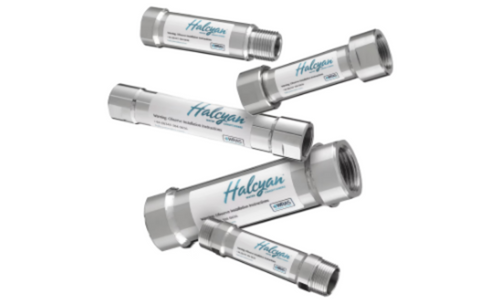
Halcyan Water Conditioner


Final Thoughts

In conclusion; both systems have their pros and cons when dealing with hard-water problems at home. Your choice between a conditioner or softener should depend on your specific needs; preferences; budget; as well as environmental considerations.


Remember that while both systems can help prevent scale build-up in pipes and appliances; only modern conditioners will ensure a maintenance-free solution that is also good for the environment – something worth considering if this is important for you.


Regardless of which system you choose; remember that improving your home’s water quality is an investment not just for preserving your appliances’ lifespan but also for enhancing you and your family’s overall wellbeing and happiness.


If you’d like to find out more about the Halcyan Water Conditioner, you can explore our Knowledge Centre and find out how it works here. You can call our expert team on 0345 504 0656 for more information on whether you have hard water and how you can benefit from installing a Halcyan.


Why choose Halcyan?

Halcyan Water Conditioners is a British company based in Bristol and our alloy-based solution to hard water is unique to the UK. Unlike water softeners, our alloy-based Water Conditioner is an eco-friendly, people-friendly solution to hard water. With our 30 Year Warranty and our 12 Month Money Back Performance Guarantee, you protect your home now and into the future with Halcyan.

Learn More

Samantha
  • 1
  • 2
  • 3
  • …
  • 6
Categories
  • Cleaning
  • Soft Water
  • Limescale
  • Construction
  • Energy
  • News & Events
  • Magnetic
  • Health
  • Uncategorized
  • Carbon
  • Water Conditioners
  • Water Softeners & Water Softening Systems
  • Charities
  • Sustainability and the Environment
  • Hard Water
  • Cost
  • hard water areas
The Halcyan
Which Size Is Right For You
The System Explained
How To Install
Contact Us
Why Us
About Us
Testimonials
Clients & Partners
Useful Links
FAQ's
Shop
Policies
14 Day Cancellation Policy
Privacy Policy
Warranty & Guarantee
Newpay FAQ
Halcyan water conditioners logo

Eco-loving, people friendly, the Intelligent Solution you’ve been looking for to your hard water, limescale problem.

We improve our products and advertising by using Microsoft Clarity to see how you use our website. By using our site, you agree that we and Microsoft can collect and use this data.

We improve our products and advertising by using Microsoft Clarity to see how you use our website. By using our site, you agree that we and Microsoft can collect and use this data.We improve our products and advertising by using Microsoft Clarity to see how you use our website. By using our site, you agree that we and Microsoft can collect and use this data.We improve our products and advertising by using Microsoft Clarity to see how you use our website. By using our site, you agree that we and Microsoft can collect and use this data.Halcyan Ltd is an Introducer Appointed Representative of Pay4Later Limited, trading as Deko, which is authorised and regulated by the Financial Conduct Authority (FRN 728646). Deko is a credit broker, not a lender and does not charge you for credit broking services. We will introduce you exclusively to Newpay finance products provided by NewDay Limited under this Introducer Appointed Representative arrangement. Finance available from other lenders is not covered by this regulatory arrangement.We improve our products and advertising by using Microsoft Clarity to see how you use our website. By using our site, you agree that we and Microsoft can collect and use this data.

Copyright © Halcyan Water Conditioners SA. Powered by Tomorrow Media.

#softlab_button_6a2910dd7ed3c .wgl_button_link { color: rgba(255,255,255,1); }#softlab_button_6a2910dd7ed3c .wgl_button_link:hover { color: rgba(0,101,128,1); }#softlab_button_6a2910dd7ed3c .wgl_button_link { border-color: rgba(0,101,128,1); background-color: rgba(0,101,128,1); }#softlab_button_6a2910dd7ed3c .wgl_button_link:hover { border-color: rgba(0,101,128,1); background-color: rgba(255,255,255,1); }#softlab_button_6a2910dd82617 .wgl_button_link { color: rgba(255,255,255,1); }#softlab_button_6a2910dd82617 .wgl_button_link:hover { color: rgba(255,255,255,1); }#softlab_button_6a2910dd82617 .wgl_button_link { border-color: rgba(124,82,156,1); background-color: rgba(193,39,45,1); }#softlab_button_6a2910dd82617 .wgl_button_link:hover { border-color: rgba(124,82,156,1); background-color: rgba(193,39,45,1); }#softlab_button_6a2910dd8e97b .wgl_button_link { color: rgba(255,255,255,1); }#softlab_button_6a2910dd8e97b .wgl_button_link:hover { color: rgba(0,101,128,1); }#softlab_button_6a2910dd8e97b .wgl_button_link { border-color: rgba(0,101,128,1); background-color: rgba(0,101,128,1); }#softlab_button_6a2910dd8e97b .wgl_button_link:hover { border-color: rgba(0,101,128,1); background-color: rgba(255,255,255,1); }#softlab_button_6a2910dd92bd7 .wgl_button_link { color: rgba(255,255,255,1); }#softlab_button_6a2910dd92bd7 .wgl_button_link:hover { color: rgba(255,255,255,1); }#softlab_button_6a2910dd92bd7 .wgl_button_link { border-color: rgba(124,82,156,1); background-color: rgba(193,39,45,1); }#softlab_button_6a2910dd92bd7 .wgl_button_link:hover { border-color: rgba(124,82,156,1); background-color: rgba(193,39,45,1); }@media only screen and (max-width: 768px){ #softlab_spacer_6a2910ddb8af4 .spacing_size{ display: none; } #softlab_spacer_6a2910ddb8af4 .spacing_size-tablet{ display: block; } }#softlab_soc_icon_wrap_6a2910ddbcdc2 a{ background: #ffffff; border-color: #ffffff; }#softlab_soc_icon_wrap_6a2910ddbcdc2 a:hover{ background: #ffffff; border-color: #84dade; }