
Halcyan water conditioners logo
  • Home
  • Halcyan Explained
    • How It Works
    • Which Size Is Right For You?
    • How To Install The Halcyan
  • Why Us
    • The Halcyan Story
    • Testimonials
    • Clients & Partners
  • Advice Hub
    • Energy & CO2 Saving Opportunities
    • Blog
  • FAQ’s
  • Commercial
  • Contact

No products in the basket.

Visit the Shop
Call Us
Halcyan water conditioners logo
  • Home
  • Halcyan Explained
    • How It Works
    • Which Size Is Right For You?
    • How To Install The Halcyan
  • Why Us
    • The Halcyan Story
    • Testimonials
    • Clients & Partners
  • Advice Hub
    • Energy & CO2 Saving Opportunities
    • Blog
  • FAQ’s
  • Commercial
  • Contact

No products in the basket.

Visit the Shop
Call Us
Halcyan Water Conditioners logo in white
Shop
Call Us

No products in the basket.

  • Home
  • Halcyan Explained
    • How It Works
    • Which Size Is Right For You?
    • How To Install The Halcyan
  • Why Us
    • The Halcyan Story
    • Testimonials
    • Clients & Partners
  • Advice Hub
    • Energy & CO2 Saving Opportunities
    • Blog
  • FAQ’s
  • Commercial
  • Contact
  • Home
  • Halcyan Explained
    • How It Works
    • Which Size Is Right For You?
    • How To Install The Halcyan
  • Why Us
    • The Halcyan Story
    • Testimonials
    • Clients & Partners
  • Advice Hub
    • Energy & CO2 Saving Opportunities
    • Blog
  • FAQ’s
  • Commercial
  • Contact

Category: Cleaning

November 28, 2023
Cleaning

Can You Use Tap Water in a Steam Iron?

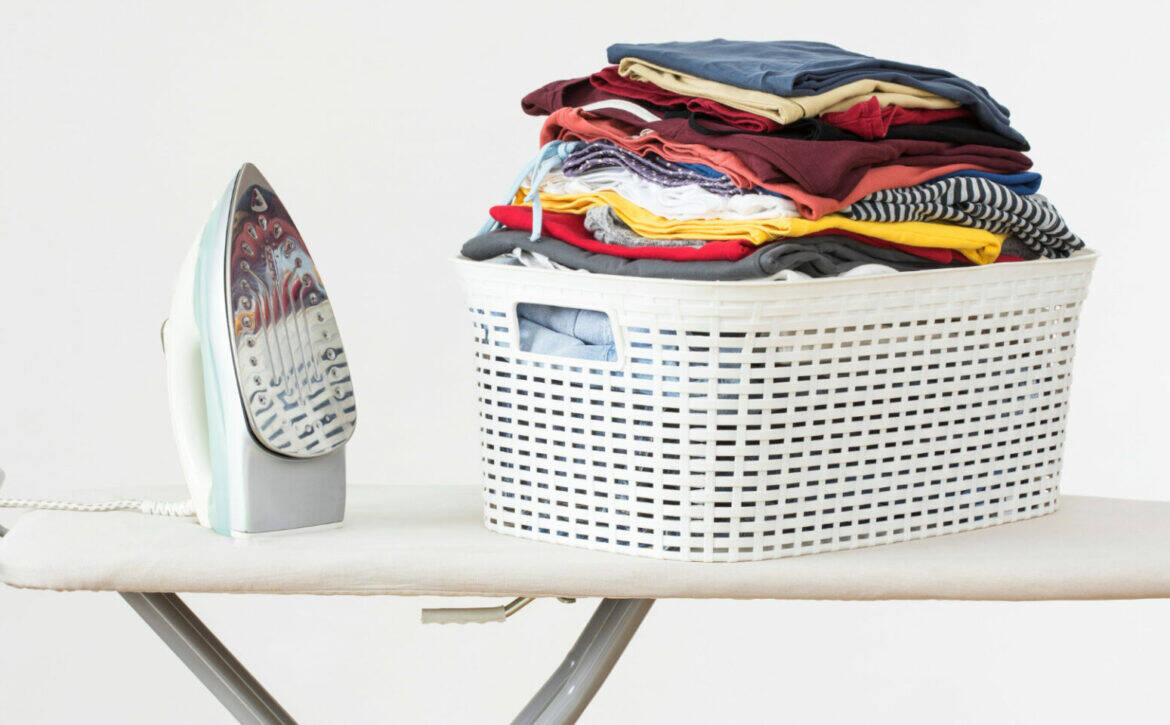
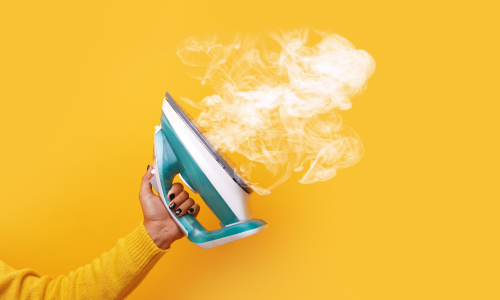
It’s that time of the week again, the washing basket is stacked high with things to iron and you forgot to put deionised water on the shopping list. Ironing is a household chore that often requires little thought – until it comes to choosing the right water for your iron. Many opt for the convenience of tap water, but in the UK, where 60% of the population lives in hard water areas, this seemingly harmless choice can have consequences. So is tap water safe for irons? Let’s explore the impact of tap water on irons, and also the drawbacks of using deionised water, and discover a smart solution offered by Halcyan Water Conditioners.


Tap Water and the Hard Water Dilemma

Tap water is a readily available choice for filling your iron, but its composition can vary significantly depending on your location. In the UK, a majority of residents grapple with hard water, characterised by a high mineral content, predominantly calcium and magnesium. While harmless for consumption, these minerals can wreak havoc on your iron and clothes.


Hard Water and Limescale

One of the primary issues with using tap water in irons is the formation of limescale deposits. As hard water is heated in the iron’s chamber, the minerals accumulate on internal components. Over time, this buildup can clog the iron’s steam vents and heating element, reducing its efficiency and shortening its lifespan. Moreover, the presence of limescale in the steam can leave stubborn marks on clothing, presenting an additional concern.


The UK’s Hard Water Predicament

In the UK, navigating the hard water predicament becomes crucial due to the prevalence of these mineral-rich waters. Residents must consider alternative options to mitigate the adverse effects of hard water on their irons, safeguarding both their appliances and their favourite clothes.

is tap water safe for irons

The Deionised Water Dilemma

In response to the challenges posed by hard water, some individuals turn to deionised water as an alternative. Deionised water goes through a process of ion exchange, where the minerals responsible for the formation of limescale are replaced and you are left with purified water. While it may seem like an ideal solution, there are drawbacks to consider.

Aggressive Nature of Deionised Water

Deionised water, though lacking the minerals found in tap water, is not the perfect choice for irons. Its use can lead to corrosion of internal components over time. This corrosion may result in damage to the iron’s heating element and other crucial parts, compromising its functionality and longevity. Many manufacturers recommend the use of a 50:50 ratio for tap water and deionised water to attempt to balance out the issue.

Cost and Environmental Impact

Additionally, the ongoing cost of purchasing deionised water and the environmental impact of producing and disposing of plastic bottles may deter environmentally conscious consumers from choosing this option.


Halcyan Water Conditioners: A Smart Solution

Amidst the challenges posed by tap water and so-called ‘iron-friendly’ alternatives, there emerges a smart and effective solution – Halcyan Water Conditioners.

Understanding Halcyan Technology

Halcyan devices utilise advanced technology to treat water at its source. By employing a unique blended alloy, Halcyan’s internal structure of turbulence-producing fins and gateways alter the behaviour of minerals in the water, reducing the formation of limescale deposits. In short, nothing is added or taken away. The conditioned water that comes out of your taps not only benefits your iron but also extends to other household appliances and plumbing fixtures, providing a holistic solution to the problems associated with hard water.

The Benefits of Halcyan for Ironing

For those hesitant to abandon tap water for ironing, Halcyan offers a game-changing solution. Installing a Halcyan Water Conditioner ensures that you can confidently use ordinary tap water in your iron without the fear of limescale buildup. The reduction of limescale deposits not only prolongs the life of your iron but also eliminates the risk of unsightly marks on your clothes, providing a seamless and worry-free ironing experience.


Conclusion

In the quest for the ideal water for your iron, tap water and deionised water present their own challenges. However, Halcyan Water Conditioners emerge as a smart and practical solution, allowing you to embrace the convenience of tap water without compromising the performance and longevity of your iron. Make an informed choice for your household, prioritise the health of your appliances and the longevity of your clothes – choose Halcyan for a simplified and efficient ironing routine.


If you’d like to find out more about the Halcyan Water Conditioner, you can explore our Knowledge Centre and find out how it works here. You can call our expert team on 0345 504 0656 for more information on how you, your home and your garden can benefit from installing a Halcyan.

Why Choose Halcyan?

Halcyan Water Conditioners is a British company based in Bristol and our alloy-based solution to hard water is unique to the UK. Our Water Conditioner is an eco-friendly, people-friendly solution to hard water and the perfect alternative to buying litres and litres of deionised water for your iron! With our 30 Year Warranty and our 12 Month Money Back Performance Guarantee, the Halcyan is the perfect ‘fit and forget’ solution!

Learn More

Samantha
October 20, 2023
CleaningLimescaleHard Water

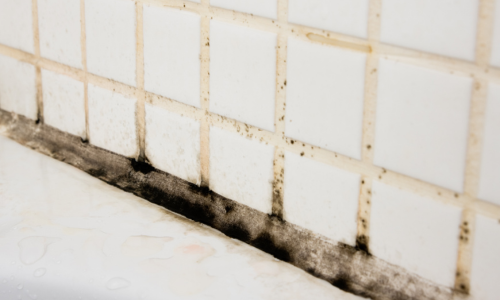
Understanding the Grime on Grout: What Causes Build-Up and How to Deal with It

Grout, the mortar-like substance that fills the spaces between tiles, plays a crucial role in the aesthetics and durability of your tiled surfaces. However, it’s also a magnet for dirt, grime, and unsightly build-up. If you’ve ever wondered what causes these stubborn deposits on your grout lines, this blog is here to shed light on the culprits and provide some practical tips on how to deal with them effectively.


The Dirty Grout Culprits:

  1. Mould and Mildew: Moisture-rich environments, such as bathrooms and kitchens, are prime breeding grounds for mould and mildew. When spores find their way into the grout and encounter moisture, they can grow rapidly, leading to the formation of dark, unattractive stains.
  2. Hard Water Deposits: In areas with hard water, the minerals (usually calcium and magnesium) present in the water can accumulate on your grout lines as the water evaporates. This leads to the formation of white, chalky deposits that are notoriously difficult to remove.
  3. Soap Scum: In the shower or around sinks, soap and shampoo residue can build up over time. When mixed with minerals from hard water, it can form a sticky, soap scum layer that adheres to grout.
  4. Dirt and Grime: Over time, the natural accumulation of dust, dirt, and oils can settle into the porous surface of grout, making it appear darker and more challenging to clean.
  5. Food and Beverage Spills: In kitchen areas, accidental spills of food and beverages can lead to staining and residue build-up on grout lines.


how to clean dirty grout


Dealing with Dirty Grout:

  1. Regular Cleaning: The most effective way to prevent build-up on grout is to clean it regularly. Routine maintenance can go a long way in preventing mould, hard water deposits, and other contaminants from taking hold.
  2. Proper Ventilation: Proper ventilation in bathrooms and kitchens can help reduce moisture levels, discouraging mould and mildew growth.
  3. Seal Your Grout: Applying a quality grout sealer creates a protective barrier, making it more difficult for contaminants to penetrate the grout and take root.
  4. Use the Right Cleaning Products: Select cleaning products that are appropriate for grout cleaning. There are specific grout cleaners available that are formulated to tackle mould, hard water stains, and other grime.
  5. Scrub Gently: When cleaning grout, use a soft-bristle brush to scrub the surface gently. Avoid using abrasive tools that can damage the grout.
  6. Professional Cleaning: If grout build-up is severe or has become a persistent issue, consider professional grout cleaning or regrouting services to restore the surface to its original glory.


Can Dirty Grout be Prevented?

If cleaning your grout seems like an endless game of whack-a-mole then it’s time to start looking for a more permanent solution. A Halcyan Water Conditioner can be a valuable addition to your home for preventing limescale build-up and maintaining cleaner grout:


  1. The Halcyan Reduces Mineral Deposits: Halcyan Water Conditioners are designed to alter the behaviour of mineral ions in your water, making them less prone to forming limescale deposits. When water evaporates on your grout lines, the treated water is less likely to leave behind calcium and magnesium deposits, reducing the formation of hard water stains and build-up on your grout.
  2. Long Term Prevention: Halcyan Water Conditioners provide a continuous and long-term solution for preventing limescale. By reducing the build-up of hard water deposits and accumulation of soap scum, these conditioners help keep your grout cleaner over time.
  3. Easier Cleaning: With less limescale forming on your grout, cleaning becomes more manageable and less frequent. You’ll spend less time scrubbing grout lines and more time enjoying your clean and attractive tiled surfaces.
  4. Extending the Lifespan of Tile and Grout: By preventing limescale and mineral deposits, a Halcyan Water Conditioner can also extend the lifespan of your grout and the tiles themselves. Prolonged exposure to mineral deposits can weaken grout, making it more susceptible to dirt and staining.
  5. Environmental Benefits: Halcyan Water Conditioners are eco-friendly and do not rely on the use of salt or chemicals like traditional water softeners. This makes them a more sustainable and environmentally responsible choice.


Halcyan


Conclusion

Understanding what causes build-up on grout is the first step in effective maintenance. With proper care and cleaning techniques, you can keep your grout lines looking clean and fresh, enhancing the beauty and longevity of your tiled surfaces. Don’t let grout grime get the best of your bathroom or kitchen—take action to prevent and remove it for a brighter and more attractive space.


If you’d like to find out more about the Halcyan Water Conditioner, you can explore our Knowledge Centre and find out how it works here. You can call our expert team on 0345 504 0656 for more information on how you, your home and your garden can benefit from installing a Halcyan.


Why Choose Halcyan?

Halcyan Water Conditioners is a British company based in Bristol and our alloy-based solution to hard water is unique to the UK. Our alloy-based Water Conditioner is an eco-friendly, people-friendly solution to hard water and keeping your grout woes at bay! With our 30 Year Warranty and our 12 Month Money Back Performance Guarantee, the Halcyan is the perfect ‘fit and forget’ solution!

Learn More

Samantha
October 13, 2023
LimescaleCleaningHard Water

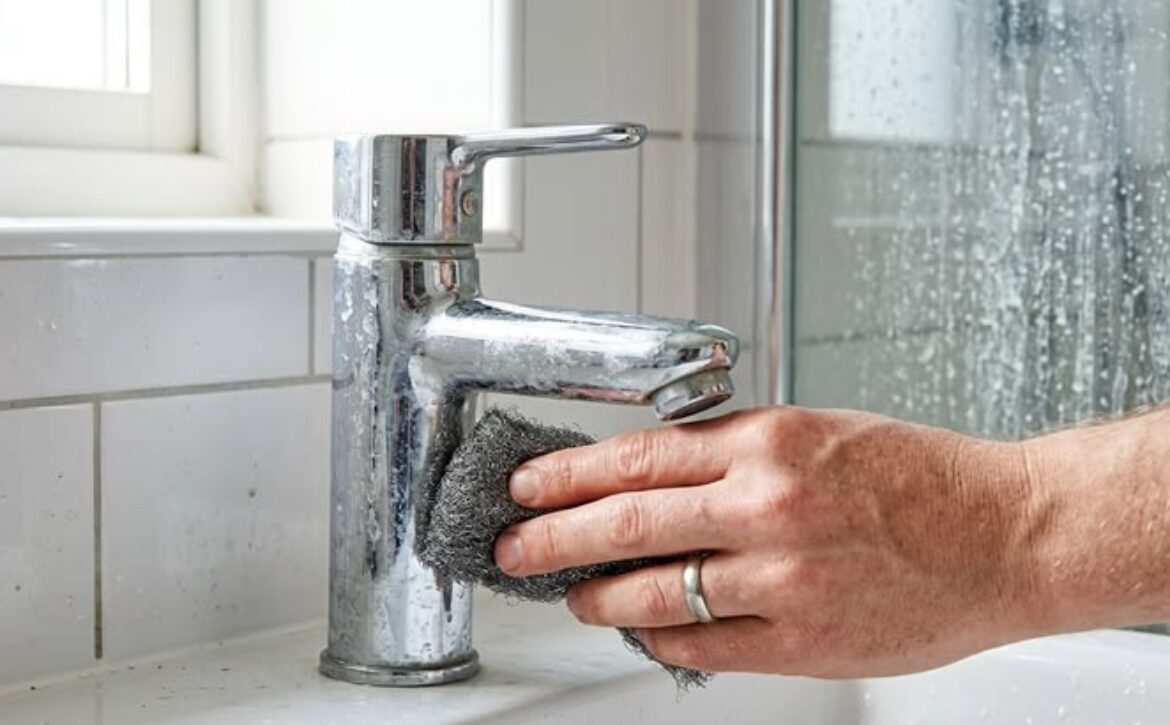
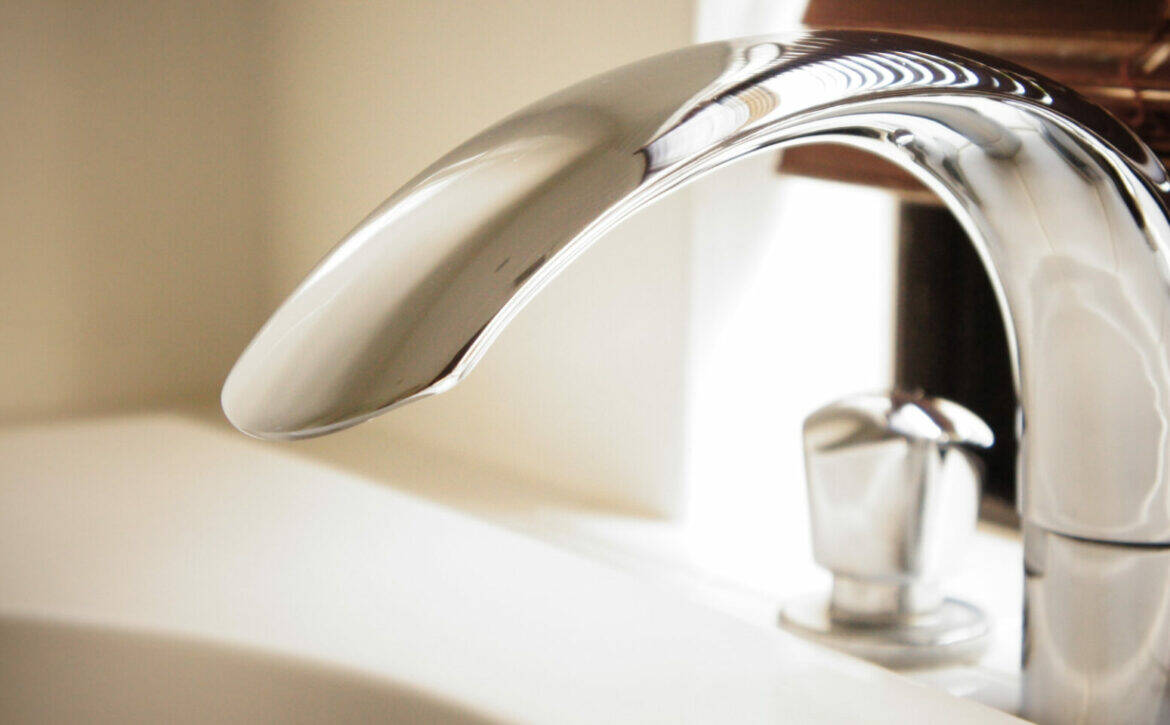
Get Your Shine Back: How to Clean Limescale Off Stainless Steel

Stainless steel is a popular choice for kitchen appliances, sinks, and fixtures due to its sleek and modern look. However, one downside is that it can develop limescale deposits over time, especially in areas with hard water. These mineral deposits can make your stainless steel items appear dull and unsightly. But fear not, for in this blog, we’ll explore effective methods to clean limescale off stainless steel and restore its shine.


Why Limescale Forms on Stainless Steel

Limescale is primarily composed of calcium and magnesium deposits from hard water. When water with a high mineral content evaporates on stainless steel surfaces, it leaves behind these mineral residues, resulting in the tell-tale cloudy or chalky build-up.


Materials You’ll Need:

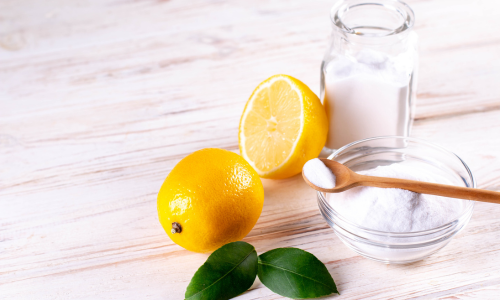
  • White vinegar or lemon juice
  • Baking soda
  • Soft cloths or sponges
  • A microfiber cloth
  • A bowl or spray bottle

how to get limescale off stainless steel


Cleaning Methods:

Method 1: Vinegar or Lemon Juice Soak

Prepare a Vinegar or Lemon Juice Solution:

  • In a bowl or spray bottle, mix equal parts white vinegar or lemon juice and water. If you have a severe limescale problem, you can use the undiluted solution.

Apply the Solution:

  • Spray or soak a soft cloth or sponge in the solution, and then place it on the limescale-affected area.

Allow Soaking:

  • Let the cloth or sponge sit on the limescale for about 10-15 minutes. This gives the acid time to break down the mineral deposits.

Gently Scrub:

  • After soaking, use the cloth or sponge to gently scrub the limescale. The deposits should start coming off. If necessary, repeat this process.

Rinse and Dry:

  • Rinse the stainless steel with water to remove any residue. Dry it thoroughly with a clean, dry microfiber cloth to prevent new water spots.


Method 2: Bicarbonate of Soda Paste

Make a Bicarbonate of Paste:

  • Mix bicarbonate of soda with a small amount of water to form a thick, spreadable paste.

Apply the Paste:

  • Apply the bicarbonate of soda paste to the limescale-affected areas. Ensure you cover the deposits evenly.

Let It Sit:

  • Allow the paste to sit for about 15 minutes.

Gentle Scrubbing:

  • Use a soft cloth or sponge to gently scrub the paste on the stainless steel. The bicarbonate of soda will help lift the limescale.

Rinse and Dry:

  • Rinse the stainless steel with water and wipe it dry with a clean, dry microfiber cloth.


Method 2: Prevention

  • Wipe down stainless steel surfaces regularly to prevent limescale build-up.
  • Apply a stainless steel polish or protective spray to help prevent future limescale and maintain a shine.


Is There a Better Way to Remove Limescale?

Thankfully yes! An innovative solution to consider for limescale prevention is a Halcyan Water Conditioner. The Halcyan uses a unique physical water treatment method that doesn’t involve chemicals, salt, or electricity. Instead, it relies on the principles of fluid dynamics to alter the structure and behaviour of mineral ions in the water.

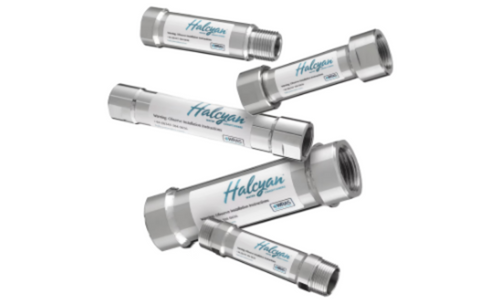
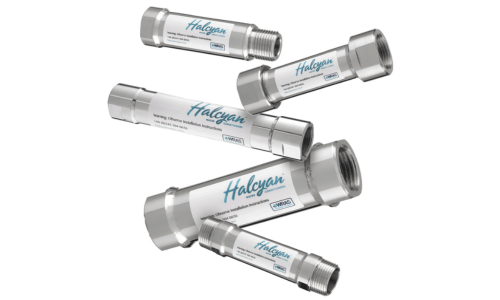
Halcyan Water ConditionerThese altered ions are less prone to forming limescale deposits on surfaces, appliances, and plumbing fixtures. Instead of accumulating as solid deposits, they tend to remain in suspension in the water, reducing the risk of limescale build-up. The best news? The Halcyan Water Conditioner will also remove existing limescale from your home over time!

 

Conclusion

Cleaning limescale off stainless steel can be accomplished using simple household items like vinegar, lemon juice, and bicarbonate of soda. Regular maintenance and prevention measures can also help keep your stainless steel looking its best. Preventing limescale with a Halcyan Water Conditioner is a proactive and eco-friendly approach to maintaining your home’s plumbing and appliances. The Halcyan Water Conditioner offers a preventive solution that reduces limescale formation from the start, saving you time, effort, and money while ensuring a more efficient and sustainable home. Consider it as an investment in the long-term health and performance of your household water systems.


If you’d like to find out more about the Halcyan Water Conditioner, you can explore our Knowledge Centre and find out how it works here. You can call our expert team on 0345 504 0656 for more information on the effects of hard water on stainless steel and how you can benefit from installing a Halcyan.


Why choose Halcyan?

Halcyan Water Conditioners is a British company based in Bristol and our alloy-based solution to hard water is unique to the UK. Our Water Conditioner is an eco-friendly, people-friendly solution to hard water! If you’re fed up with limescale dulling your shine and believe you’ve tried every method to remove it, get in touch with us to see how our Halcyan Water Conditioner can help.

Learn More

Samantha
October 4, 2023
LimescaleCleaningHard Water

The Ultimate Guide to Cleaning Your Shower Head: Say Goodbye to Grime!

A refreshing shower is the perfect way to start or end your day, but over time, shower heads can accumulate mineral deposits and grime, affecting water flow and quality. Regular cleaning not only ensures a more pleasant bathing experience but also extends the life of your fixings. In this comprehensive guide, we’ll walk you through the step-by-step process of cleaning your shower head effectively.


Materials You’ll Need:

  • White vinegar
  • Water
  • Plastic bag
  • Rubber band or twist tie
  • Old toothbrush
  • Soft cloth
  • Pipe cleaner (optional)

shower headStep 1 – Remove the Shower Head:

Before you start cleaning, it’s essential to remove the shower head. Unscrew it carefully from the shower arm using a wrench or pliers. Be gentle to avoid damaging the connections.


Step 2 – Prepare the Cleaning Solution:

Fill a plastic bag halfway with white vinegar and submerge the shower head in it. Ensure that the faceplate is completely covered. Vinegar’s acidic nature helps dissolve mineral deposits.


Step 3 – Secure the Bag:

Use a rubber band or twist tie to secure the bag around the shower head. Make sure it’s tightly sealed and there are no leaks. Let it soak for at least one to two hours. For stubborn buildup, you can leave it overnight.


Step 4 – Scrub Away Residue:

After soaking, remove the shower head from the vinegar solution. Use an old toothbrush or a pipe cleaner to gently scrub the nozzles and faceplate. This helps dislodge any remaining mineral deposits.


Step 5 – Rinse Thoroughly:

Rinse the shower head thoroughly with water to remove any vinegar residue. Use your fingers to clear away loosened debris and ensure all openings are clean and free-flowing.


Step 6 – Reattach the Shower Head:

Carefully screw the shower head back onto the arm. Use a tool, if necessary, but avoid over tightening to prevent damage.


Step 7 – Polish and Dry:

Wipe the shower head with a soft cloth to remove any water spots and give it a polished look. Ensure it’s completely dry before turning on the water.


Maintenance Tips:

  • Regular Cleaning: Aim to clean your shower head every 1-3 months, depending on the water hardness in your area.
  • Preventive Measures: Installing a water conditioner is a great way to ensure that limescale doesn’t accumulate.
  • Consistent Wiping: After each use, wipe down the bathroom with a cloth to prevent mineral deposits from accumulating.


Conclusion

By following these simple steps and incorporating regular maintenance into your routine, you can enjoy a refreshing shower. Say goodbye to clogged nozzles and uneven water flow – your newly cleaned shower head is ready to provide a rejuvenating shower experience every time. For the best long term results, it’s best to employ preventative measures such as installing a Halcyan Water Conditioner.


If you’d like to find out more about the Halcyan Water Conditioner, you can explore our Knowledge Centre and find out how it works here. You can call our expert team on 0345 504 0656 for more information on how you, your home and your garden can benefit from installing a Halcyan.


Why Choose Halcyan?

Halcyan Water Conditioners is a British company based in Bristol and our alloy-based solution to hard water is unique to the UK. Our alloy-based Water Conditioner is an eco-friendly, people-friendly solution to hard water and ensuring water is flowing freely! With our 30 Year Warranty and our 12 Month Money Back Performance Guarantee, the Halcyan is the perfect ‘fit and forget’ solution!

Learn More

Samantha
Categories
  • Cleaning
  • Soft Water
  • Limescale
  • Construction
  • Energy
  • News & Events
  • Magnetic
  • Health
  • Uncategorized
  • Carbon
  • Water Conditioners
  • Water Softeners & Water Softening Systems
  • Charities
  • Sustainability and the Environment
  • Hard Water
  • Cost
  • hard water areas
The Halcyan
Which Size Is Right For You
The System Explained
How To Install
Contact Us
Why Us
About Us
Testimonials
Clients & Partners
Useful Links
FAQ's
Shop
Policies
14 Day Cancellation Policy
Privacy Policy
Warranty & Guarantee
Newpay FAQ
Halcyan water conditioners logo

Eco-loving, people friendly, the Intelligent Solution you’ve been looking for to your hard water, limescale problem.

We improve our products and advertising by using Microsoft Clarity to see how you use our website. By using our site, you agree that we and Microsoft can collect and use this data.

We improve our products and advertising by using Microsoft Clarity to see how you use our website. By using our site, you agree that we and Microsoft can collect and use this data.We improve our products and advertising by using Microsoft Clarity to see how you use our website. By using our site, you agree that we and Microsoft can collect and use this data.We improve our products and advertising by using Microsoft Clarity to see how you use our website. By using our site, you agree that we and Microsoft can collect and use this data.Halcyan Ltd is an Introducer Appointed Representative of Pay4Later Limited, trading as Deko, which is authorised and regulated by the Financial Conduct Authority (FRN 728646). Deko is a credit broker, not a lender and does not charge you for credit broking services. We will introduce you exclusively to Newpay finance products provided by NewDay Limited under this Introducer Appointed Representative arrangement. Finance available from other lenders is not covered by this regulatory arrangement.We improve our products and advertising by using Microsoft Clarity to see how you use our website. By using our site, you agree that we and Microsoft can collect and use this data.

Copyright © Halcyan Water Conditioners SA. Powered by Tomorrow Media.

#softlab_button_69e232591b217 .wgl_button_link { color: rgba(255,255,255,1); }#softlab_button_69e232591b217 .wgl_button_link:hover { color: rgba(0,101,128,1); }#softlab_button_69e232591b217 .wgl_button_link { border-color: rgba(0,101,128,1); background-color: rgba(0,101,128,1); }#softlab_button_69e232591b217 .wgl_button_link:hover { border-color: rgba(0,101,128,1); background-color: rgba(255,255,255,1); }#softlab_button_69e232591efe2 .wgl_button_link { color: rgba(255,255,255,1); }#softlab_button_69e232591efe2 .wgl_button_link:hover { color: rgba(255,255,255,1); }#softlab_button_69e232591efe2 .wgl_button_link { border-color: rgba(124,82,156,1); background-color: rgba(193,39,45,1); }#softlab_button_69e232591efe2 .wgl_button_link:hover { border-color: rgba(124,82,156,1); background-color: rgba(193,39,45,1); }#softlab_button_69e232592ba43 .wgl_button_link { color: rgba(255,255,255,1); }#softlab_button_69e232592ba43 .wgl_button_link:hover { color: rgba(0,101,128,1); }#softlab_button_69e232592ba43 .wgl_button_link { border-color: rgba(0,101,128,1); background-color: rgba(0,101,128,1); }#softlab_button_69e232592ba43 .wgl_button_link:hover { border-color: rgba(0,101,128,1); background-color: rgba(255,255,255,1); }#softlab_button_69e232592f7e1 .wgl_button_link { color: rgba(255,255,255,1); }#softlab_button_69e232592f7e1 .wgl_button_link:hover { color: rgba(255,255,255,1); }#softlab_button_69e232592f7e1 .wgl_button_link { border-color: rgba(124,82,156,1); background-color: rgba(193,39,45,1); }#softlab_button_69e232592f7e1 .wgl_button_link:hover { border-color: rgba(124,82,156,1); background-color: rgba(193,39,45,1); }@media only screen and (max-width: 768px){ #softlab_spacer_69e232594fee3 .spacing_size{ display: none; } #softlab_spacer_69e232594fee3 .spacing_size-tablet{ display: block; } }#softlab_soc_icon_wrap_69e2325954c8b a{ background: #ffffff; border-color: #ffffff; }#softlab_soc_icon_wrap_69e2325954c8b a:hover{ background: #ffffff; border-color: #84dade; }