
Halcyan water conditioners logo
  • Home
  • Halcyan Explained
    • How It Works
    • Which Size Is Right For You?
    • How To Install The Halcyan
  • Why Us
    • The Halcyan Story
    • Testimonials
    • Clients & Partners
  • Advice Hub
    • Energy & CO2 Saving Opportunities
    • Blog
  • FAQ’s
  • Commercial
  • Contact

No products in the basket.

Visit the Shop
Call Us
Halcyan water conditioners logo
  • Home
  • Halcyan Explained
    • How It Works
    • Which Size Is Right For You?
    • How To Install The Halcyan
  • Why Us
    • The Halcyan Story
    • Testimonials
    • Clients & Partners
  • Advice Hub
    • Energy & CO2 Saving Opportunities
    • Blog
  • FAQ’s
  • Commercial
  • Contact

No products in the basket.

Visit the Shop
Call Us
Halcyan Water Conditioners logo in white
Shop
Call Us

No products in the basket.

  • Home
  • Halcyan Explained
    • How It Works
    • Which Size Is Right For You?
    • How To Install The Halcyan
  • Why Us
    • The Halcyan Story
    • Testimonials
    • Clients & Partners
  • Advice Hub
    • Energy & CO2 Saving Opportunities
    • Blog
  • FAQ’s
  • Commercial
  • Contact
  • Home
  • Halcyan Explained
    • How It Works
    • Which Size Is Right For You?
    • How To Install The Halcyan
  • Why Us
    • The Halcyan Story
    • Testimonials
    • Clients & Partners
  • Advice Hub
    • Energy & CO2 Saving Opportunities
    • Blog
  • FAQ’s
  • Commercial
  • Contact

Category: Water Softeners & Water Softening Systems

<h1></h1>
August 19, 2023
LimescaleHealthWater ConditionersWater Softeners & Water Softening SystemsHard Water

The Hard Truth About Hard Water: Do You Really Need to Filter It?

Water is an essential element of life, and its quality plays a crucial role in our well-being. If you’ve ever noticed mineral deposits on bathroom fixtures or struggled with soap not lathering properly, you might be dealing with hard water. But the question remains: Do you really need to filter hard water? In this blog, we’ll dive into the world of hard water, exploring whether filtering is the right choice for you.


Understanding Hard Water: The Basics

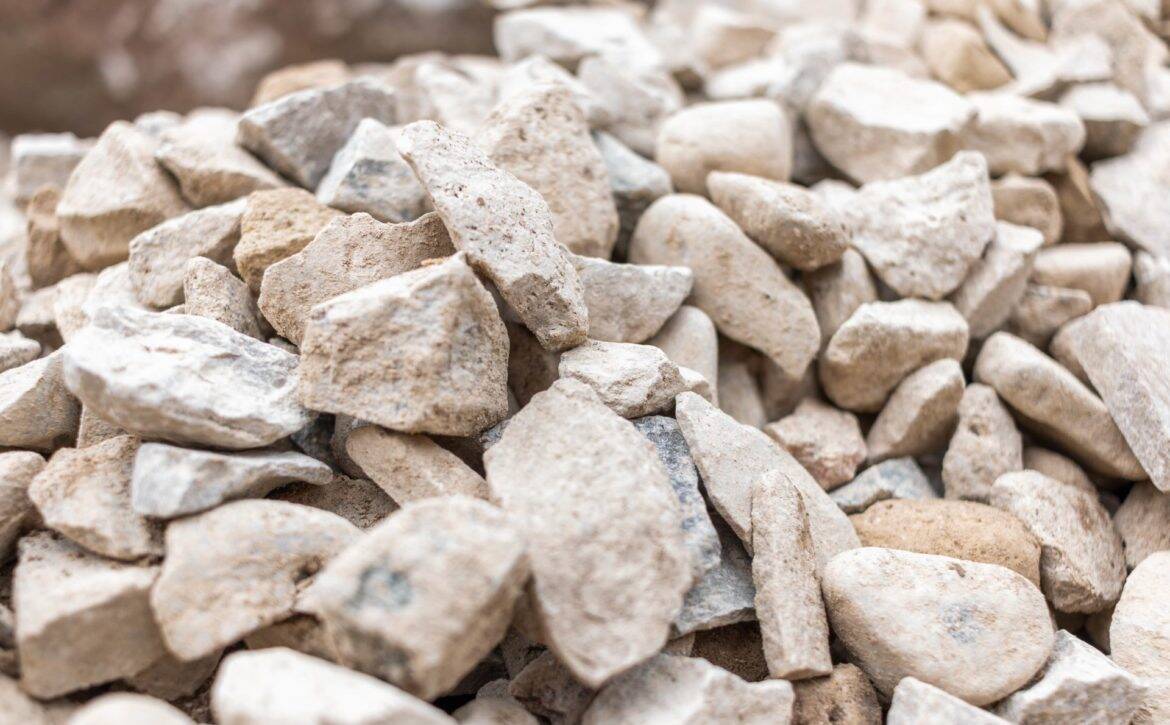
Hard water is a term used to describe water with high mineral content, primarily calcium and magnesium ions. These minerals are picked up as water passes through deposits of limestone and chalk, which are rich in these substances. While hard water is generally safe to drink and use, it can create a series of issues that may prompt homeowners to consider filtration.


The Impact of Hard Water

  • Appliance Lifespan: One of the most notable impacts of hard water is its effect on appliances. As a result, when hard water is heated, it can lead to the formation of mineral deposits, commonly referred to as “scale.” Over time, this scale can accumulate in pipes, water heaters, and other appliances, reducing their efficiency and potentially shortening their lifespan.
  • Reduced Soap Effectiveness: Hard water reacts with soap to form soap scum, which can be a hassle to clean and can leave a residue on your skin and hair. This means you may need more soap or detergent to achieve the same cleaning effect, resulting in increased costs over time.
  • Lathering Issues: Whether it’s washing your hands, doing laundry, or taking a shower, hard water can make it difficult for soap to lather effectively. This can leave you feeling less clean and cause frustration as you attempt to get rid of soap residue.
  • Staining and Spots: Hard water can leave behind mineral stains on dishes, glassware, and fixtures. Additionally, it can contribute to water spots on shower doors, windows, and car exteriors, requiring more frequent cleaning.
  • Skin and Hair Concerns: Some individuals may find that hard water makes their skin feel dry and their hair less manageable. The mineral buildup can interfere with the natural oils present on your skin and scalp.
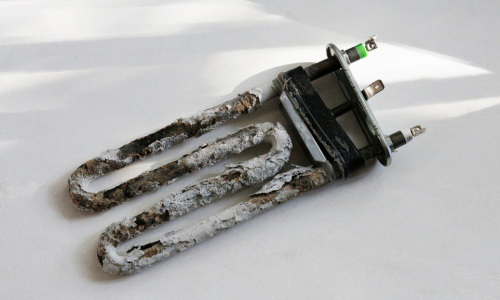
 

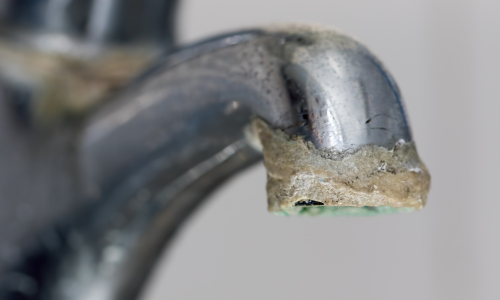
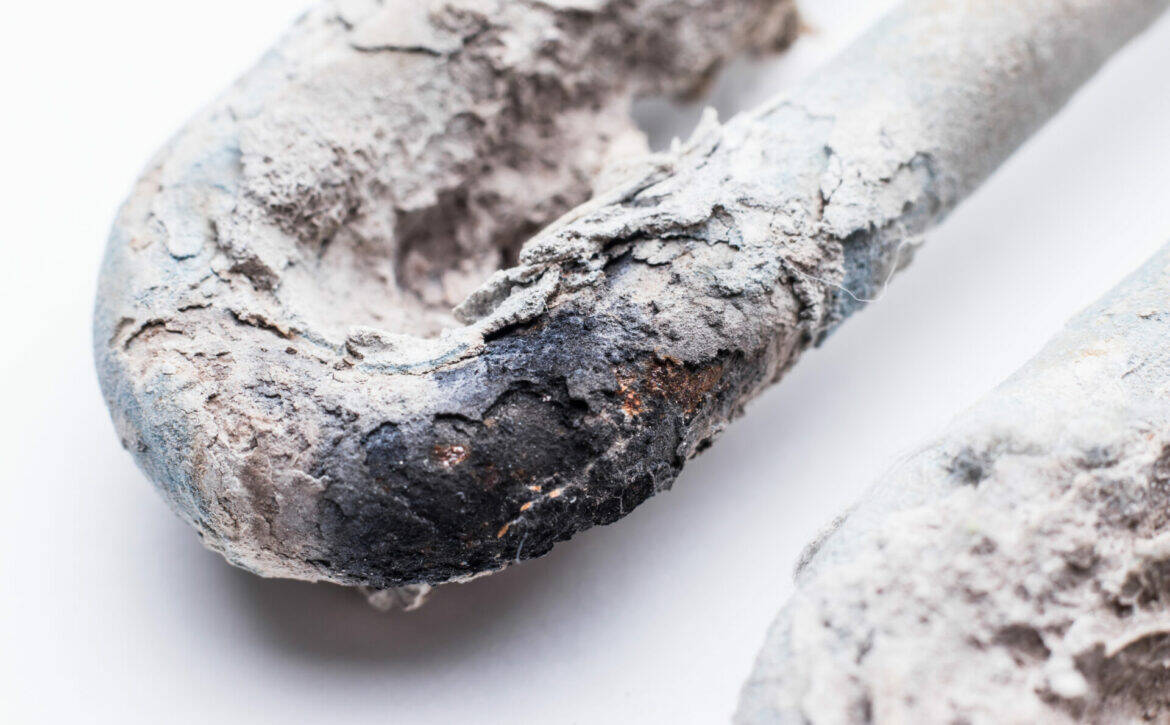
A heating element covered in limescale.

Potential Solutions for Dealing with Hard Water

  • Water Softeners: A popular solution for dealing with hard water is installing a water softener. Water softeners use ion exchange, effectively reducing the mineral content of the water. This can help prevent scale buildup and alleviate many of the issues associated with hard water.
  • Water Conditioners: As a great alternative to water softeners, typically water conditioners don’t require any additional maintenance or salt in order to reduce the impact of hard water. They change the way that hard water behaves in your home, ensuring you get the benefits of soft water.
  • Filtration Systems: Filtration systems designed specifically for hard water can also be effective. These systems may use various methods, such as reverse osmosis or polyphosphate sequestration, to remove or reduce the minerals responsible for hardness.
  • Magnetic or Electronic Devices: Some alternative approaches claim to “soften” water using magnetic or electronic devices. However, the scientific consensus on the effectiveness of these methods is mixed, and they may not provide consistent results.
  • Chemical Additives: Certain chemical additives can bind to minerals in hard water, preventing them from causing scale buildup. While these additives can be useful, they need to be replenished regularly.

Do You Really Need to Filter Hard Water?

The decision to filter hard water ultimately depends on the severity of the issues you’re experiencing and your personal preferences. Here are a few factors to consider:

  • Impact on Appliances: If you’ve noticed scale buildup in your appliances or have experienced decreased efficiency, a water conditioner could extend the lifespan of your appliances.
  • Cleaning Challenges: If you’re tired of scrubbing mineral stains off dishes, fixtures, and shower doors, a filtration system might be worth the investment to simplify your cleaning routine.
  • Skin and Hair Concerns: If you or your family members are experiencing skin dryness, irritation, or hair problems, a water conditioner could improve the overall quality of your daily routines.
  • Environmental Impact: Consider the environmental impact of using a water softener. These systems discharge brine into the wastewater, which can affect local water ecosystems. Research eco-friendly options such as the Halcyan Water Conditioner, if minimising environmental impact is a concern.
  • Budget: Water softeners and filtration systems come with upfront costs, installation fees, and ongoing maintenance expenses. Evaluate your budget and weigh the long-term benefits against the initial investment.


Conclusion

Hard water can cause a range of inconveniences and issues that might prompt you to consider filtration options. Whichever solution you choose, it’s essential to assess the severity of the problems you’re facing, your budget, and your environmental considerations. Ultimately, the choice to filter hard water comes down to your desire for cleaner dishes, longer-lasting appliances, and an improved overall quality of life.


If you’d like to find out more about the Halcyan Water Conditioner, you can explore our Knowledge Centre and find out how it works here. You can call our expert team on 0345 504 0656 for more information on whether you have hard water and how you can benefit from installing a Halcyan.


Why choose Halcyan?

Halcyan Water Conditioners is a British company based in Bristol and our alloy-based solution to hard water is unique to the UK. Our alloy-based Water Conditioner is an eco-friendly, people-friendly solution to hard water! If you’re looking for ways to improve the efficiency of your home, get in touch with us to see how our Halcyan Water Conditioner can help. With our 30 Year Warranty, you can enjoy the benefits of your investment for many years to come!


Learn More
Samantha
July 10, 2023
LimescaleWater ConditionersWater Softeners & Water Softening SystemsHard Water

Is a Water Conditioner Better than a Water Softener? A Comprehensive Comparison

Water quality is an essential aspect of our daily lives, impacting everything from our health to the longevity of our appliances. In the UK, many households struggle with hard water, which contains high levels of minerals like calcium and magnesium. The solution? Water treatment systems such as water softeners and water conditioners. But which one is better? Let’s delve into this topic and find out which is the best water conditioner for you.


Understanding Hard Water Problems

Before we compare water conditioners and softeners, it’s crucial to understand why hard water can be problematic. Hard water can lead to scale build-up in your pipes and appliances, reducing their efficiency and lifespan. It’s also believed to affect your skin and hair health, making them dry and dull.


Moreover, hard water can make cleaning tasks more challenging as it doesn’t lather well with soap or detergent. These issues have led many homeowners to seek solutions like water softeners or conditioners.


The Water Softener: A Traditional Solution

Water softeners have been around for decades, providing a time-tested solution for hard water problems. They typically work by replacing the calcium and magnesium ions in hard water with sodium ions through a process called ion exchange.


This process effectively reduces the hardness level of your water, preventing scale build-up in your pipes and appliances. It also improves lathering with soap, leading to better cleaning results.


However, there are some drawbacks to using a traditional water softener. For one, they require regular maintenance including salt refills and system cleanings. Additionally, they increase sodium content in your household’s wastewater which may not be environmentally friendly. In our previous blogs, we discuss some of the issues with traditionally softened water, such as watering the garden and the need to install a separate drinking water tap.


The Water Conditioner: A Modern Alternative

In contrast to traditional softeners, water conditioners are a newer technology designed to tackle hard water problems without adding sodium to your household’s wastewater stream. Instead of removing calcium and magnesium ions from the hard water like softeners do; conditioners alter these minerals’ behaviour so they don’t stick to surfaces – effectively preventing scale build-up.


One significant advantage of using a conditioner over a softener is that it requires less maintenance since there’s no need for salt refills or regular maintenance. Furthermore, because it doesn’t add sodium to your wastewater stream, it’s considered much more eco-friendly than traditional softeners.


So is a Water Softener or Water Conditioner Better?

The answer depends on what you value most in a hard-water treatment system. If you want an established solution that guarantees softer water and you don’t mind regular maintenance or increased sodium content in your wastewater; then a traditional softener might be right for you.


On the other hand; if you prefer an eco-friendly option that requires less maintenance but still effectively prevents scale build-up; then consider investing in one of the most sustainable water conditioner UK options available on the market today. The Halcyan Water Conditioner is an easy ‘fit and forget’ solution to hard water that ensures your home is protected for decades to come.


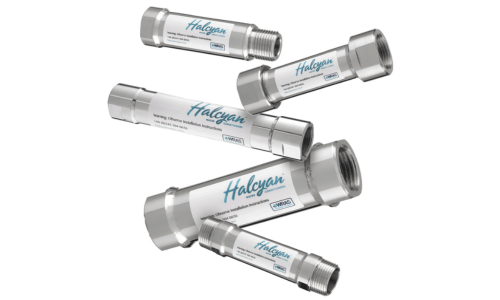
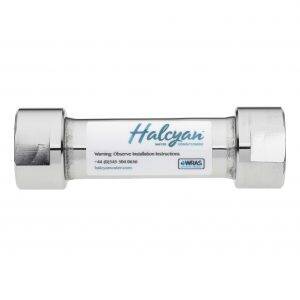
Halcyan Water Conditioner


Final Thoughts

In conclusion; both systems have their pros and cons when dealing with hard-water problems at home. Your choice between a conditioner or softener should depend on your specific needs; preferences; budget; as well as environmental considerations.


Remember that while both systems can help prevent scale build-up in pipes and appliances; only modern conditioners will ensure a maintenance-free solution that is also good for the environment – something worth considering if this is important for you.


Regardless of which system you choose; remember that improving your home’s water quality is an investment not just for preserving your appliances’ lifespan but also for enhancing you and your family’s overall wellbeing and happiness.


If you’d like to find out more about the Halcyan Water Conditioner, you can explore our Knowledge Centre and find out how it works here. You can call our expert team on 0345 504 0656 for more information on whether you have hard water and how you can benefit from installing a Halcyan.


Why choose Halcyan?

Halcyan Water Conditioners is a British company based in Bristol and our alloy-based solution to hard water is unique to the UK. Unlike water softeners, our alloy-based Water Conditioner is an eco-friendly, people-friendly solution to hard water. With our 30 Year Warranty and our 12 Month Money Back Performance Guarantee, you protect your home now and into the future with Halcyan.

Learn More

Samantha
June 13, 2023
Water Softeners & Water Softening Systems

Why Should You Avoid Using Softened Water on Your Garden?

Gardening is a popular hobby for many people, and it can be a great way to relax and enjoy the outdoors. However, if you’re not careful about what kind of water you use in your garden, you could end up doing more harm than good. To combat the issue of hard water in the home, some people choose to install a water softener. Softened water is one type of water that should be avoided when it comes to gardening. Here’s why:


The Effects of Softened Water on Soil Quality

Softened water contains higher levels of sodium, which can have a detrimental effect on the quality of your soil. When sodium is added to soil, it can cause the soil to become compacted and unable to retain moisture or nutrients. This can lead to poor plant growth and even death in some cases. Additionally, sodium can also make it difficult for beneficial microorganisms to thrive in the soil, leading to further problems with plant health.

The Impact on Plant Health


Plant Health


Softened water can also have a negative impact on the health of your plants. The higher levels of sodium in softened water can cause plants to become dehydrated and stressed out due to an inability to absorb moisture from the soil. This can lead to wilting, yellowing leaves, and stunted growth in some cases. Furthermore, softened water may also contain other chemicals such as chlorine or fluoride which are not beneficial for plants and may even be toxic in large amounts.


The Risk of Algae Growth

Softened water is also known for promoting algae growth due to its higher levels of sodium and other minerals. Algae growth can be unsightly and may even lead to oxygen deprivation in ponds or other bodies of water that are used for irrigation purposes. Additionally, algae blooms are often accompanied by unpleasant odors which may make gardening less enjoyable for some people.


Is There a Solution?

Thankfully, yes! There are a number of solutions that enable you to use your tap water in the garden:


  • Install a Separate Tap:

If you have a water softener installed, it’s a good idea to also install a separate drinking water tap. This ensures that the water you drink is completely safe and therefore will also be safe to use in your garden. You can read all about installing a drinking water tap in our previous blog.


  • Use Bottled or Filtered Water:

This may be a solution for every now and again but isn’t ideal for the environment or your wallet.


  • Use Rainwater:


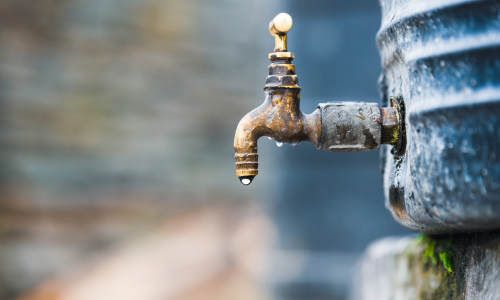
Rainwater water butt


A great way to ensure that your plants are getting safe water is to collect the rainwater with a water butt. This will mean that you always have a good quantity of water available. If you have a water softener installed, you will need to wait for your water butt to become full (which may take some time in the driest months of the year) as you won’t be able to fill it from your water supply.


  • Install a Water Conditioner:

If you’re looking for a solution to hard water but you’re worried about the effects of a water softener on your water supply, there is an alternative. A Halcyan Water Conditioner is a simple ‘fit and forget’ solution to hard water that has no negative effect on your tap water. Unlike water softeners, it doesn’t remove the minerals from water or affect sodium levels but conditions the water through a unique alloy which makes it behave just as soft water does in your home.


Conclusion

Generally speaking, it’s best to avoid using softened water when gardening or irrigating your garden beds. You may be able to use softened water on occasion around the garden but it’s definitely not advised to do this regularly or over a prolonged period. There are plenty of other sources of clean water available that won’t have such a negative impact on your soil quality or plant health. Doing so will help ensure that your garden stays healthy and beautiful for years to come!


If you’d like to find out more about the Halcyan Water Conditioner, you can explore our Knowledge Centre and find out how it works here. You can call our expert team on 0345 504 0656 for more information on how you, your home and your garden can benefit from installing a Halcyan.


Why choose Halcyan?

Halcyan Water Conditioners is a British company based in Bristol and our alloy-based solution to hard water is unique to the UK. Unlike water softeners, our alloy-based Water Conditioner is an eco-friendly, people-friendly solution to hard water and your water supply will be perfectly fine to drink and to use in the garden. With our 30 Year Warranty and our 12 Month Money Back Performance Guarantee, the Halcyan is the perfect ‘fit and forget’ solution whilst giving you peace of mind.

Learn More

Samantha
May 19, 2023
Water Softeners & Water Softening Systems

Why You May Need to Install a Separate Drinking Water Tap if You Have a Water Softener

Water softeners are an increasingly popular way to reduce the amount of minerals in your water supply. While they are effective at removing these impurities, they can also affect the taste of your drinking water. To ensure that you have access to clean, safe drinking water, it is important to install a separate drinking water tap if you have a water softener. In this article, we will discuss why this is necessary and how to go about installing one.


What Are the Benefits of Installing a Separate Drinking Water Tap?

Installing a separate drinking water tap allows you to have access to clean, safe drinking water without having to worry about any potential contaminants or unpleasant tastes caused by the water softener. This is especially important if you have children or elderly family members who may be more sensitive to these issues. Additionally, having a separate tap will save you time and energy as you won’t need to worry about filtering your drinking water each time you need it.


How Does a Water Softener Affect Your Drinking Water?

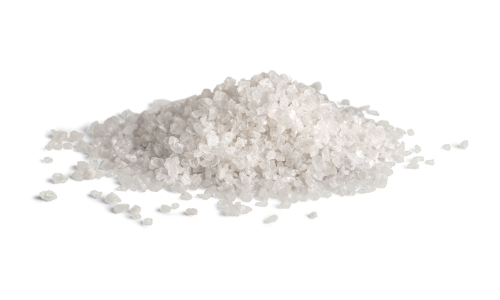
Water softener salt


A water softener works by removing minerals from your home’s water supply such as calcium and magnesium by using salt. While this can be beneficial for reducing limescale build-up in pipes and appliances, it can also affect the taste of your drinking water.


How Can You Install a Separate Drinking Water Tap?

Plumber tap


Installing a separate drinking water tap is relatively straightforward and can usually be done in just one day with minimal disruption in most cases. While this may be a simple job for the competent DIY-er, for most it’s best to employ a professional plumber.


Is There an Alternative?

If you are searching for a way to keep your home free from limescale and would prefer not to install a separate drinking water tap, thankfully there is an alternative – you can install a water conditioner. Unlike water softeners, a water conditioner doesn’t use salts to soften your water, so you won’t experience drawbacks such as the need to install a separate tap for drinking water, or the environmental downsides often associated with salt softeners. The Halcyan Water Conditioner offers a quick and painless solution to hard water. With a very simple installation, you can enjoy the benefits of softer behaving water as our conditioner changes the way hard water behaves in your home, without impacting your drinking water supply.


Conclusion

Having access to clean, safe drinking water is essential for everyone’s health and well-being. If you have a water softener installed in your home, it is important that you also install a separate drinking water tap so that you can avoid any potential contaminants or unpleasant tastes caused by the softening process. You could look at an alternative way to have the benefits of soft water in your home by installing a Halcyan Water Conditioner, without the need to install a separate tap for your drinking water.


If you’d like to find out more about the Halcyan Water Conditioner, you can explore our Knowledge Centre and find out how it works here. You can call our expert team on 0345 504 0656 for more information on how you can heat your water for less, by installing a Halcyan.


Why choose Halcyan?

Halcyan Water Conditioners is a British company based in Bristol and our alloy-based solution to hard water is unique to the UK. As leaders in our industry, our mission is to help our customers save money, save energy and save the planet with our eco-friendly, people-friendly water conditioners. We take huge pride in our customer satisfaction and our testimonials speak for themselves. With our 30 Year Warranty and our 12 Month Money Back Performance Guarantee, you can put your trust in Halcyan Water Conditioners.

Learn More

Samantha
April 17, 2023
Water ConditionersWater Softeners & Water Softening SystemsHard Water

How Does Hard Water Affect Soap?

We all know that soap is essential for keeping our hands and bodies clean. But did you know that the type of water you use to wash with can have a big impact on how effective your soap is? Hard water, or water with high levels of minerals like calcium and magnesium, can make it difficult for soap to lather and perform its cleaning duties. In this blog post, we’ll take a closer look at how hard water affects soap and what you can do about it.


What is Hard Water?

Hard water is any type of water that has a high mineral content. This usually includes calcium, magnesium, and other minerals that are naturally occurring in the environment. These minerals are not harmful to our health but they can reduce effectiveness when it comes to using soap as well as causing problems for our plumbing and appliances.


How Does Hard Water Affect Soap?

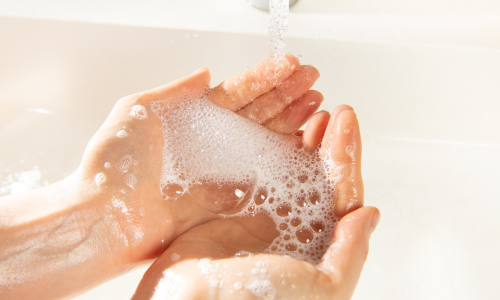
When hard water mixes with soap, it forms a substance called “soap scum” which is a sticky residue that can be difficult to remove from surfaces. This happens because the minerals in the hard water react with the fatty acids in the soap and form an insoluble substance that won’t dissolve in water. This interferes with the ability of soap to create a good lather. As a result, soap becomes less effective at cleaning and can leave a film on skin and hair.


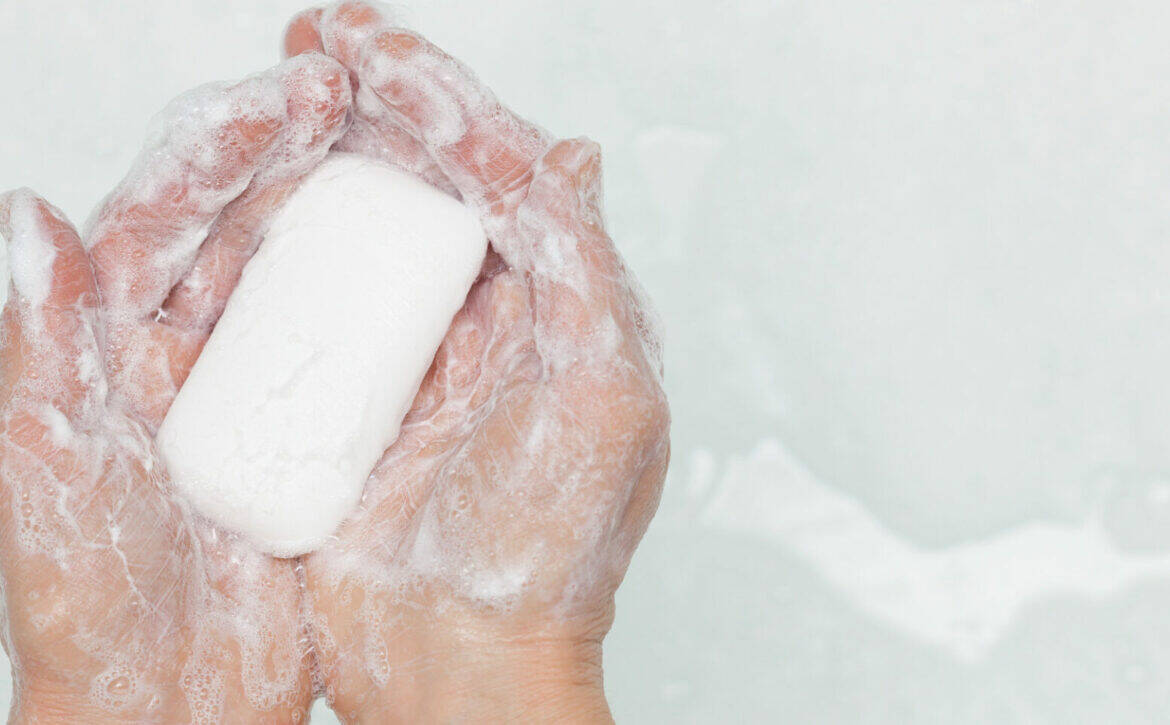
Hard water soap

What Can You Do About It?

If you live in an area with hard water, there are several things you can do to make sure your soap works properly:


1) Use a Water Softener: A water softener will remove most of the minerals from your tap water so that it won’t react with your soap. This will help ensure that your soap lathers properly and performs its cleaning duties effectively. There are a few downsides to water softeners such as their negative impact on the environment and the required space to house the equipment.


2) Use a Water Conditioner: A water conditioner affects the way minerals in hard water behave, meaning that your hard water will behave more like softened water but without the salt. This will have a similar effect to using salt-softened water but without the negative environmental impact. Our Halcyan Water Conditioner is a tiny addition to your home with a huge impact!Halcyan Water Conditioner3) Use Liquid Soap: Liquid soaps are less likely to form scum when mixed with hard water than bar soaps are. If you live in an area with hard water, consider switching to liquid soaps instead of bar soaps for better results.


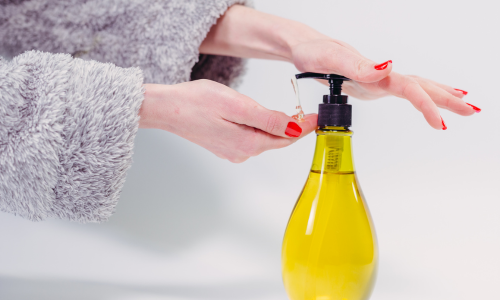
liquid soap hard water


4) Use Hot Water: Hotter temperatures help break down the molecules in the minerals which makes them less likely to form scum when mixed with soap. Try washing with hot (but not too hot!) tap water instead of cold or warm for better results.


5) Add Vinegar: For washing your clothing, adding a few tablespoons of vinegar to your wash cycle can help break down any scum that has already formed on surfaces or fabrics due to hard water use. Just be sure not to use too much vinegar as this could damage some fabrics or surfaces!


Conclusion

Hard water can have a significant impact on soap, causing it to form soap scum and reducing its ability to clean effectively. However, there are ways to combat the effects of hard water and ensure that your soap works as intended. By using a water conditioner and switching to liquid soap that is specially formulated for harder water, you can keep your skin, hair, and clothing clean and free from unsightly soap scum.


If you’d like to find out more about the Halcyan Water Conditioner, you can explore our Knowledge Centre and find out how it works here. You can call our expert team on 0345 504 0656 for more information on whether you have hard water and how you can benefit from installing a Halcyan.


Why choose Halcyan?

Halcyan Water Conditioners is a British company based in Bristol and our alloy-based solution to hard water is unique to the UK. Unlike water softeners, our alloy-based Water Conditioner is an eco-friendly, people-friendly solution to hard water. If you aren’t getting the results you were promised with your soap, shampoos and conditioners, get in touch with us to see how our Halcyan Water Conditioner can help! With our 30 Year Warranty and our 12 Month Money Back Performance Guarantee, you can enjoy brilliant bubbles without a care in the world!

Learn More

Samantha
March 20, 2023
Water ConditionersWater Softeners & Water Softening SystemsHard Water

Which Water Softener Is Right for Me?

If you have hard water then you’ve no doubt noticed limescale in the home. While it’s not usually cause for any serious concern, it is unsightly and affects the efficiency of your appliances. Water Softeners have been the go-to solution for many years so if you’re wondering which solution is right for you then you’ve come to the right place!


When it comes to choosing a hard water treatment solution, there are a lot of factors to consider. From the size of your home to your budget and even your environmental goals, selecting the right product can be confusing. In this blog post, we’ll discuss the different types of hard water treatment solutions and what you should look for when making your decision.


So, what are the options?

Your hard water treatment options can be put into three categories: Water Softeners, Water Conditioners and Scale Inhibitors. They all work in different ways and with varying results, so it’s important you do your research before committing to any purchase.


As we mentioned before, Water Softeners (also known as Salt Softeners) are the traditional way of dealing with hard water. In comparison to other methods, they tend to be at the top end when it comes to expense, and they require regular salt top-ups for them to remain effective which adds to your ongoing costs. You can learn more about how Water Softeners work here.


A much lesser known solution is Water Conditioners. They come in a range of shapes and sizes which use different technologies. Because there is such a large range, pricing also varies, as does effectiveness. However, there are usually now ongoing maintenance costs associated with Water Conditioners which keeps the running cost low. You can find out more about Water Conditioners in this blog.

Last but not least, Scale Inhibitors are the third solution to hard water in the home. They are at the lower end of the scale when it comes to cost but they typically only protect one piece of equipment, not the entire home. For an overview of how Scale Inhibitors work, click here.


Factors to consider when choosing a hard water treatment solution


It’s important you thoroughly research the options before you commit to a hard water treatment solution. As we have already eluded to, there are three main types of solution which vary in cost, longevity and effectiveness. Here are some of the key points you should consider when researching the right solution for your home:


Type: As mentioned above, there are several types of water treatment solutions available on the market today. Consider which type best suits your needs before making your decisio

Cost: Different types of units come with different price tags so be sure to factor cost into your decision-making process.

Size: Scale Inhibitors are small devices which are fitted to each individual appliance, Water Conditioners are typically in-line devices that are plumed into your incoming water supply, while Water Softeners are usually much larger and may even require an entire cupboard to house them.

Maintenance: Some units require more maintenance than others so be sure to research how much maintenance each type requires before making your purchase.

Lifespan: The lifespan of hard water treatment options varies greatly, from just a few years up to 30+ years.

Environmental Goals: If you’re concerned about the environmental impact of your hard water solution, you may wish to avoid Water Softeners which use salt and expel briny effluent into the watercourse.

Conclusion

Choosing the right solution for your home can be tricky but with some research and consideration you can find one that meets all your needs and fits within your budget. Be sure to take into account size, type, cost and maintenance when making your decision so that you get the most out of your purchase.

To find out if the Halcyan Water Conditioner is right for you, call our expert team for free advice on 0345 504 0656.

Learn More

Samantha
The heating element of the washing machine close-up. The cause o
March 8, 2023
LimescaleWater ConditionersWater Softeners & Water Softening Systems

Can You Get Rid of Limescale Permanently?

Limescale is a common problem that can be found in many homes. This chalky white deposit that forms on surfaces due to hard water can be difficult to remove. If you’re looking for a way to get rid of limescale permanently, then you’ve come to the right place! In this blog post, we’ll discuss the best methods for removing limescale and preventing it from coming back.

What is Limescale?

Hard water contains high levels of calcium and magnesium, which create a mineral residue that sticks to surfaces and can be difficult to remove. Limescale can form on sinks, taps, showers, toilets, and other surfaces in your home, as well as on heating elements, for example in your kettle.

How to Remove Limescale

The first step in getting rid of limescale is to remove as much of it as possible from the surface. This can often be done by using a scrubbing brush or an abrasive cleaner such as vinegar or baking soda and a bit of elbow grease. For tougher deposits, you may need to use a chemical cleaner such as Viakal. 

Preventing Future Build-up

Once you’ve removed the existing limescale from your home, it’s important to take steps to prevent future build-up. The best way to do this is by installing a water softener or water conditioner in your home. The two solutions work in very different ways. You can read more about the differences in our blog post on the topic here.

While water softeners are the traditional limescale-prevention method, they use salts and expel briny effluent into the watercourse. So, if you’re looking for a sustainable, eco-friendly solution then a water conditioner may be a better solution for your needs.


Why choose Halcyan?

The Halcyan Water Conditioner is a 100% passive solution to the problem of limescale in the home and is entirely salt and maintenance free. With a 30 year warranty, it’s the only solution you’ll ever need. 

You can find out more about how the Halcyan Water Conditioner works here, or to find out what our customers have to say about our products, visit our testimonials page.


Learn More

Samantha
August 2, 2021
Water ConditionersWater Softeners & Water Softening Systems

What are Hard Water Filters?

Dealing with the problems of hard water can be a real headache. Especially when there are several different and interchangeable names for systems on the market. So what is a hard water filter? Do these systems even exist? If not, then why is the term used? In this article we’ll answer all the above and clarify what the devices on the market are that you’ll want to research when looking for a solution to your limescale issues.

Learn More

Samantha
July 23, 2021
Water ConditionersWater Softeners & Water Softening SystemsSustainability and the Environment

Is there such a thing as an Eco Friendly Water Softener

If you’ve been looking at treating your hard water the first systems that you will see are water softeners. But as you read more into these devices you may have noticed that they aren’t the most environmentally friendly systems. Water softeners create a sodium backwash or brine solution which is released into the water ways during their regeneration process. This of course begs the question, are there more environmental friendly solutions to the issue and are there eco-friendly water softeners as an alternative?

Learn More

Samantha
July 21, 2021
Water ConditionersWater Softeners & Water Softening Systems

Are there Water Softener Alternatives?

If you’ve been looking into dealing with your hard water problems the first solutions, you will have seen and heard about are water softeners. Whilst these systems work well, they are not without their significant downsides.

Learn More

Samantha
  • 1
  • 2
  • 3
Categories
  • Cleaning
  • Soft Water
  • Limescale
  • Construction
  • Energy
  • News & Events
  • Magnetic
  • Health
  • Uncategorized
  • Carbon
  • Water Conditioners
  • Water Softeners & Water Softening Systems
  • Charities
  • Sustainability and the Environment
  • Hard Water
  • Cost
  • hard water areas
The Halcyan
Which Size Is Right For You
The System Explained
How To Install
Contact Us
Why Us
About Us
Testimonials
Clients & Partners
Useful Links
FAQ's
Shop
Policies
14 Day Cancellation Policy
Privacy Policy
Warranty & Guarantee
Newpay FAQ
Halcyan water conditioners logo

Eco-loving, people friendly, the Intelligent Solution you’ve been looking for to your hard water, limescale problem.

We improve our products and advertising by using Microsoft Clarity to see how you use our website. By using our site, you agree that we and Microsoft can collect and use this data.

We improve our products and advertising by using Microsoft Clarity to see how you use our website. By using our site, you agree that we and Microsoft can collect and use this data.We improve our products and advertising by using Microsoft Clarity to see how you use our website. By using our site, you agree that we and Microsoft can collect and use this data.We improve our products and advertising by using Microsoft Clarity to see how you use our website. By using our site, you agree that we and Microsoft can collect and use this data.Halcyan Ltd is an Introducer Appointed Representative of Pay4Later Limited, trading as Deko, which is authorised and regulated by the Financial Conduct Authority (FRN 728646). Deko is a credit broker, not a lender and does not charge you for credit broking services. We will introduce you exclusively to Newpay finance products provided by NewDay Limited under this Introducer Appointed Representative arrangement. Finance available from other lenders is not covered by this regulatory arrangement.We improve our products and advertising by using Microsoft Clarity to see how you use our website. By using our site, you agree that we and Microsoft can collect and use this data.

Copyright © Halcyan Water Conditioners SA. Powered by Tomorrow Media.

#softlab_button_69cea42b5319c .wgl_button_link { color: rgba(255,255,255,1); }#softlab_button_69cea42b5319c .wgl_button_link:hover { color: rgba(0,101,128,1); }#softlab_button_69cea42b5319c .wgl_button_link { border-color: rgba(0,101,128,1); background-color: rgba(0,101,128,1); }#softlab_button_69cea42b5319c .wgl_button_link:hover { border-color: rgba(0,101,128,1); background-color: rgba(255,255,255,1); }#softlab_button_69cea42b55539 .wgl_button_link { color: rgba(255,255,255,1); }#softlab_button_69cea42b55539 .wgl_button_link:hover { color: rgba(255,255,255,1); }#softlab_button_69cea42b55539 .wgl_button_link { border-color: rgba(124,82,156,1); background-color: rgba(193,39,45,1); }#softlab_button_69cea42b55539 .wgl_button_link:hover { border-color: rgba(124,82,156,1); background-color: rgba(193,39,45,1); }#softlab_button_69cea42b5b26a .wgl_button_link { color: rgba(255,255,255,1); }#softlab_button_69cea42b5b26a .wgl_button_link:hover { color: rgba(0,101,128,1); }#softlab_button_69cea42b5b26a .wgl_button_link { border-color: rgba(0,101,128,1); background-color: rgba(0,101,128,1); }#softlab_button_69cea42b5b26a .wgl_button_link:hover { border-color: rgba(0,101,128,1); background-color: rgba(255,255,255,1); }#softlab_button_69cea42b5d755 .wgl_button_link { color: rgba(255,255,255,1); }#softlab_button_69cea42b5d755 .wgl_button_link:hover { color: rgba(255,255,255,1); }#softlab_button_69cea42b5d755 .wgl_button_link { border-color: rgba(124,82,156,1); background-color: rgba(193,39,45,1); }#softlab_button_69cea42b5d755 .wgl_button_link:hover { border-color: rgba(124,82,156,1); background-color: rgba(193,39,45,1); }@media only screen and (max-width: 768px){ #softlab_spacer_69cea42b77ef1 .spacing_size{ display: none; } #softlab_spacer_69cea42b77ef1 .spacing_size-tablet{ display: block; } }#softlab_soc_icon_wrap_69cea42b7a78c a{ background: #ffffff; border-color: #ffffff; }#softlab_soc_icon_wrap_69cea42b7a78c a:hover{ background: #ffffff; border-color: #84dade; }