
Halcyan water conditioners logo
  • Home
  • Halcyan Explained
    • How It Works
    • Which Size Is Right For You?
    • How To Install The Halcyan
  • Why Us
    • The Halcyan Story
    • Testimonials
    • Clients & Partners
  • Advice Hub
    • Energy & CO2 Saving Opportunities
    • Blog
  • FAQ’s
  • Commercial
  • Contact

No products in the basket.

Visit the Shop
Call Us
Halcyan water conditioners logo
  • Home
  • Halcyan Explained
    • How It Works
    • Which Size Is Right For You?
    • How To Install The Halcyan
  • Why Us
    • The Halcyan Story
    • Testimonials
    • Clients & Partners
  • Advice Hub
    • Energy & CO2 Saving Opportunities
    • Blog
  • FAQ’s
  • Commercial
  • Contact

No products in the basket.

Visit the Shop
Call Us
Halcyan Water Conditioners logo in white
Shop
Call Us

No products in the basket.

  • Home
  • Halcyan Explained
    • How It Works
    • Which Size Is Right For You?
    • How To Install The Halcyan
  • Why Us
    • The Halcyan Story
    • Testimonials
    • Clients & Partners
  • Advice Hub
    • Energy & CO2 Saving Opportunities
    • Blog
  • FAQ’s
  • Commercial
  • Contact
  • Home
  • Halcyan Explained
    • How It Works
    • Which Size Is Right For You?
    • How To Install The Halcyan
  • Why Us
    • The Halcyan Story
    • Testimonials
    • Clients & Partners
  • Advice Hub
    • Energy & CO2 Saving Opportunities
    • Blog
  • FAQ’s
  • Commercial
  • Contact

Category: Hard Water

June 28, 2023
HealthHard Water

Is Hard Water Bad for Your Skin?

Water is an essential part of our daily lives. From quenching our thirst to maintaining personal hygiene, we rely on water for numerous purposes. However, not all water is created equal. Hard water, in particular, has garnered attention for its potential impact on various aspects of our lives, including our skin health. In this blog post, we will delve into the question: “Is hard water bad for your skin?”


Understanding Hard Water:

To comprehend the impact of hard water on the skin, let’s start by understanding what it actually is. Hard water refers to water that contains a higher concentration of minerals such as calcium, magnesium, and iron. These minerals are acquired as the water passes through soil and rocks, absorbing dissolved particles along the way. Hard water affects homes differently in the UK and while it’s generally safe to drink, its effects on our skin can be a cause for concern.


The Impact on Your Skin:

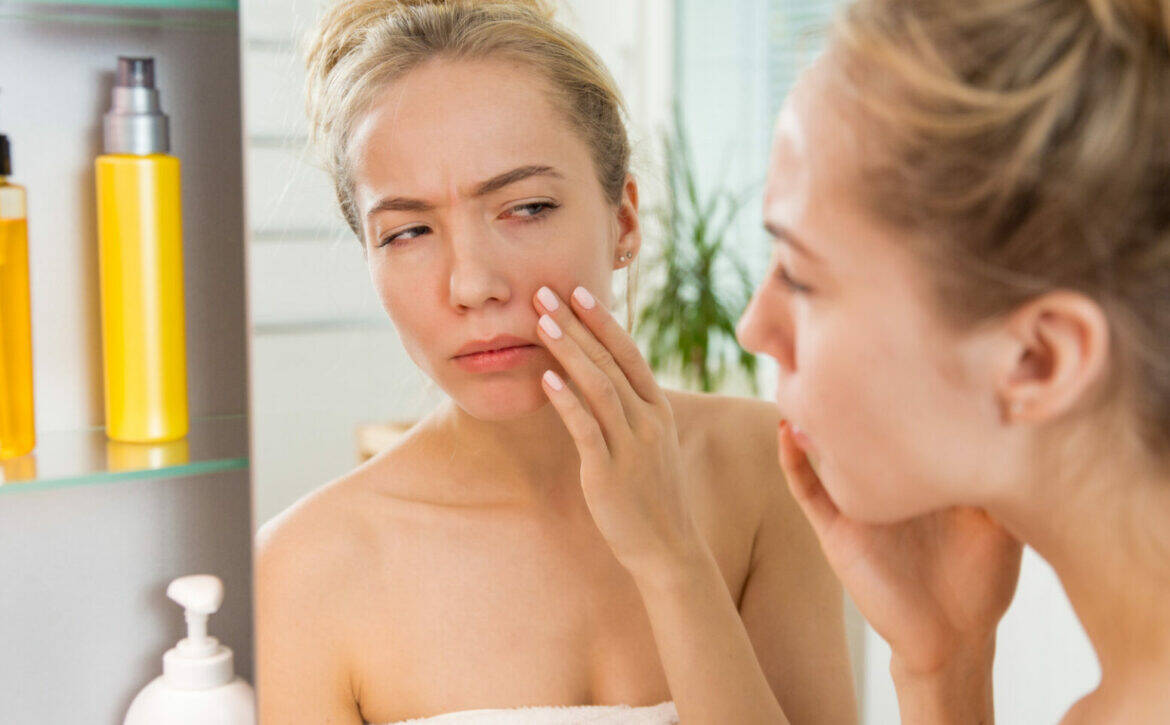
hard water eczema

  1. Dryness and Irritation: Studies suggest that one of the primary concerns associated with hard water is its potential to strip away the skin’s natural oils, leading to dryness and irritation. It’s believed that excessive mineral content in hard water can contribute to the disruption of the skin’s natural barrier function, leaving it feeling more susceptible to moisture loss and environmental aggressors. For some, it’s reported that this can result in dry, itchy, and irritated skin, especially for individuals with pre-existing conditions such as eczema, dermatitis and psoriasis.
  2. Clogged Pores: It’s also believed that hard water can contribute to clogged pores, which can lead to acne breakouts and other skin blemishes. Those who suffer report a feeling of residue on the skin. Over time, this buildup can lead to congested pores, blackheads, and even acne flare-ups.
  3. Dull and Lacklustre Skin: Studies suggest that hard water can also create a film on the skin’s surface, making it feel dull and lacklustre and that this can prevent the natural radiance of your skin from shining through, leaving it looking tired and lifeless.

How can a Halcyan Water Conditioner Help?

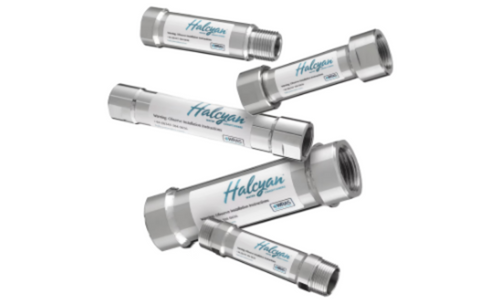
Halcyan Water Conditioner

The Halcyan Water Conditioner offers an effective solution to combat the potential negative effects of hard water on the skin. Halcyan’s advanced technology employs a unique alloy core which conditions the water. Here’s how it can benefit your skin:

  1. Restoring Skin’s Natural Moisture Balance: Softer behaving water can help maintain the skin’s natural moisture balance by reducing the impact of mineral content in hard water. By doing so, they minimise the risk of moisture loss, leaving your skin more hydrated and less prone to dryness and irritation.
  2. Promoting Clear and Healthy Complexion: By preventing mineral buildup on the skin, the Halcyan helps keep your pores clean and unclogged. This reduces the chances of acne breakouts and blemishes, promoting a clear and healthy complexion.
  3. Enhancing Skin Radiance: With its ability to counter the dulling effects of hard water, conditioned water can also contribute to restoring your skin’s natural radiance, resulting in a brighter and more vibrant appearance.


Conclusion

While it’s believed that hard water can have adverse effects on your skin, particularly in terms of dryness and irritation, treating your hard water with a Halcyan Water Conditioner may help to reduce skin issues. 


Investing in a quality water conditioner is a proactive step toward safeguarding your skin from the potential detrimental effects of hard water. So, say hello to softer behaving water with Halcyan!


If you’d like to find out more about the Halcyan Water Conditioner, you can explore our Knowledge Centre and find out how it works here. You can call our expert team on 0345 504 0656 for more information on whether you have hard water and how you can benefit from installing a Halcyan.


Why choose Halcyan?

Halcyan Water Conditioners is a British company based in Bristol and our alloy-based solution to hard water is unique to the UK. Our alloy-based Water Conditioner is an eco-friendly, people-friendly solution to hard water! If you’re looking for ways to improve the look and feel of your skin, get in touch with us to see how our Halcyan Water Conditioner can help. With our 30 Year Warranty and our 12 Month Money Back Performance Guarantee, you can love the skin you’re in for many years to come!

Learn More

Samantha
May 18, 2023
Water ConditionersHard Water

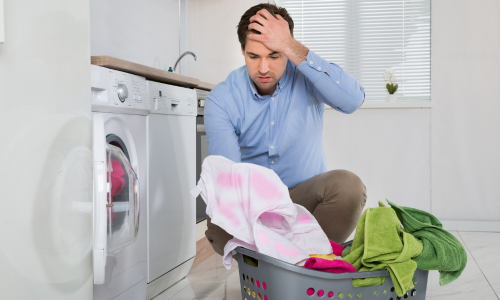
Does Hard Water Damage Washing Machines?

Hard water is a common problem in many households and it can have a big impact on your home if left unchecked. In particular, hard water causes damage to household appliances such as boilers, kettles and electric showers and can even add significantly to your energy usage. It can also affect how you wash your clothes because of the impact of hard water on washing machines. In this blog post, we’ll discuss the effects of hard water on washing machines and how to prevent damage from occurring.


What Is Hard Water?

Hard water is water that has a high mineral content, usually caused by calcium and magnesium deposits. These minerals can build up in pipes, fixtures, and appliances over time, leading to problems like clogged drains and reduced water pressure. Hard water can also cause damage to washing machines due to the build-up of limescale within the water-bearing mechanisms. Depending on where you are in the UK, water hardness can vary significantly.


How Does Hard Water Damage Washing Machines?

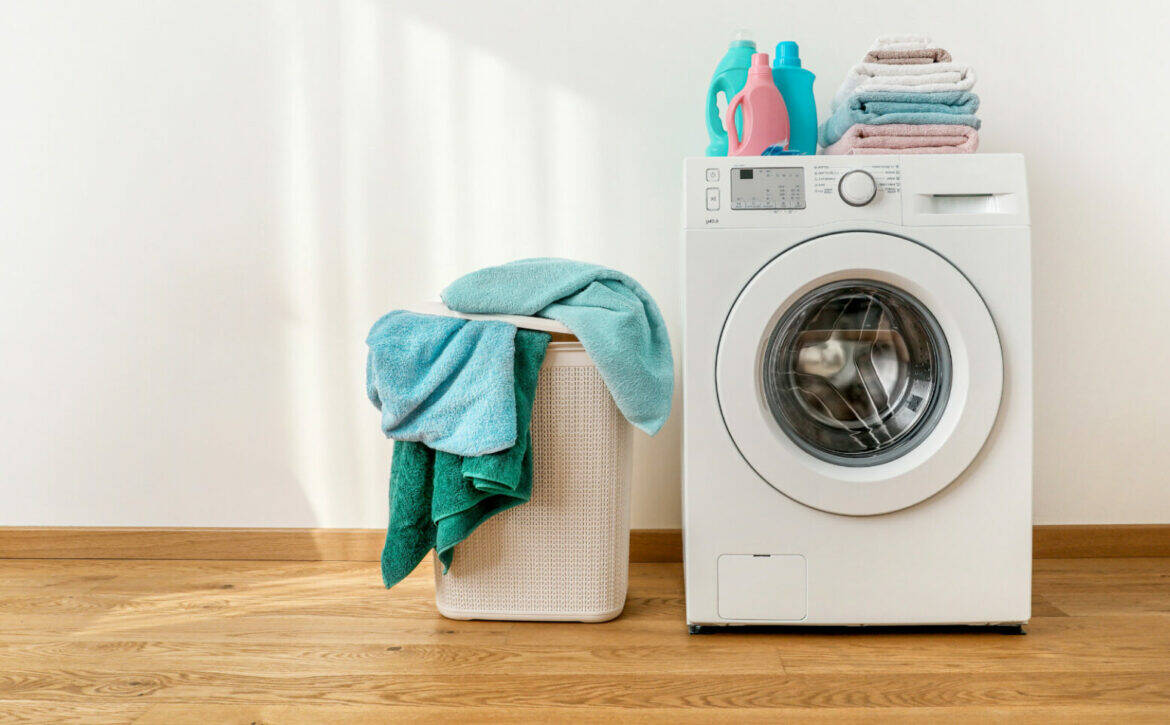
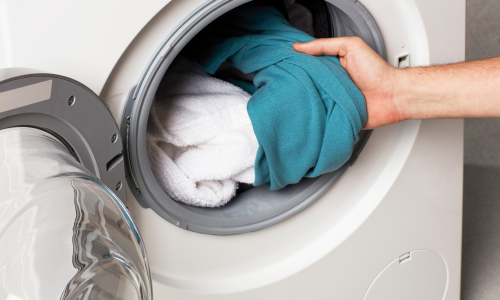
Washing machine damage


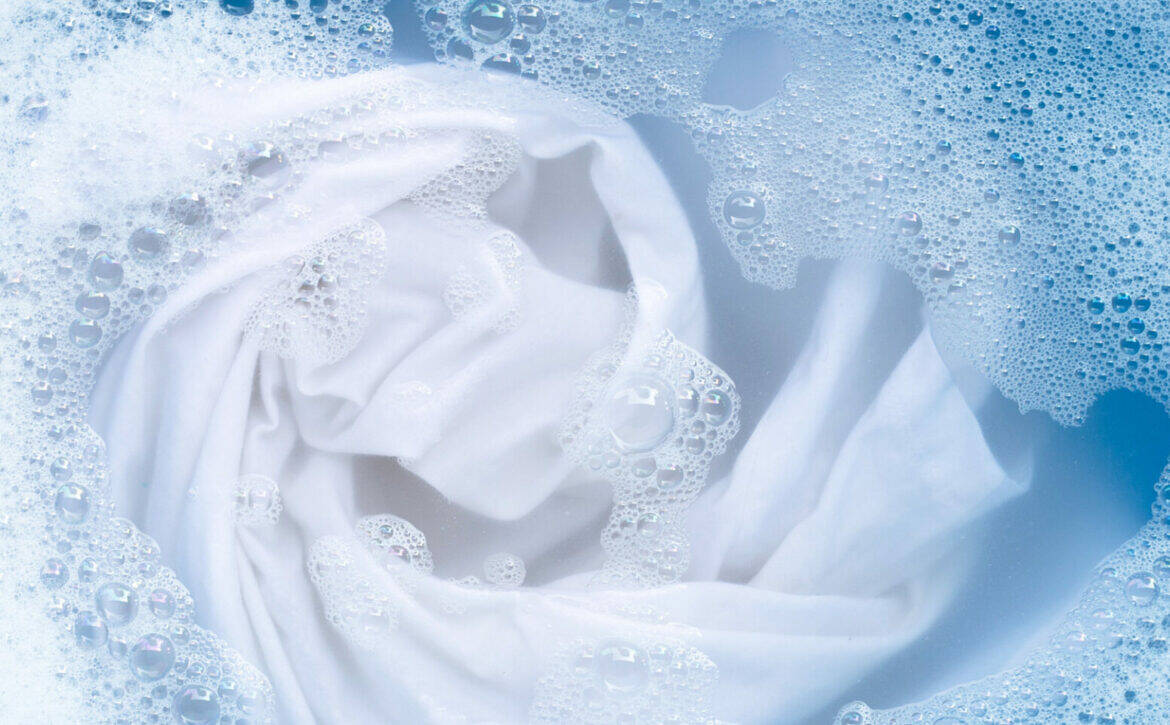
Hard water can damage washing machines in several ways. The minerals in hard water can build up inside the machine over time in the form of limescale, causing corrosion and reducing the efficiency of the machine. The minerals can also cause soap scum to form on the interior of the machine, which can lead to clogs and other issues. When soap mixes with hard water, it can create a sticky residue that can clog the machine’s pipes and cause water to back up into the machine’s drum. This can lead to mould growth, and foul odours. In addition, hard water can leave behind residue on clothing after a wash cycle is complete. In a study commissioned by the Water Quality Association in 2009, the lifespan of a washing machine is significantly reduced by hard water. By using softer behaving water, you could see the lifespan of your washing machine increase by 40%.


Preventing Damage From Hard Water

Washing Machine Care


Fortunately, there are several steps you can take to prevent damage from hard water in your washing machine:

  • Use a water conditioner: A water conditioner will alter the way that water behaves in your plumbing and appliances. Unlike water softeners, the Halcyan Water Conditioner makes hard water behave like soft water so that you get all the benefits of softer water, without the negative impact of using water softeners.
  • Clean regularly: Regularly cleaning your washing machine will help remove any residue or build-up that has already accumulated inside the machine.
  • Use less detergent: Using too much detergent when you wash clothes with hard water can lead to soap scum build-up inside your machine. To prevent this from happening, use less detergent than you normally would when using hard water for laundry.
  • Use distilled or filtered water: If possible, use distilled or filtered water instead of tap water for laundry when dealing with hard water problems. This will help reduce mineral build-up inside your washing machine and keep it running smoothly for longer periods of time. 


Conclusion

Hard water can be damaging to washing machines if not properly addressed. Fortunately, there are several steps you can take to prevent damage from occurring such as using a water conditioner or filtered/distilled water for laundry and cleaning your washer regularly. By taking these precautions, you’ll be able to keep your washer running smoothly for years to come!


If you’d like to find out more about the Halcyan Water Conditioner, you can explore our Knowledge Centre and find out how it works here. You can call our expert team on 0345 504 0656 for more information on whether you have hard water and how you can benefit from installing a Halcyan.


Why choose Halcyan?

Halcyan Water Conditioners is a British company based in Bristol and our alloy-based solution to hard water is unique to the UK. Unlike water softeners, our alloy-based Water Conditioner is an eco-friendly, people-friendly solution to hard water and its impact on your washing machine. With our 30 Year Warranty and our 12 Month Money Back Performance Guarantee, you can enjoy laundered clothes that are always clean and fresh – as well as peace of mind that our little device is taking care of your washing machine too!

Learn More
Samantha
May 11, 2023
LimescaleHard Water

How to Get Rid of Limescale without Harsh Chemicals

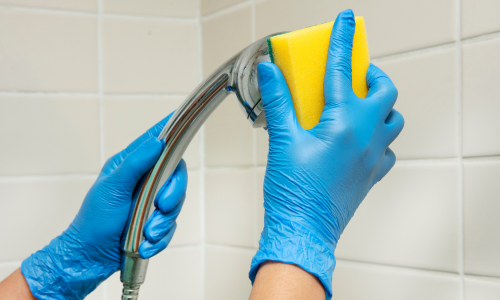
Limescale is a common problem in households, especially in areas with hard water and can be a real nuisance in the home, leaving surfaces looking dull and unsightly. It is a build-up of mineral deposits, primarily calcium and magnesium, on surfaces such as taps, showerheads, and kitchen appliances. It’s also notoriously difficult to remove, especially if you’re trying to avoid using harsh chemicals. But don’t worry – there are plenty of natural ways to get rid of limescale without resorting to strong cleaning products – many of which are harmful to the environment and also your health. Here are some tips for tackling limescale the natural way.


Using Natural Ingredients

One of the best ways to get rid of limescale is by using natural ingredients that you already have in your kitchen cupboards. There are various substances which are kind to your home, your health and the environment but also pack a good punch where cleaning is concerned!


Remove limescale with natural ingredients


  1. White vinegar: Vinegar is a natural acid that can dissolve mineral deposits. For small areas, you can soak a cloth in vinegar and place it over the limescale for a few hours or overnight. For larger areas, you can mix equal parts of vinegar and water in a spray bottle, spray the affected area, and leave it for a few minutes before wiping it away with a cloth.
  2. Lemon juice: Lemon juice is another natural acid that can remove limescale. Cut a lemon in half and rub it directly onto the limescale. Leave it for a few minutes before wiping it away with a cloth.
  3. Bicarbonate of soda: Bicarbonate of soda is an abrasive cleaner that can help remove limescale from surfaces. Mix bicarbonate of soda with water to create a paste and apply it to the affected area. Leave it for a few minutes before scrubbing it away with a brush or cloth. Bicarbonate of soda is also an excellent deodoriser which makes it a perfect cleaning agent for the bathroom.
  4. Citric acid: Citric acid is a natural acid that can dissolve limescale. Mix citric acid with water and apply it to the affected area. Leave it for a few minutes before wiping it away with a cloth.
  5. Steam cleaning: Steam cleaning is an effective way to remove limescale from surfaces such as tiles and shower screens without harsh chemicals. They use hot steam to loosen up dirt, grime and limescale so that it can be easily wiped away with a damp cloth or sponge. Steam cleaners are particularly useful for removing limescale from hard-to-reach areas such as showerheads, taps and tiles. Just make sure that you follow the manufacturer’s instructions carefully when using one!
  6. Using Preventative Measures: The best way to tackle limescale is by preventing it from forming in the first place! This can be done by installing a water conditioner which reduces the effect of minerals in your water supply, making it less likely that limescale will form on surfaces over time. A Halcyan Water Conditioner changes the way hard water behaves in your home, reducing the risk of limescale build-up.


Conclusion

Limescale can be a nuisance, but you don’t need harsh chemicals to get rid of it. There are many natural and effective ways to remove limescale from various surfaces in your home. White vinegar, lemon juice, bicarbonate of soda, citric acid, steam cleaning, and installing a Halcyan Water Conditioner are all effective methods to remove limescale without using harsh chemicals. So, the next time you notice limescale build-up, try one of these natural methods before reaching for the harsh chemicals.


If you’d like to find out more about the Halcyan Water Conditioner, you can explore our Knowledge Centre and find out how it works here. You can call our expert team on 0345 504 0656 for more information on how you can heat your water for less, by installing a Halcyan. 


Why choose Halcyan?

Halcyan Water Conditioners is a British company based in Bristol and our alloy-based solution to hard water is unique to the UK. As leaders in our industry, our mission is to help our customers save money, save energy and save the planet with our eco-friendly, people-friendly water conditioners. We take huge pride in our customer satisfaction and our testimonials speak for themselves. With our 30 Year Warranty and our 12 Month Money Back Performance Guarantee, you can be sure that the Halcyan will keep your home scale free, making it easier to keep your home clean without the need for harsh chemicals.

Learn More

Samantha
May 11, 2023
LimescaleHard Water

How to Clean Your Shower Screen: A Step-by-Step Guide

Having a clean shower screen is essential to keeping your bathroom looking fresh and hygienic. Many people opt for gleaming glass screens due to their classic clean look but over time, soap scum, hard water marks, and mildew can build up on the surface, making it appear cloudy and unappealing. Like any other surface in your home, they need regular cleaning to keep them looking their best. Here is a step-by-step guide on how to clean your shower screen and restore it to its former glory.


Step 1: Gather Your Supplies

Before you begin cleaning your shower screen, make sure you have all the necessary supplies on hand. You will need a bucket, a sponge, a squeegee, a scrub brush, white vinegar or a cleaning solution specifically designed for shower screens, and a microfiber cloth. You may also want to have some glass cleaner on hand for tougher stains. Limescale deposits on shower screens can be extremely difficult to remove. In our previous blog, we shared our top tips for removing limescale to keep your bathroom sparkling clean.


Step 2: Prepare the Area and Remove Loose Debris

Before you start cleaning, make sure the area around your shower screen is clear of any clutter or debris that could hamper your cleaning efforts. Hair, loose dirt and shampoo bottles are just some of the things that could get in your way. This will help you get the best results and make sure you don’t miss any spots.


Step 3: Apply Cleaning Solution

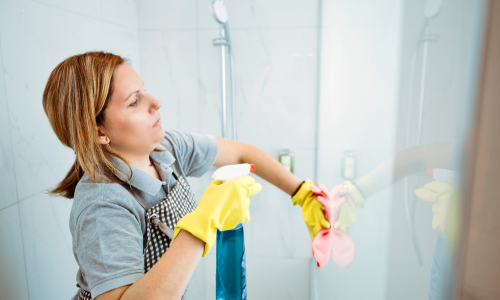
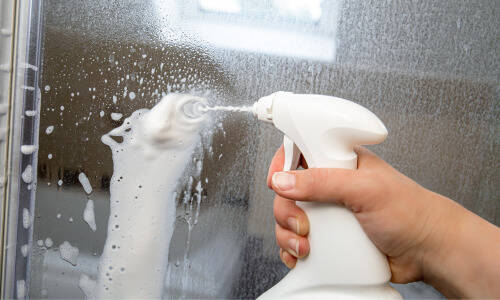
Clean shower limescale


Once you’ve gathered all your supplies and prepared the area, it’s time to start cleaning! Start by dampening your cloth with warm water and mild detergent or cleaning solution. Gently wipe down the surface of the shower screen with this mixture until it is free of dirt and grime. Allow the cleaning solution to sit on the surface of the shower screen for a few minutes. This will help to break down any soap scum or hard water stains that have accumulated. If there are any tough stains that won’t come off with this method, try using a glass cleaner or a more powerful cleaner specifically designed for shower screens. If you’re struggling to remove water marks created by hard water, try a dab of vinegar or lemon juice. Using a scrub brush or sponge, gently scrub the surface of the shower screen. Pay special attention to any areas that have particularly stubborn stains. Avoid using abrasive materials like steel wool or scouring pads, as they can scratch the surface of the screen.


Step 4: Rinse & Dry

Once you’ve finished wiping down the shower screen with detergent or cleaner, it’s time to rinse it off with clean water and dry it with a soft cloth. This will help ensure that no residue is left behind that could cause streaks or spots on your shower screen over time. Use a squeegee to remove excess water from the surface of the screen. Make sure to dry it thoroughly to prevent any water spots from forming.


Tips for Maintaining Your Shower Screen

Cleaning your shower screen regularly is important for keeping it looking its best, but there are also some other tips you can follow to help maintain its condition over time:


  • Avoid using abrasive cleaners as these can scratch or damage the surface of your shower screen over time.
  • Try not to use too much pressure when wiping down the surface as this can cause scratches or marks on the glass.
  • Make sure you dry off any excess water after each use as this can cause streaks and spots if left unattended for too long.
  • If possible, try to avoid using harsh chemicals such as bleach as these can damage both glass and metal surfaces over time if used too often.
  • Install a Halcyan Water Conditioner to prevent limescale deposits from forming and make cleaning your shower screen even easier!


Conclusion

Cleaning your shower screen doesn’t have to be a difficult task! With just a few simple steps and some basic supplies, you can easily keep it looking its best without much effort at all! Following our advice will help you to clean your shower screen and keep it looking great for years to come. Regular cleaning will also help to prevent the buildup of soap scum and hard water stains, making it easier to maintain. To keep your shower screen clean and limescale free, you can install a Halcyan Water Conditioner to enjoy the benefits of treated water in your home.


If you’d like to find out more about the Halcyan Water Conditioner, you can explore our Knowledge Centre and find out how it works here. You can call our expert team on 0345 504 0656 for more information on whether you have hard water and how you can benefit from installing a Halcyan.


Why choose Halcyan?

Halcyan Water Conditioners is a British company based in Bristol and our alloy-based solution to hard water is unique to the UK. The effects of hard water on your cleaning routine are significant. Bathroom accessories such as shower screens and shower heads are particularly prone to mineral deposits and this can make cleaning a real chore. Our alloy-based Water Conditioner is an eco-friendly, people-friendly solution to grimy shower screens. With our 30 Year Warranty and our 12 Month Money Back Performance Guarantee, you protect your home now and into the future with Halcyan.

Learn More

Samantha
April 24, 2023
LimescaleEnergyWater ConditionersHard Water

How Much Money Does Limescale Add to Energy Bills?

Limescale can have a significant impact on energy bills. In this blog post, we’ll explore the costs associated with limescale build-up and what you can do to reduce your energy bills.


What is Limescale?

Limescale is a mineral deposit that forms when hard water (water with high levels of calcium and magnesium) evaporates. It’s most commonly found in areas with hard water, such as the UK, where it can build up in pipes and appliances over time. Limescale deposits are often white or yellowish in colour, and they can be difficult to remove once they’ve built up.


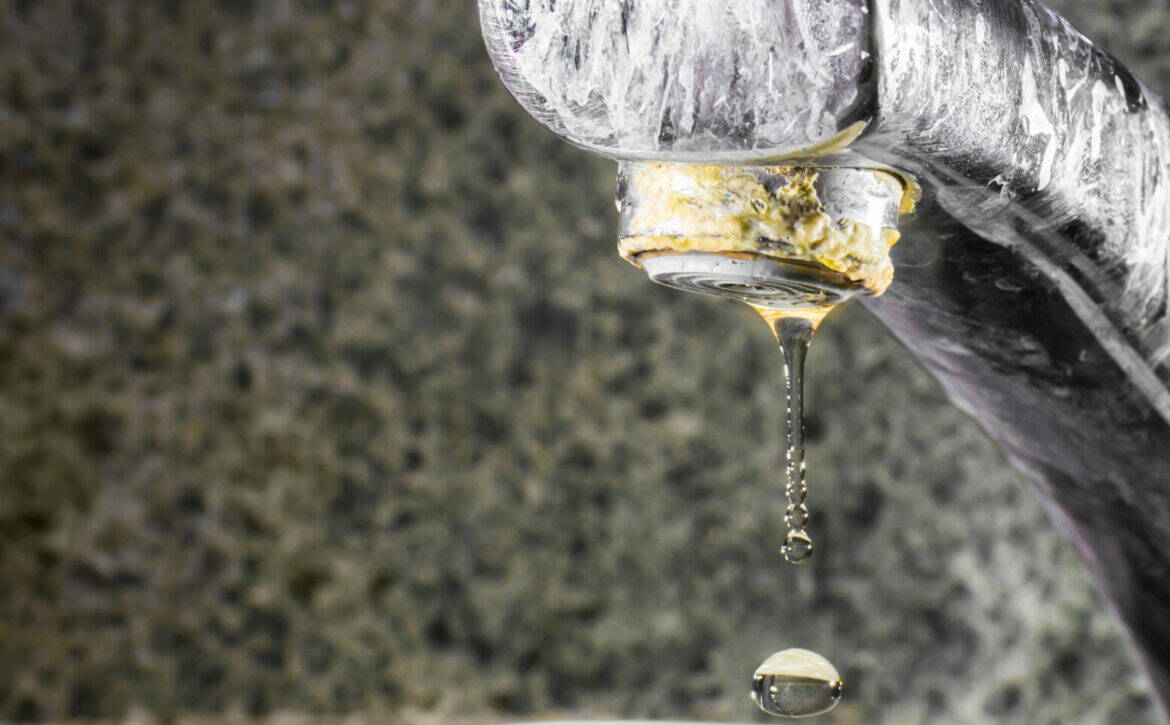
Limescale Build Up


How Does Limescale Affect Energy Bills?

The build-up of limescale in pipes and appliances can have a significant impact on energy bills. When limescale builds up on heating elements it reduces the efficiency of the appliance, meaning that more energy is required to achieve the same result when heating water. This means that you’ll be paying more for your energy bills than you would if there was no limescale present.


How much money does limescale add to bills?

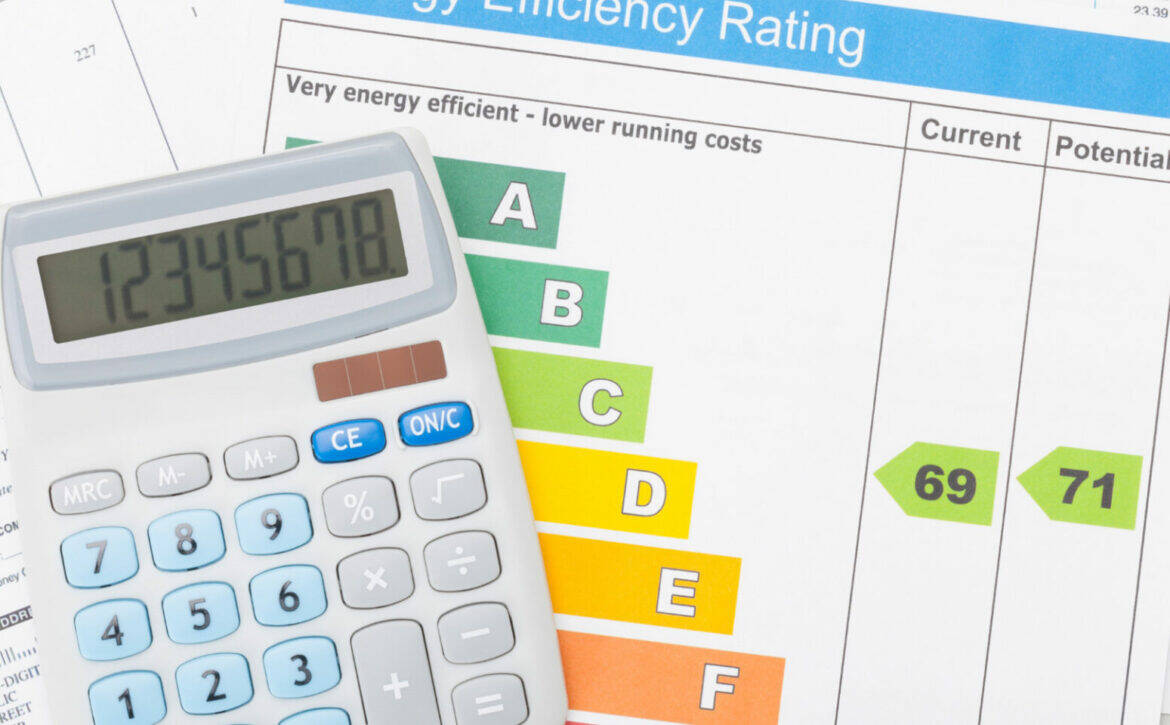
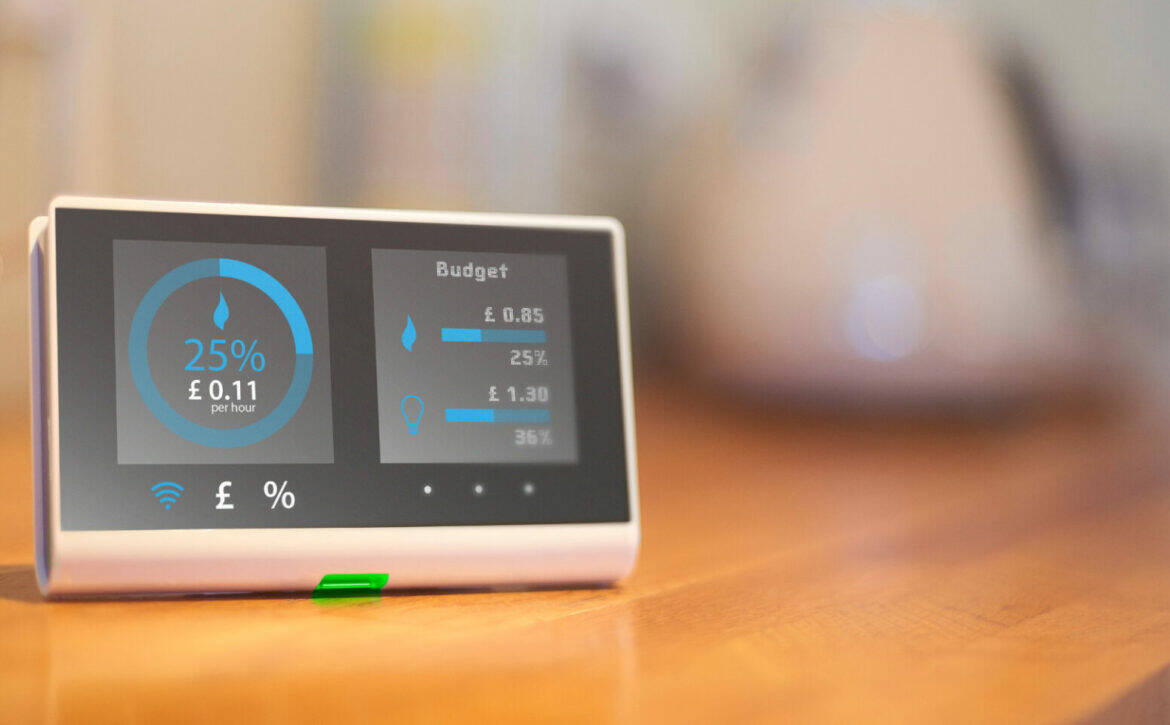
It’s a well documented fact that 60% households in the UK are supplied with hard water which causes limescale in the home. Incredibly this can add £500 or more to your annual energy bills as limescale covered heating elements (for example in your kettle, boiler and electric shower) use significantly more energy to heat the water used in your home. In fact just 3mm of limescale can increase energy consumption by 25%! This means energy bills are much higher than necessary, and so is the carbon footprint of the home. 


Limescale increases energy bills


What Can You Do To Reduce Your Energy Bills?

There are several steps you can take to reduce your energy bills if you have limescale build-up in the home:


  1. Install a water softener – A water softener will help reduce the amount of calcium and magnesium in your water supply, which will help reduce the amount of limescale build-up over time. Make sure you do your research into water softeners as they aren’t the most environmentally-friendly way to reduce limescale.
  2. Install a water conditioner – A Halcyan Water Conditioner is a great solution if you’re looking for a people-friendly, eco-friendly way to reduce the impact limescale has on your energy bills. Halcyan not only prevents hard water from leaving mineral deposits in your appliances and plumbing, but it actually removes existing limescale too! As the Halcyan doesn’t require anything other than a small amount of space in your pipework, it’s a really simple and convenient way to protect your home – and your bank balance! 
  3. Use descaling products – There are various descaling products available on the market which can help remove existing limescale deposits from pipes and appliances. These products should be used regularly to keep limescale at bay. 
  4. Regularly maintain your appliances – Regular maintenance of your appliances will help ensure that they remain efficient and don’t suffer from any unnecessary wear-and-tear due to limescale build-up. This could include cleaning filters regularly or replacing parts when necessary.

Conclusion

Limescale build-up can have a significant impact on energy bills, especially over a long period of time, but there are steps you can take to reduce its effects on your wallet. Installing a water conditioner, using descaling products regularly and maintaining your appliances regularly are all effective ways of reducing the amount of money spent on energy bills due to limescale.

If you’d like to find out more about the Halcyan Water Conditioner, you can explore our Knowledge Centre and find out how it works here. You can call our expert team on 0345 504 0656 for more information on how you can heat your water for less, by installing a Halcyan. 


Why choose Halcyan?

Halcyan Water Conditioners is a British company based in Bristol and our alloy-based solution to hard water is unique to the UK. As leaders in our industry, our mission is to help our customers save money, save energy and save the planet with our eco-friendly, people-friendly water conditioners. We take huge pride in our customer satisfaction and our testimonials speak for themselves. With our 30 Year Warranty and our 12 Month Money Back Performance Guarantee, you can be sure that the Halcyan will be working hard to keep you scale-free and save money on your bills for many years to come!


Learn More

Samantha
April 17, 2023
Water ConditionersWater Softeners & Water Softening SystemsHard Water

How Does Hard Water Affect Soap?

We all know that soap is essential for keeping our hands and bodies clean. But did you know that the type of water you use to wash with can have a big impact on how effective your soap is? Hard water, or water with high levels of minerals like calcium and magnesium, can make it difficult for soap to lather and perform its cleaning duties. In this blog post, we’ll take a closer look at how hard water affects soap and what you can do about it.


What is Hard Water?

Hard water is any type of water that has a high mineral content. This usually includes calcium, magnesium, and other minerals that are naturally occurring in the environment. These minerals are not harmful to our health but they can reduce effectiveness when it comes to using soap as well as causing problems for our plumbing and appliances.


How Does Hard Water Affect Soap?

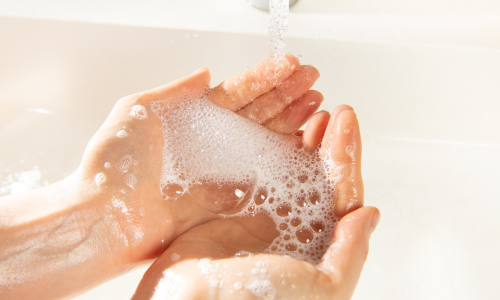
When hard water mixes with soap, it forms a substance called “soap scum” which is a sticky residue that can be difficult to remove from surfaces. This happens because the minerals in the hard water react with the fatty acids in the soap and form an insoluble substance that won’t dissolve in water. This interferes with the ability of soap to create a good lather. As a result, soap becomes less effective at cleaning and can leave a film on skin and hair.


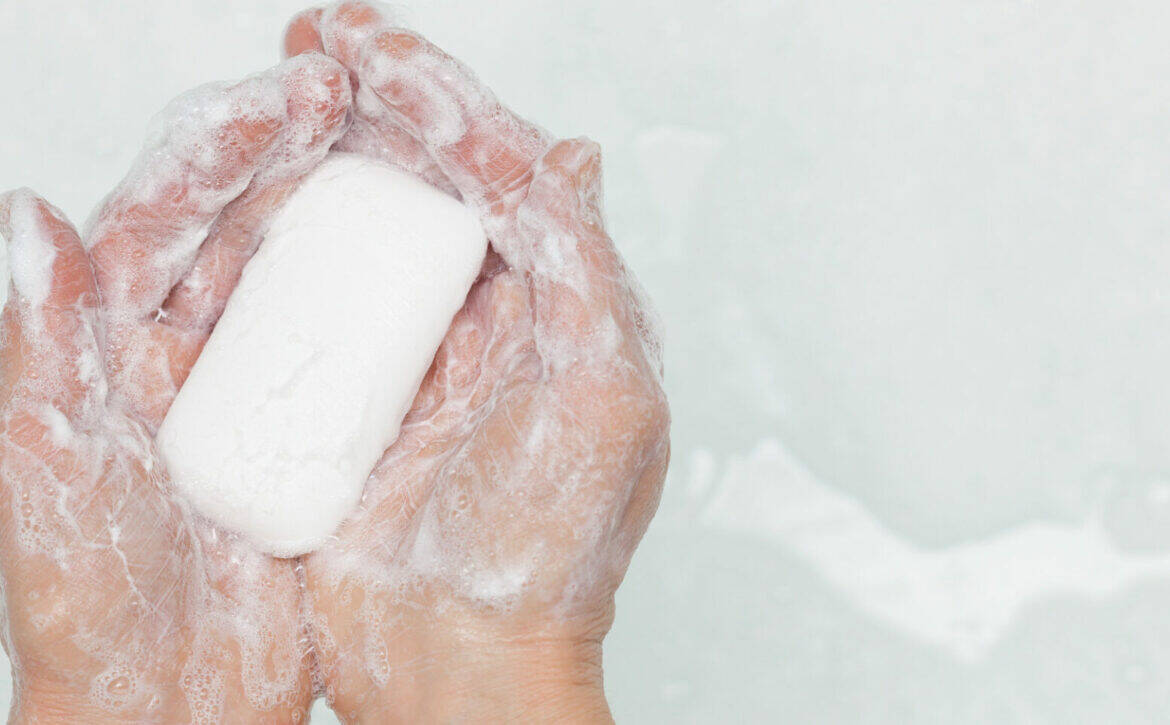
Hard water soap

What Can You Do About It?

If you live in an area with hard water, there are several things you can do to make sure your soap works properly:


1) Use a Water Softener: A water softener will remove most of the minerals from your tap water so that it won’t react with your soap. This will help ensure that your soap lathers properly and performs its cleaning duties effectively. There are a few downsides to water softeners such as their negative impact on the environment and the required space to house the equipment.


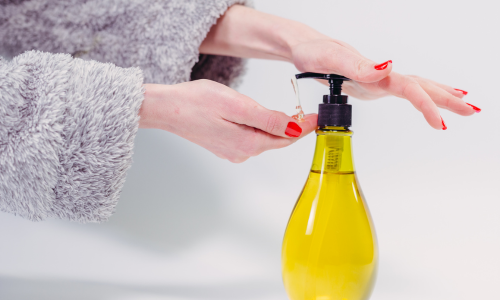
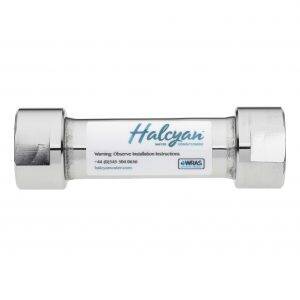
2) Use a Water Conditioner: A water conditioner affects the way minerals in hard water behave, meaning that your hard water will behave more like softened water but without the salt. This will have a similar effect to using salt-softened water but without the negative environmental impact. Our Halcyan Water Conditioner is a tiny addition to your home with a huge impact!Halcyan Water Conditioner3) Use Liquid Soap: Liquid soaps are less likely to form scum when mixed with hard water than bar soaps are. If you live in an area with hard water, consider switching to liquid soaps instead of bar soaps for better results.


liquid soap hard water


4) Use Hot Water: Hotter temperatures help break down the molecules in the minerals which makes them less likely to form scum when mixed with soap. Try washing with hot (but not too hot!) tap water instead of cold or warm for better results.


5) Add Vinegar: For washing your clothing, adding a few tablespoons of vinegar to your wash cycle can help break down any scum that has already formed on surfaces or fabrics due to hard water use. Just be sure not to use too much vinegar as this could damage some fabrics or surfaces!


Conclusion

Hard water can have a significant impact on soap, causing it to form soap scum and reducing its ability to clean effectively. However, there are ways to combat the effects of hard water and ensure that your soap works as intended. By using a water conditioner and switching to liquid soap that is specially formulated for harder water, you can keep your skin, hair, and clothing clean and free from unsightly soap scum.


If you’d like to find out more about the Halcyan Water Conditioner, you can explore our Knowledge Centre and find out how it works here. You can call our expert team on 0345 504 0656 for more information on whether you have hard water and how you can benefit from installing a Halcyan.


Why choose Halcyan?

Halcyan Water Conditioners is a British company based in Bristol and our alloy-based solution to hard water is unique to the UK. Unlike water softeners, our alloy-based Water Conditioner is an eco-friendly, people-friendly solution to hard water. If you aren’t getting the results you were promised with your soap, shampoos and conditioners, get in touch with us to see how our Halcyan Water Conditioner can help! With our 30 Year Warranty and our 12 Month Money Back Performance Guarantee, you can enjoy brilliant bubbles without a care in the world!

Learn More

Samantha
April 6, 2023
LimescaleHard Water

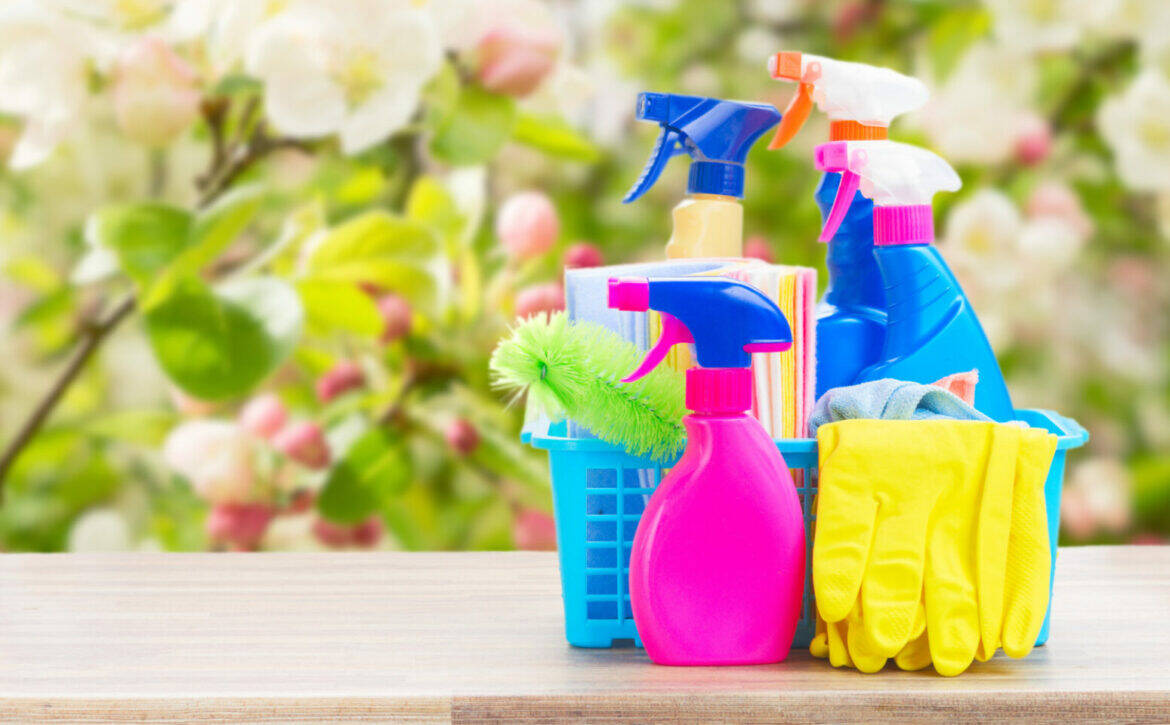
Spring Cleaning: How to Get Rid of Limescale

Spring is the perfect time to tackle those household chores that have been neglected over the winter months. One of the most common and difficult tasks is getting rid of limescale, which can build up in sinks, showers, and other areas around the home. Here are some tips on how to get rid of limescale and keep your home clean and sparkling this spring.


What Is Limescale?

Limescale is a hard, chalky deposit that forms when hard water evaporates. It is made up of minerals such as calcium and magnesium. Hard water contains higher levels of these minerals than soft water, so it is more likely to form limescale in areas where it evaporates.


How To Prevent Limescale Build-Up

In an ideal world, the best way to prevent limescale build-up is to use softer water whenever possible. This can be done by installing a salt softener, or even more simply with a Halcyan Water Conditioner. You could also use a descaling agent in your washing machine or dishwasher but these are less reliable and not a long-term solution, nor does it target other areas in the home that are affected by limescale. 


DIY Solutions For Removing Limescale

If you already have limescale build-up in your home, there are several DIY solutions you can try for removing it.


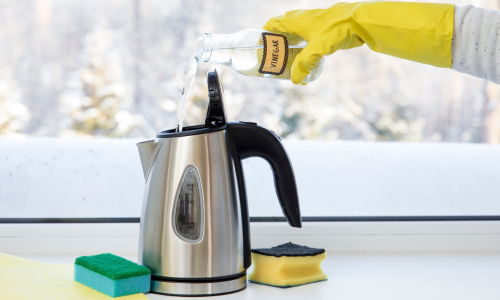
  1. Use white vinegar: Vinegar is a natural and effective solution for removing limescale. Simply mix equal parts of white vinegar and water in a spray bottle, and then spray the affected area. Leave the solution for 30 minutes before wiping the surface clean with a soft cloth.Descale with vinegar

2. Use lemon juice: Lemon juice is another natural solution that can effectively remove limescale. Squeeze fresh lemon juice into a spray bottle and then spray the affected area. Leave the solution for 30 minutes before wiping the surface clean with a soft cloth.


3. Use bicarbonate of soda: Bicarbonate of soda is a gentle abrasive that can help remove limescale. Mix a small amount of bicarbonate of soda with water to create a paste. Apply the paste to the affected area and scrub with a soft brush or sponge. Rinse the surface thoroughly with water.


4. Use white vinegar and bicarbonate of soda: Simply mix equal parts vinegar and bicarbonate of soda together into a paste and apply it directly onto the affected area with a sponge or cloth. Leave it for 10-15 minutes before scrubbing off.


5. Use commercial limescale removers: There are many commercial limescale removers available that can effectively remove limescale. These products usually contain acids such as phosphoric acid which help break down the mineral deposits quickly and easily without damaging surfaces or fixtures. Follow the instructions carefully, and wear gloves and eye protection when using these products. However if you’re environmentally conscious, you may wish to avoid these types of cleaning products and opt for sustainable preventative measures instead, such as a Halcyan.


Commercial Descaler


6. Prevent limescale build-up: The best way to remove limescale is to prevent it from building up in the first place. Use a water conditioner to change the way hard water behaves in your home, and regularly clean and maintain surfaces that come into contact with water.


Conclusion

Limescale can be an annoying and even costly problem, but with proper prevention methods and regular cleaning it doesn’t have to be too difficult to keep your home free from this chalky deposit this spring season!

We recommend eco-friendly and people-friendly methods for limescale removal. If you’d like to know more about reducing the limescale in your home and preventing it from forming in the future, get in touch with us to find out more about the Halcyan Water Conditioner.

You can explore our Knowledge Centre and find out how it works here or you can call our expert team on 0345 504 0656.


Why choose Halcyan?

Halcyan Water Conditioners is an industry-leading British company based in Bristol and our alloy-based solution to hard water is unique to the UK. We understand that limescale build up can be a frustrating and costly task with expensive cleaning agents not always guaranteed to work. Unlike most commercial limescale removers, our alloy-based Water Conditioner is an eco-friendly, people-friendly solution to hard water. It not only conditions the water in your home but also removes existing limescale from your pipes and appliances over time. With our 30 Year Warranty and our 12 Month Money Back Performance Guarantee, you can give your home the ultimate Spring Clean – worry free!

Learn More

Samantha
April 6, 2023
LimescaleHard Water

How Do You Know If Your Water Is Hard?

Water hardness is an important factor to consider when it comes to your home’s plumbing and water quality. Hard water can cause a number of problems, from clogged pipes to mineral build-up on fixtures and appliances. But how do you know if your water is hard? In this blog post, we’ll discuss the signs of hard water and how to treat it.


What Causes Hard Water?

Hard water is caused by the presence of minerals like calcium and magnesium in the water supply. These minerals are naturally occurring in many areas, but can be more concentrated in some areas than others. When these minerals dissolve in the water, they form a scale that can build up on fixtures and appliances over time.


Signs of Hard Water


  1. White Spots on Dishes and Glassware

One of the most obvious signs of hard water is the presence of white spots on your dishes and glassware. These spots are caused by mineral deposits that are left behind when water evaporates. You may also notice a film on the surface of your dishes that is difficult to remove.


2. Soap Scum in Your Shower

If you have hard water, you may notice a build-up of soap scum in your shower or bathtub. This scum is caused by the reaction of soap with the minerals in the water, and it can be difficult to remove.


Shower Soap Scum


3. Dry, Itchy Skin and Hair

Hard water is also believed to have a negative effect on your skin and hair. Many people with hard water report suffering from dry skin and hair, leaving them feeling itchy and uncomfortable. 


4. Limescale Build-Up

Limescale is a hard, chalky deposit that forms on surfaces that come into regular contact with hard water. It can form on a variety of surfaces, including kitchen and bathroom fixtures, pipes and appliances. It can cause a range of problems, including clogging of pipes, decreased water flow, and damage to appliances if left unchecked. You can find out about how limescale affects your boiler in our blog.

5. Stiff Laundry

Hard water can also affect your laundry. Clothes washed in hard water may feel stiff and scratchy, and they may not come out as clean as you would like. You may also notice that your white clothes start to look yellow or grey over time.


Testing for Hard Water

If you suspect that you have hard water, there are a few ways to test for it. The best way to determine if your water is hard is to have it tested by a professional. A professional will be able to measure the amount of calcium and magnesium present in the water supply and determine if it qualifies as “hard” according to industry standards. There are also test kits available for purchase online that will allow you to test your own water at home.

Treating Hard Water

If you have hard water, there are several steps you can take to address it. One of the most effective solutions is to install a water softener or conditioner – you can read about these different solutions in our previous blog. The Halcyan is a water conditioner. It doesn’t remove the hardness from water, but by conditioning it, the water behaves more as soft water does in your plumbing. The Halcyan not only prevents limescale building up in your appliances and plumbing, but it actually reduces the existing limescale over time.


Conclusion

If you’ve noticed white spots on your dishes, premature breakdown of your appliances, soap scum in your shower, or dry, itchy skin after bathing, you may have hard water. By taking steps to address hard water, you can improve the quality of your water and enjoy all the benefits that come with it.

Knowing whether or not you have hard water in your home is important for maintaining good plumbing health and preventing damage from mineral buildup over time. By being aware of the signs of hard water and treating it properly if needed, you can ensure that your home is protected for years to come!

If you’d like to find out more about the Halcyan Water Conditioner, you can explore our Knowledge Centre and find out how it works here. You can call our expert team on 0345 504 0656 for more information on whether you have hard water and how you can benefit from installing a Halcyan.


Why choose Halcyan?

Halcyan Water Conditioners is a British company based in Bristol and our alloy-based solution to hard water is unique to the UK. Unlike water softeners, our alloy-based Water Conditioner is an eco-friendly, people-friendly solution to hard water. With our 30 Year Warranty and our 12 Month Money Back Performance Guarantee, you protect your home now and into the future with Halcyan.

Learn More

Samantha
March 29, 2023
LimescaleWater ConditionersHard Water

Does Hard Water Cost More to Heat?

Water is essential for everyday life, but not all water is created equal. Hard water contains minerals like calcium and magnesium and while mineral-rich water has its benefits, it can cause a variety of problems for homeowners, including clogged pipes, build-up on fixtures, and even higher energy bills. So is it really true that hard water costs more to heat? Let’s take a closer look.


What Is Hard Water?

Hard water is simply water that has a high mineral content. These minerals are usually calcium and magnesium carbonates, but can also include iron, manganese, and sulphates. The amount of minerals in the water determines how hard it is – the more minerals present, the harder the water. Signs that you may have hard water include limescale build up on your appliances and surfaces (such as taps, shower heads and kettles). It appears as a hard, chalky deposit that can be extremely stubborn to remove and can cause many problems in the home.


How Does Hard Water Affect Heating Costs?

The minerals in hard water can have an impact on your energy bills because they reduce the efficiency of your hot water heater. Minerals build up on the heating elements of your water heater over time, reducing its ability to transfer heat into the water efficiently. This means that it takes more energy (and money) to heat up the same amount of hard water as it would soft water. So in short: Yes! Hard water does cost more to heat.


How Can You Reduce Heating Costs with Hard Water?


Energy costs


Fortunately, there are several ways you can reduce heating costs with hard water:


  1. Install a Water Conditioner: A Halcyan Water Conditioner will treat the water as it enters your home. This means that every drop of water in your house passes through the unit before it enters any appliance with a heating element. Not only will this reduce existing limescale in your appliances, it will continue to keep them limescale-free so they can work at maximum efficiency.
  2. Use Hot Water Efficiently: You can also reduce heating costs by using hot water as efficiently as possible – only running full loads in your dishwasher or washing machine, taking shorter showers, etc. This will help reduce how often you need to heat up hard water which will save you money in the long run. 
  3. Lower Your Hot Water Temperature: Lowering the temperature setting on your hot water heater will also help reduce heating costs with hard water since it takes less energy to heat up lower temperatures than higher ones.

Conclusion

So does hard water cost more to heat? Yes – due to mineral build-up on heating elements over time, it takes more energy (and money) to heat up hard water than soft water which can lead to higher energy bills over time if left unchecked. Fortunately there are several ways you can reduce these costs such as installing a Halcyan Water Conditioner or using hot water efficiently – so don’t let hard water get you down!


If you’d like to find out more about the Halcyan Water Conditioner, you can explore our Knowledge Centre and find out how it works here. You can call our expert team on 0345 504 0656 for more information on how you can heat your water for less, by installing a Halcyan.


Why choose Halcyan?

Halcyan Water Conditioners is a British company based in Bristol and our alloy-based solution to hard water is unique to the UK. As leaders in our industry, our mission is to help our customers save money, save energy and save the planet with our eco-friendly, people-friendly water conditioners. We take huge pride in our customer satisfaction and our testimonials speak for themselves. With our 30 Year Warranty and our 12 Month Money Back Performance Guarantee, you can put your trust into Halcyan Water Conditioners.

Learn More

Samantha
March 20, 2023
Water ConditionersWater Softeners & Water Softening SystemsHard Water

Which Water Softener Is Right for Me?

If you have hard water then you’ve no doubt noticed limescale in the home. While it’s not usually cause for any serious concern, it is unsightly and affects the efficiency of your appliances. Water Softeners have been the go-to solution for many years so if you’re wondering which solution is right for you then you’ve come to the right place!


When it comes to choosing a hard water treatment solution, there are a lot of factors to consider. From the size of your home to your budget and even your environmental goals, selecting the right product can be confusing. In this blog post, we’ll discuss the different types of hard water treatment solutions and what you should look for when making your decision.


So, what are the options?

Your hard water treatment options can be put into three categories: Water Softeners, Water Conditioners and Scale Inhibitors. They all work in different ways and with varying results, so it’s important you do your research before committing to any purchase.


As we mentioned before, Water Softeners (also known as Salt Softeners) are the traditional way of dealing with hard water. In comparison to other methods, they tend to be at the top end when it comes to expense, and they require regular salt top-ups for them to remain effective which adds to your ongoing costs. You can learn more about how Water Softeners work here.


A much lesser known solution is Water Conditioners. They come in a range of shapes and sizes which use different technologies. Because there is such a large range, pricing also varies, as does effectiveness. However, there are usually now ongoing maintenance costs associated with Water Conditioners which keeps the running cost low. You can find out more about Water Conditioners in this blog.

Last but not least, Scale Inhibitors are the third solution to hard water in the home. They are at the lower end of the scale when it comes to cost but they typically only protect one piece of equipment, not the entire home. For an overview of how Scale Inhibitors work, click here.


Factors to consider when choosing a hard water treatment solution


It’s important you thoroughly research the options before you commit to a hard water treatment solution. As we have already eluded to, there are three main types of solution which vary in cost, longevity and effectiveness. Here are some of the key points you should consider when researching the right solution for your home:


Type: As mentioned above, there are several types of water treatment solutions available on the market today. Consider which type best suits your needs before making your decisio

Cost: Different types of units come with different price tags so be sure to factor cost into your decision-making process.

Size: Scale Inhibitors are small devices which are fitted to each individual appliance, Water Conditioners are typically in-line devices that are plumed into your incoming water supply, while Water Softeners are usually much larger and may even require an entire cupboard to house them.

Maintenance: Some units require more maintenance than others so be sure to research how much maintenance each type requires before making your purchase.

Lifespan: The lifespan of hard water treatment options varies greatly, from just a few years up to 30+ years.

Environmental Goals: If you’re concerned about the environmental impact of your hard water solution, you may wish to avoid Water Softeners which use salt and expel briny effluent into the watercourse.

Conclusion

Choosing the right solution for your home can be tricky but with some research and consideration you can find one that meets all your needs and fits within your budget. Be sure to take into account size, type, cost and maintenance when making your decision so that you get the most out of your purchase.

To find out if the Halcyan Water Conditioner is right for you, call our expert team for free advice on 0345 504 0656.

Learn More

Samantha
  • 1
  • 2
  • 3
  • 4
  • …
  • 6
Categories
  • Cleaning
  • Soft Water
  • Limescale
  • Construction
  • Energy
  • News & Events
  • Magnetic
  • Health
  • Uncategorized
  • Carbon
  • Water Conditioners
  • Water Softeners & Water Softening Systems
  • Charities
  • Sustainability and the Environment
  • Hard Water
  • Cost
  • hard water areas
The Halcyan
Which Size Is Right For You
The System Explained
How To Install
Contact Us
Why Us
About Us
Testimonials
Clients & Partners
Useful Links
FAQ's
Shop
Policies
14 Day Cancellation Policy
Privacy Policy
Warranty & Guarantee
Newpay FAQ
Halcyan water conditioners logo

Eco-loving, people friendly, the Intelligent Solution you’ve been looking for to your hard water, limescale problem.

We improve our products and advertising by using Microsoft Clarity to see how you use our website. By using our site, you agree that we and Microsoft can collect and use this data.

We improve our products and advertising by using Microsoft Clarity to see how you use our website. By using our site, you agree that we and Microsoft can collect and use this data.We improve our products and advertising by using Microsoft Clarity to see how you use our website. By using our site, you agree that we and Microsoft can collect and use this data.We improve our products and advertising by using Microsoft Clarity to see how you use our website. By using our site, you agree that we and Microsoft can collect and use this data.Halcyan Ltd is an Introducer Appointed Representative of Pay4Later Limited, trading as Deko, which is authorised and regulated by the Financial Conduct Authority (FRN 728646). Deko is a credit broker, not a lender and does not charge you for credit broking services. We will introduce you exclusively to Newpay finance products provided by NewDay Limited under this Introducer Appointed Representative arrangement. Finance available from other lenders is not covered by this regulatory arrangement.We improve our products and advertising by using Microsoft Clarity to see how you use our website. By using our site, you agree that we and Microsoft can collect and use this data.

Copyright © Halcyan Water Conditioners SA. Powered by Tomorrow Media.

#softlab_button_69e975489b528 .wgl_button_link { color: rgba(255,255,255,1); }#softlab_button_69e975489b528 .wgl_button_link:hover { color: rgba(0,101,128,1); }#softlab_button_69e975489b528 .wgl_button_link { border-color: rgba(0,101,128,1); background-color: rgba(0,101,128,1); }#softlab_button_69e975489b528 .wgl_button_link:hover { border-color: rgba(0,101,128,1); background-color: rgba(255,255,255,1); }#softlab_button_69e975489ef35 .wgl_button_link { color: rgba(255,255,255,1); }#softlab_button_69e975489ef35 .wgl_button_link:hover { color: rgba(255,255,255,1); }#softlab_button_69e975489ef35 .wgl_button_link { border-color: rgba(124,82,156,1); background-color: rgba(193,39,45,1); }#softlab_button_69e975489ef35 .wgl_button_link:hover { border-color: rgba(124,82,156,1); background-color: rgba(193,39,45,1); }#softlab_button_69e97548a8e06 .wgl_button_link { color: rgba(255,255,255,1); }#softlab_button_69e97548a8e06 .wgl_button_link:hover { color: rgba(0,101,128,1); }#softlab_button_69e97548a8e06 .wgl_button_link { border-color: rgba(0,101,128,1); background-color: rgba(0,101,128,1); }#softlab_button_69e97548a8e06 .wgl_button_link:hover { border-color: rgba(0,101,128,1); background-color: rgba(255,255,255,1); }#softlab_button_69e97548aacbc .wgl_button_link { color: rgba(255,255,255,1); }#softlab_button_69e97548aacbc .wgl_button_link:hover { color: rgba(255,255,255,1); }#softlab_button_69e97548aacbc .wgl_button_link { border-color: rgba(124,82,156,1); background-color: rgba(193,39,45,1); }#softlab_button_69e97548aacbc .wgl_button_link:hover { border-color: rgba(124,82,156,1); background-color: rgba(193,39,45,1); }@media only screen and (max-width: 768px){ #softlab_spacer_69e97548d00ac .spacing_size{ display: none; } #softlab_spacer_69e97548d00ac .spacing_size-tablet{ display: block; } }#softlab_soc_icon_wrap_69e97548d50c0 a{ background: #ffffff; border-color: #ffffff; }#softlab_soc_icon_wrap_69e97548d50c0 a:hover{ background: #ffffff; border-color: #84dade; }