
Soft Water, Long Life: The Hidden Benefits for Appliances and the Planet

In the quest for a more sustainable and efficient home, we often overlook the impact of water quality on our appliances. A recent study by the Water Quality Research Foundation has uncovered a fascinating revelation: appliances using soft water enjoy a 30-50% longer lifespan. Not only that, but the efficiency gains extend further—these appliances don’t have to work as hard, resulting in a potential 27% reduction in energy use. In this blog we explore the advantages of soft water on household appliances and celebrate a zero-energy solution to hard water. Let’s delve into the details of this eco-friendly revelation.


The Soft Water Advantage: Prolonging Appliance Lifespan

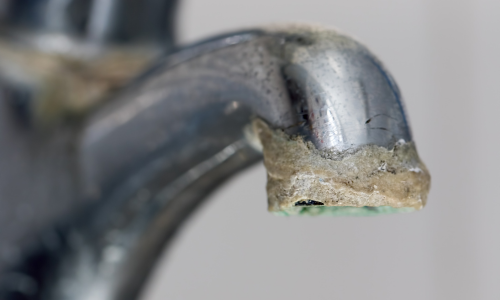
Hard water, laden with minerals like calcium and magnesium, can wreak havoc on our appliances over time. The build-up of limescale not only diminishes efficiency but also shortens the lifespan of our valuable devices. The Water Quality Research Foundation’s findings highlight a simple yet powerful solution: soft water. Appliances that operate with soft water enjoy a significantly longer life, a victory for both homeowners and the environment.
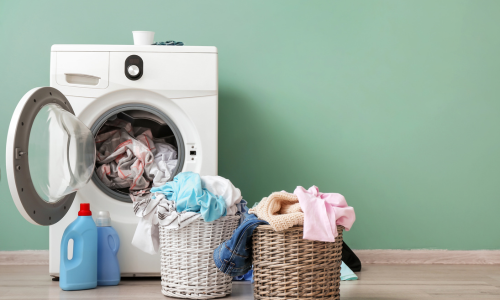
zero-energy solution

Efficiency Unleashed: The Energy-Saving Potential

Beyond the extended lifespan of appliances, the study reveals another compelling aspect of using soft water—efficiency gains that translate into energy savings. Appliances operating with soft water don’t have to exert as much effort to overcome the challenges posed by limescale build-up. This reduced workload can lead to a remarkable 27% reduction in energy consumption, contributing not only to lower utility bills but also to a smaller carbon footprint.


The Zero-Energy Solution: Halcyan Water Conditioner

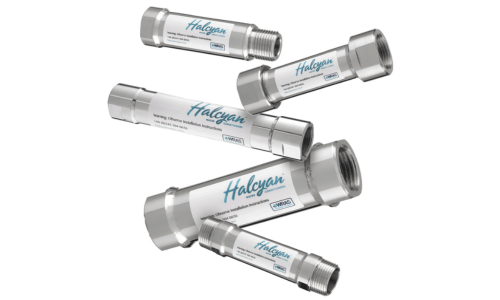
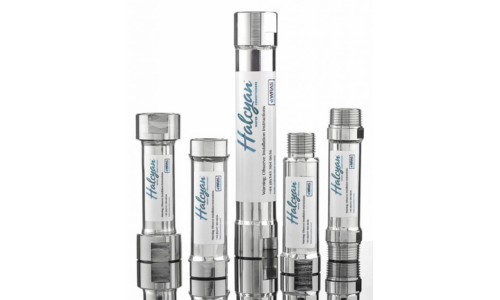
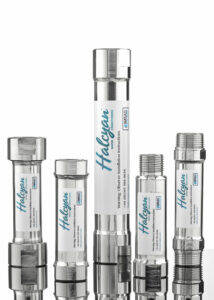
Taking the green initiative a step further, our solution for prolonging the lifespan of household appliances is the Halcyan Water Conditioner. What sets this device apart is its ability to achieve soft water without consuming any energy. In a world where environmental consciousness is paramount, the zero-energy aspect of Halcyan Water Conditioners is a game-changer. Homeowners can now enjoy the benefits of soft water without contributing to additional energy consumption.


Making the Sustainable Choice:

  • Long-Term Cost Savings: While the initial investment in a soft water solution may seem daunting, the long-term benefits in terms of extended appliance life and reduced energy bills make it a financially savvy choice.
  • Environmental Impact: The collective impact of using soft water and energy-efficient appliances is a step towards a more sustainable future. It’s a small change at the individual level that can contribute to broader environmental conservation efforts.
  • Zero-Energy Solutions: Embracing technologies like the Halcyan Water Conditioner not only addresses the limescale issue but does so without adding to our energy consumption. It’s a win-win for homeowners looking to go green without compromising on comfort.


Conclusion

As we strive to build homes that align with the principles of sustainability, the role of water quality in our daily lives cannot be overstated. The Water Quality Research Foundation’s study underscores the profound impact of soft water on both appliance longevity and energy efficiency. By opting for a soft water solution and embracing zero-energy technology like the Halcyan Water Conditioner, homeowners can make choices that benefit not only their wallets but also the health of the planet. It’s a small change that carries significant rewards for the environment and future generations.


If you’d like to find out more about the Halcyan Water Conditioner, you can explore our Knowledge Centre and find out how it works here. You can call our expert team on 0345 504 0656 for more information on how you, your home and your appliances can benefit from installing a Halcyan.


Why Choose Halcyan?

Halcyan Water Conditioners is a British company based in Bristol and our alloy-based solution to hard water is unique to the UK. Our Water Conditioner is an eco-friendly, people-friendly solution to hard water and promoting the lifespan of household appliances! With our 30 Year Warranty and our 12 Month Money Back Performance Guarantee, the Halcyan is the perfect zero-energy solution!

Learn More
Get Your Shine Back: How to Clean Limescale Off Stainless Steel

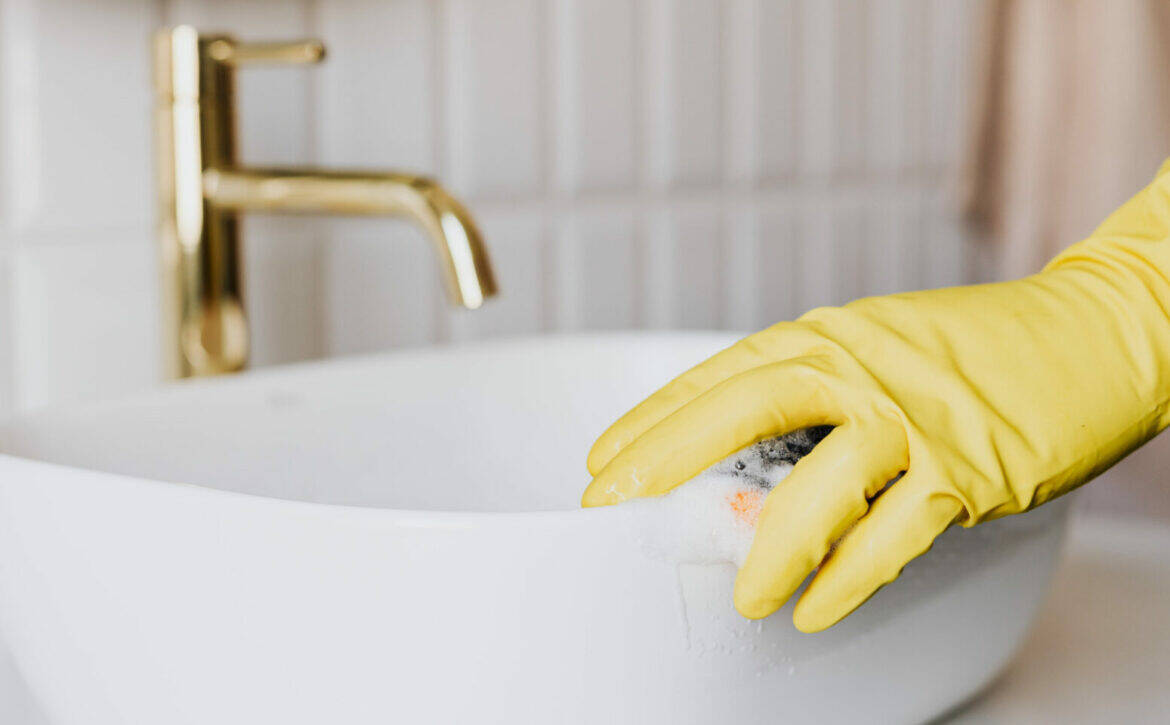
Stainless steel is a popular choice for kitchen appliances, sinks, and fixtures due to its sleek and modern look. However, one downside is that it can develop limescale deposits over time, especially in areas with hard water. These mineral deposits can make your stainless steel items appear dull and unsightly. But fear not, for in this blog, we’ll explore effective methods to clean limescale off stainless steel and restore its shine.


Why Limescale Forms on Stainless Steel

Limescale is primarily composed of calcium and magnesium deposits from hard water. When water with a high mineral content evaporates on stainless steel surfaces, it leaves behind these mineral residues, resulting in the tell-tale cloudy or chalky build-up.


Materials You’ll Need:

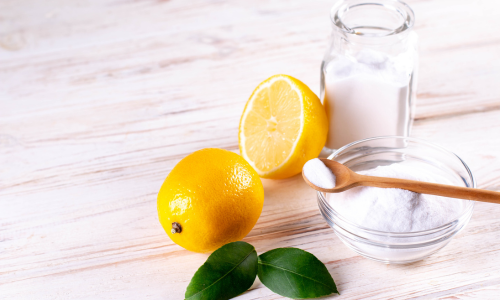
  • White vinegar or lemon juice
  • Baking soda
  • Soft cloths or sponges
  • A microfiber cloth
  • A bowl or spray bottle

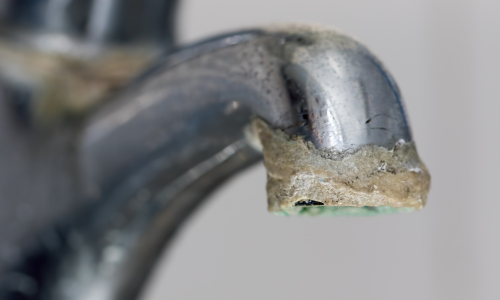
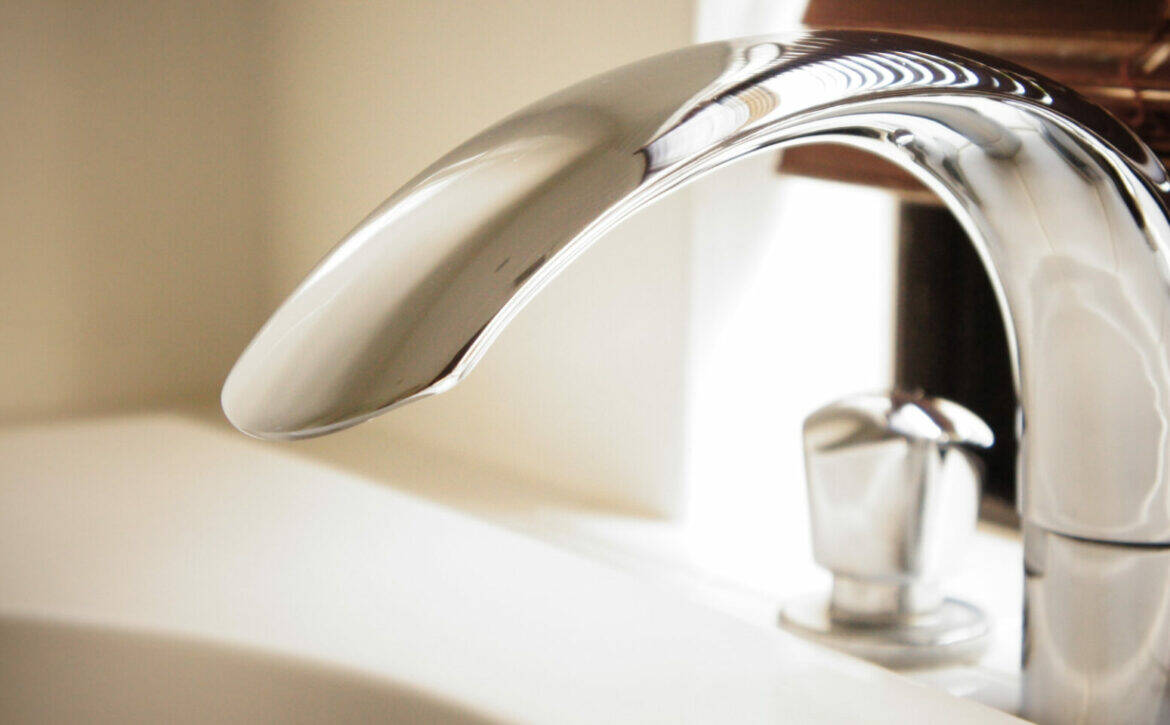
how to get limescale off stainless steel


Cleaning Methods:

Method 1: Vinegar or Lemon Juice Soak

Prepare a Vinegar or Lemon Juice Solution:

  • In a bowl or spray bottle, mix equal parts white vinegar or lemon juice and water. If you have a severe limescale problem, you can use the undiluted solution.

Apply the Solution:

  • Spray or soak a soft cloth or sponge in the solution, and then place it on the limescale-affected area.

Allow Soaking:

  • Let the cloth or sponge sit on the limescale for about 10-15 minutes. This gives the acid time to break down the mineral deposits.

Gently Scrub:

  • After soaking, use the cloth or sponge to gently scrub the limescale. The deposits should start coming off. If necessary, repeat this process.

Rinse and Dry:

  • Rinse the stainless steel with water to remove any residue. Dry it thoroughly with a clean, dry microfiber cloth to prevent new water spots.


Method 2: Bicarbonate of Soda Paste

Make a Bicarbonate of Paste:

Apply the Paste:

  • Apply the bicarbonate of soda paste to the limescale-affected areas. Ensure you cover the deposits evenly.

Let It Sit:

  • Allow the paste to sit for about 15 minutes.

Gentle Scrubbing:

  • Use a soft cloth or sponge to gently scrub the paste on the stainless steel. The bicarbonate of soda will help lift the limescale.

Rinse and Dry:

  • Rinse the stainless steel with water and wipe it dry with a clean, dry microfiber cloth.


Method 2: Prevention

  • Wipe down stainless steel surfaces regularly to prevent limescale build-up.
  • Apply a stainless steel polish or protective spray to help prevent future limescale and maintain a shine.


Is There a Better Way to Remove Limescale?

Thankfully yes! An innovative solution to consider for limescale prevention is a Halcyan Water Conditioner. The Halcyan uses a unique physical water treatment method that doesn’t involve chemicals, salt, or electricity. Instead, it relies on the principles of fluid dynamics to alter the structure and behaviour of mineral ions in the water.

Halcyan Water ConditionerThese altered ions are less prone to forming limescale deposits on surfaces, appliances, and plumbing fixtures. Instead of accumulating as solid deposits, they tend to remain in suspension in the water, reducing the risk of limescale build-up. The best news? The Halcyan Water Conditioner will also remove existing limescale from your home over time!
 

Conclusion

Cleaning limescale off stainless steel can be accomplished using simple household items like vinegar, lemon juice, and bicarbonate of soda. Regular maintenance and prevention measures can also help keep your stainless steel looking its best. Preventing limescale with a Halcyan Water Conditioner is a proactive and eco-friendly approach to maintaining your home’s plumbing and appliances. The Halcyan Water Conditioner offers a preventive solution that reduces limescale formation from the start, saving you time, effort, and money while ensuring a more efficient and sustainable home. Consider it as an investment in the long-term health and performance of your household water systems.


If you’d like to find out more about the Halcyan Water Conditioner, you can explore our Knowledge Centre and find out how it works here. You can call our expert team on 0345 504 0656 for more information on the effects of hard water on stainless steel and how you can benefit from installing a Halcyan.


Why choose Halcyan?

Halcyan Water Conditioners is a British company based in Bristol and our alloy-based solution to hard water is unique to the UK. Our Water Conditioner is an eco-friendly, people-friendly solution to hard water! If you’re fed up with limescale dulling your shine and believe you’ve tried every method to remove it, get in touch with us to see how our Halcyan Water Conditioner can help.

Learn More

From Installation to Enjoyment: A Comprehensive Guide to the Halcyan Water Conditioner

Are you tired of dealing with the consequences of hard water in your home? You need to consider installing a Halcyan Water Conditioner, a revolutionary solution designed to combat limescale buildup and improve water quality. In this comprehensive guide, we’ll take you through the entire journey of selecting, installing, and enjoying the benefits of a Halcyan Water Conditioner. From understanding the technology behind these devices to the many benefits provided, let’s dive right in!


Understanding the Halcyan Water Conditioner

Halcyan Water Conditioners are a game-changer in the world of water treatment. Unlike traditional water softeners that use salt or chemicals, Halcyan Conditioners rely on a patented alloy to treat water without adding anything harmful. The alloy modifies the structure of dissolved minerals, reducing limescale formation and other issues caused by hard water. This is a simple change to the way water behaves in your home so no minerals are actually removed from the water when you install a Halcyan. This innovative approach makes Halcyan Conditioners not only effective but also an eco-friendly home improvement.


Assessing Your Water Conditioner Needs

Before purchasing a Halcyan Water Conditioner, it’s essential to assess your water quality and the specific issues you want to address. You may already be aware of the presence of hard water in your home as it tends to leave plenty of evidence! But if you’re unaware, you can start by testing your water’s hardness level using a home testing kit or seeking assistance from a professional. Additionally, consider factors such as water consumption, the number of appliances in your home, and your budget. Our short quiz will help you choose the right Halcyan Water Conditioner model for your household.


Selecting the Perfect Halcyan Water Conditioner

Halcyan offers various models to suit different household sizes and situations. Explore our product range to find the best fit for your needs. Got a boat or a motorhome? We’ve got you covered with our ‘Leisuremodel. Teenagers going away to university? Yep – we’ve got one for that too!


Installation Made Easy

Installing a Halcyan Water Conditioner is a straightforward process that can be accomplished by any DIY enthusiast, your usual plumber or an approved installer. The package includes detailed instructions, and you can also find helpful video tutorials on our website. Generally, installation involves attaching the conditioner to your home’s main water supply line. If you prefer professional installation, contact a qualified plumber experienced in working with water conditioners.


Enjoying the Benefits of Halcyan Water Conditioners

Once the Halcyan Water Conditioner is installed, you can begin experiencing the multitude of benefits it offers. Say goodbye to unsightly limescale buildup on taps, showerheads, and appliances. Enjoy the feeling of conditioned water on your skin and hair. Your glassware and dishes will sparkle, and household appliances will operate more efficiently, saving you money on energy bills and repair costs.


Maintaining Your Halcyan Water Conditioner

Fortunately, maintenance is minimal and straightforward. We are proud to be a ‘fit and forget’ solution to hard water. Halcyan Water Conditioners are preferred by many homeowners due to the system’s low maintenance requirements.


Conclusion

In conclusion, Halcyan Water Conditioners are a reliable and eco-friendly solution to combat hard water issues in your home. From installation to enjoying the remarkable benefits, the entire process is smooth and rewarding. By investing in a Halcyan, you’ll protect your appliances, save on maintenance costs, and experience effortlessly conditioned water.


So, why wait any longer? Upgrade your home’s water quality with a Halcyan Water Conditioner and enjoy a lifetime of softened water. Experience the magic of Halcyan and bid farewell to hard water woes!


If you’d like to find out more about the Halcyan Water Conditioner, you can explore our Knowledge Centre and find out how it works here. You can call our expert team on 0345 504 0656 for more information on how to enjoy a limescale-free home, by installing a Halcyan.

Learn More

How To Get Rid of Hard Water Stains: Removal and Prevention.

Hard water is a common issue in many households, usually leaving behind unsightly stains on fixtures, appliances, and surfaces. These stains are caused by the high mineral content present in hard water, especially  calcium and magnesium. While hard water stains can be frustrating, the good news is that there are effective ways to remove them and prevent their recurrence. In this blog post, we will explore some practical methods to tackle hard water stains and provide tips to keep your home looking clean and sparkling.


Understanding Hard Water Stains

Before we dive into the removal techniques, it’s essential to understand what hard water stains are and how they form. Where any appliance uses water, it’s inevitable there will be some splashing over different surfaces. When hard water evaporates, the minerals it contains are left behind as residue. Over time, this residue accumulates on surfaces, subsequently resulting in the formation of stubborn stains. Common areas where these stains appear include taps, showerheads, sinks, toilets, glass shower doors, and even kitchen appliances like coffee makers and kettles. Although you may regularly see the stains left from hard water evaporating, it’s important to remember that much of the damage done by hard water is often hidden from view.


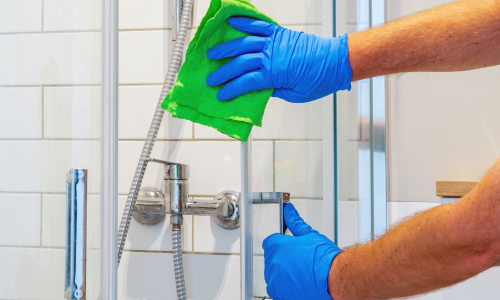
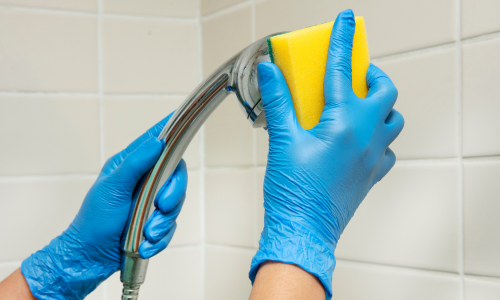
Removing hard water stains from a shower screen


Removing Hard Water Stains

Vinegar Solution:

  • Mix equal parts white vinegar and water in a spray bottle.
  • Spray the solution onto the stained surface and let it sit for a few minutes.
  • Scrub the stain using a soft brush or cloth.
  • Rinse the area thoroughly with water and wipe it dry.


Lemon Juice:

  • Cut a lemon in half and rub it directly on the stain.
  • Let the lemon juice sit on the stain for a few minutes.
  • Use a sponge or cloth to scrub the area gently.
  • Rinse with water and wipe dry.


Bicarbonate of Soda Paste:

  • Make a paste by mixing baking soda with water.
  • Apply the paste to the stained surface and let it sit for about 15 minutes.
  • Scrub the area with a brush or sponge.
  • Rinse well with water and dry the surface.


Preventing Hard Water Stains

Regular Cleaning:

  • Wipe down surfaces prone to hard water stains regularly to prevent mineral buildup.
  • Use a microfiber cloth or a squeegee after every use to remove excess water from glass shower doors, taps, and countertops.


Water Conditioner:

  • Install a Halcyan Water Conditioner to treat hard water before it enters your home’s plumbing system. This can help prevent the formation of mineral deposits while simultaneously removing existing limescale over time.


Protective Coatings:

  • Apply a protective coating or sealant on surfaces such as glass shower doors and bathroom tiles to create a barrier against mineral deposits. Although this may protect your home, mineral deposits may still form on the protective coating.


Vinegar Rinse:

  • After cleaning, rinse glassware, showerheads, and taps with a vinegar-water solution to remove any remaining mineral residue.


Conclusion

Hard water stains can be stubborn, but with the right techniques and preventive measures, you can keep your home free from these unsightly blemishes. Remember to tackle stains promptly and establish a regular cleaning routine to prevent their recurrence. By implementing these tips, you can enjoy a cleaner and more visually appealing home, free from the frustrations of hard water stains.


While there are many methods of removing and preventing hard water stains in your home, in reality it can be a time-consuming and often futile task. That’s why the Halcyan Water Conditioner is the perfect overall solution to hard water stains!


If you’d like to find out more about the Halcyan Water Conditioner, you can explore our Knowledge Centre and find out how it works here. You can call our expert team on 0345 504 0656 for more information on how you can keep your home sparkling clean, by installing a Halcyan.


Why choose Halcyan?

Halcyan Water Conditioners is a British company based in Bristol and our alloy-based solution to hard water is unique to the UK. As leaders in our industry, our mission is to help our customers reduce the impact of hard water on their homes, saving money, saving energy and saving the planet with our eco-friendly, people-friendly water conditioners. We take huge pride in our customer satisfaction and consequently our testimonials speak for themselves. With our 30 Year Warranty and our 12 Month Money Back Performance Guarantee, you can say goodbye to hard water stains for good!

Learn More

Is a Water Conditioner Better than a Water Softener? A Comprehensive Comparison

Water quality is an essential aspect of our daily lives, impacting everything from our health to the longevity of our appliances. In the UK, many households struggle with hard water, which contains high levels of minerals like calcium and magnesium. The solution? Water treatment systems such as water softeners and water conditioners. But which one is better? Let’s delve into this topic and find out which is the best water conditioner for you.


Understanding Hard Water Problems

Before we compare water conditioners and softeners, it’s crucial to understand why hard water can be problematic. Hard water can lead to scale build-up in your pipes and appliances, reducing their efficiency and lifespan. It’s also believed to affect your skin and hair health, making them dry and dull.


Moreover, hard water can make cleaning tasks more challenging as it doesn’t lather well with soap or detergent. These issues have led many homeowners to seek solutions like water softeners or conditioners.


The Water Softener: A Traditional Solution

Water softeners have been around for decades, providing a time-tested solution for hard water problems. They typically work by replacing the calcium and magnesium ions in hard water with sodium ions through a process called ion exchange.


This process effectively reduces the hardness level of your water, preventing scale build-up in your pipes and appliances. It also improves lathering with soap, leading to better cleaning results.


However, there are some drawbacks to using a traditional water softener. For one, they require regular maintenance including salt refills and system cleanings. Additionally, they increase sodium content in your household’s wastewater which may not be environmentally friendly. In our previous blogs, we discuss some of the issues with traditionally softened water, such as watering the garden and the need to install a separate drinking water tap.


The Water Conditioner: A Modern Alternative

In contrast to traditional softeners, water conditioners are a newer technology designed to tackle hard water problems without adding sodium to your household’s wastewater stream. Instead of removing calcium and magnesium ions from the hard water like softeners do; conditioners alter these minerals’ behaviour so they don’t stick to surfaces – effectively preventing scale build-up.


One significant advantage of using a conditioner over a softener is that it requires less maintenance since there’s no need for salt refills or regular maintenance. Furthermore, because it doesn’t add sodium to your wastewater stream, it’s considered much more eco-friendly than traditional softeners.


So is a Water Softener or Water Conditioner Better?

The answer depends on what you value most in a hard-water treatment system. If you want an established solution that guarantees softer water and you don’t mind regular maintenance or increased sodium content in your wastewater; then a traditional softener might be right for you.


On the other hand; if you prefer an eco-friendly option that requires less maintenance but still effectively prevents scale build-up; then consider investing in one of the most sustainable water conditioner UK options available on the market today. The Halcyan Water Conditioner is an easy ‘fit and forget’ solution to hard water that ensures your home is protected for decades to come.


Halcyan Water Conditioner


Final Thoughts

In conclusion; both systems have their pros and cons when dealing with hard-water problems at home. Your choice between a conditioner or softener should depend on your specific needs; preferences; budget; as well as environmental considerations.


Remember that while both systems can help prevent scale build-up in pipes and appliances; only modern conditioners will ensure a maintenance-free solution that is also good for the environment – something worth considering if this is important for you.


Regardless of which system you choose; remember that improving your home’s water quality is an investment not just for preserving your appliances’ lifespan but also for enhancing you and your family’s overall wellbeing and happiness.


If you’d like to find out more about the Halcyan Water Conditioner, you can explore our Knowledge Centre and find out how it works here. You can call our expert team on 0345 504 0656 for more information on whether you have hard water and how you can benefit from installing a Halcyan.


Why choose Halcyan?

Halcyan Water Conditioners is a British company based in Bristol and our alloy-based solution to hard water is unique to the UK. Unlike water softeners, our alloy-based Water Conditioner is an eco-friendly, people-friendly solution to hard water. With our 30 Year Warranty and our 12 Month Money Back Performance Guarantee, you protect your home now and into the future with Halcyan.

Learn More

What Causes Low Water Pressure and How Do I Fix It?

Low water pressure can be a frustrating problem that hampers everyday activities such as showering, filling the bath, washing dishes, and watering the garden. Understanding the underlying causes and implementing appropriate solutions can help restore adequate water pressure. In this blog post, we will explore common reasons for low water pressure and provide effective remedies to address the issue.


Water Supply Problems

In some cases, low water pressure may be attributed to factors beyond your control, such as water supply issues:

  1. Water Main Bursts: A burst water main in the vicinity can result in decreased water pressure throughout the area. Contact your local water company to report the issue and inquire about the expected resolution time.
  2. Water Demand/Peak Times: During periods of high water demand, such as mornings or evenings, water pressure may temporarily decrease. Consider adjusting your usage schedule or installing a water booster pump to mitigate this issue.


Faulty Pressure Regulator

A water pressure regulator, also known as a pressure-reducing valve (PRV), is a device that controls and maintains water pressure in a plumbing system. It is installed between the main water supply line and the internal plumbing. The regulator consists of a spring-loaded diaphragm mechanism that adjusts water flow. A malfunctioning pressure regulator can cause low water pressure in your home. Locate the pressure regulator, usually located near the mains water stop valve, and check if it is set to the appropriate pressure level (between 40-80 psi). If it is not adjustable or appears defective, consult a professional plumber to replace the regulator.


Partially Closed Valves

Ensure that all valves, including the main stop valve, are fully open. Sometimes, valves can accidentally be left partially closed, leading to reduced water pressure. Verify that all valves are fully open to restore adequate water flow.


Fixing low water pressure


Plumbing System Issues

One of the primary causes of low water pressure is plumbing system problems. These issues can include:

  1. Leaks: Leaking pipes can result in reduced water pressure. Even small leaks can have a significant impact over time. Inspect visible pipes for signs of leaks, such as dampness, mould growth, or water stains, and repair or replace the damaged sections promptly.
  2. Corrosion: Over time, pipes can corrode due to chemical reactions with the water or soil. Corrosion can restrict water flow and cause low pressure. If you have older pipes or live in an area with corrosive water, consider having a professional plumber inspect your pipes for corrosion and replace them if necessary.
  3. Clogged Pipes: Mineral deposits, sediment, or debris can accumulate and clog pipes, restricting water flow. This can be caused by factors such as hard water or ageing plumbing systems. Flushing the pipes or using specialised cleaning solutions can help remove the blockages and restore water pressure.


How Can Halcyan Help?

Limescale, also known as calcium carbonate, can accumulate over time in plumbing pipes and fixtures. This buildup can significantly impact water flow, leading to low water pressure. Limescale is particularly common in areas with hard water, which contains high mineral content. If you believe that your low water flow is due to limescale build up, installing a Halcyan Water Conditioner is an ideal solution. With a simple ‘fit and forget’ installation, the Halcyan conditions water entering your home, ensuring that it behaves as soft water does, leaving no mineral deposits in your plumbing and appliances. The Halcyan also removes existing limescale build up and over time will ensure that your water is flowing as it should be.


Conclusion

Low water pressure can significantly impact daily activities, but identifying the root causes and implementing appropriate solutions can help rectify the issue. Plumbing system problems such as leaks, corrosion, and clogged pipes are common culprits that can be resolved through repairs or cleaning. Water supply issues can be reported to the local authorities, while faulty pressure regulators may require professional attention. Additionally, checking and ensuring all valves are fully open is a simple step that can restore water pressure. By understanding the causes and implementing the appropriate fixes, you can enjoy consistent and adequate water pressure in your home.


If you’d like to find out more about the Halcyan Water Conditioner, you can explore our Knowledge Centre and find out how it works here. You can call our expert team on 0345 504 0656 for more information on how you, your home and your garden can benefit from installing a Halcyan.


Why choose Halcyan?

Halcyan Water Conditioners is a British company based in Bristol and our alloy-based solution to hard water is unique to the UK. Unlike water softeners, our alloy-based Water Conditioner is an eco-friendly, people-friendly solution to hard water and ensuring good water flow in your home. With our 30 Year Warranty and our 12 Month Money Back Performance Guarantee, the Halcyan is the perfect ‘fit and forget’ solution!

Learn More

Why Should You Avoid Using Softened Water on Your Garden?

Gardening is a popular hobby for many people, and it can be a great way to relax and enjoy the outdoors. However, if you’re not careful about what kind of water you use in your garden, you could end up doing more harm than good. To combat the issue of hard water in the home, some people choose to install a water softener. Softened water is one type of water that should be avoided when it comes to gardening. Here’s why:


The Effects of Softened Water on Soil Quality

Softened water contains higher levels of sodium, which can have a detrimental effect on the quality of your soil. When sodium is added to soil, it can cause the soil to become compacted and unable to retain moisture or nutrients. This can lead to poor plant growth and even death in some cases. Additionally, sodium can also make it difficult for beneficial microorganisms to thrive in the soil, leading to further problems with plant health.

The Impact on Plant Health


Plant Health


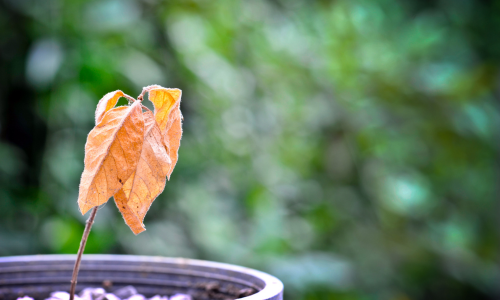
Softened water can also have a negative impact on the health of your plants. The higher levels of sodium in softened water can cause plants to become dehydrated and stressed out due to an inability to absorb moisture from the soil. This can lead to wilting, yellowing leaves, and stunted growth in some cases. Furthermore, softened water may also contain other chemicals such as chlorine or fluoride which are not beneficial for plants and may even be toxic in large amounts.


The Risk of Algae Growth

Softened water is also known for promoting algae growth due to its higher levels of sodium and other minerals. Algae growth can be unsightly and may even lead to oxygen deprivation in ponds or other bodies of water that are used for irrigation purposes. Additionally, algae blooms are often accompanied by unpleasant odors which may make gardening less enjoyable for some people.


Is There a Solution?

Thankfully, yes! There are a number of solutions that enable you to use your tap water in the garden:


  • Install a Separate Tap:

If you have a water softener installed, it’s a good idea to also install a separate drinking water tap. This ensures that the water you drink is completely safe and therefore will also be safe to use in your garden. You can read all about installing a drinking water tap in our previous blog.


  • Use Bottled or Filtered Water:

This may be a solution for every now and again but isn’t ideal for the environment or your wallet.


  • Use Rainwater:


Rainwater water butt


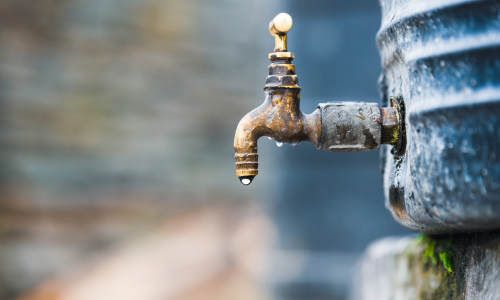
A great way to ensure that your plants are getting safe water is to collect the rainwater with a water butt. This will mean that you always have a good quantity of water available. If you have a water softener installed, you will need to wait for your water butt to become full (which may take some time in the driest months of the year) as you won’t be able to fill it from your water supply.


  • Install a Water Conditioner:

If you’re looking for a solution to hard water but you’re worried about the effects of a water softener on your water supply, there is an alternative. A Halcyan Water Conditioner is a simple ‘fit and forget’ solution to hard water that has no negative effect on your tap water. Unlike water softeners, it doesn’t remove the minerals from water or affect sodium levels but conditions the water through a unique alloy which makes it behave just as soft water does in your home.


Conclusion

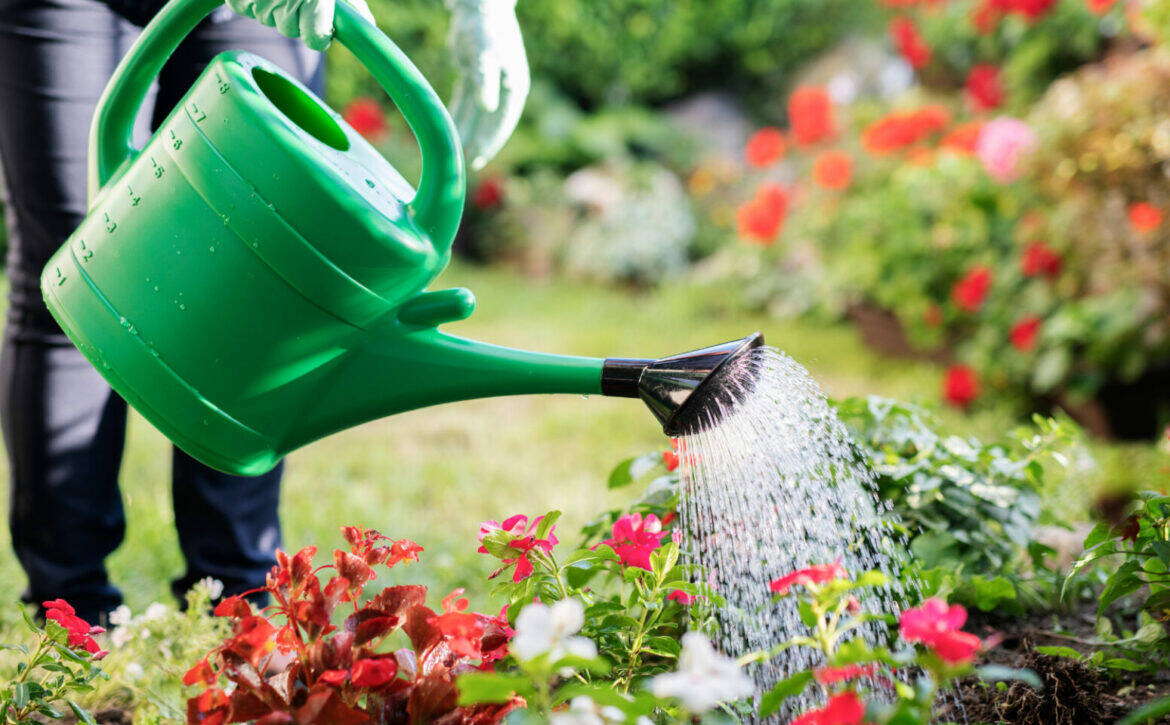
Generally speaking, it’s best to avoid using softened water when gardening or irrigating your garden beds. You may be able to use softened water on occasion around the garden but it’s definitely not advised to do this regularly or over a prolonged period. There are plenty of other sources of clean water available that won’t have such a negative impact on your soil quality or plant health. Doing so will help ensure that your garden stays healthy and beautiful for years to come!


If you’d like to find out more about the Halcyan Water Conditioner, you can explore our Knowledge Centre and find out how it works here. You can call our expert team on 0345 504 0656 for more information on how you, your home and your garden can benefit from installing a Halcyan.


Why choose Halcyan?

Halcyan Water Conditioners is a British company based in Bristol and our alloy-based solution to hard water is unique to the UK. Unlike water softeners, our alloy-based Water Conditioner is an eco-friendly, people-friendly solution to hard water and your water supply will be perfectly fine to drink and to use in the garden. With our 30 Year Warranty and our 12 Month Money Back Performance Guarantee, the Halcyan is the perfect ‘fit and forget’ solution whilst giving you peace of mind.

Learn More

How Do You Know If Your Water Is Hard?

Water hardness is an important factor to consider when it comes to your home’s plumbing and water quality. Hard water can cause a number of problems, from clogged pipes to mineral build-up on fixtures and appliances. But how do you know if your water is hard? In this blog post, we’ll discuss the signs of hard water and how to treat it.


What Causes Hard Water?

Hard water is caused by the presence of minerals like calcium and magnesium in the water supply. These minerals are naturally occurring in many areas, but can be more concentrated in some areas than others. When these minerals dissolve in the water, they form a scale that can build up on fixtures and appliances over time.


Signs of Hard Water


  1. White Spots on Dishes and Glassware

One of the most obvious signs of hard water is the presence of white spots on your dishes and glassware. These spots are caused by mineral deposits that are left behind when water evaporates. You may also notice a film on the surface of your dishes that is difficult to remove.


2. Soap Scum in Your Shower

If you have hard water, you may notice a build-up of soap scum in your shower or bathtub. This scum is caused by the reaction of soap with the minerals in the water, and it can be difficult to remove.


Shower Soap Scum


3. Dry, Itchy Skin and Hair

Hard water is also believed to have a negative effect on your skin and hair. Many people with hard water report suffering from dry skin and hair, leaving them feeling itchy and uncomfortable. 


4. Limescale Build-Up

Limescale is a hard, chalky deposit that forms on surfaces that come into regular contact with hard water. It can form on a variety of surfaces, including kitchen and bathroom fixtures, pipes and appliances. It can cause a range of problems, including clogging of pipes, decreased water flow, and damage to appliances if left unchecked. You can find out about how limescale affects your boiler in our blog.

5. Stiff Laundry

Hard water can also affect your laundry. Clothes washed in hard water may feel stiff and scratchy, and they may not come out as clean as you would like. You may also notice that your white clothes start to look yellow or grey over time.


Testing for Hard Water

If you suspect that you have hard water, there are a few ways to test for it. The best way to determine if your water is hard is to have it tested by a professional. A professional will be able to measure the amount of calcium and magnesium present in the water supply and determine if it qualifies as “hard” according to industry standards. There are also test kits available for purchase online that will allow you to test your own water at home.

Treating Hard Water

If you have hard water, there are several steps you can take to address it. One of the most effective solutions is to install a water softener or conditioner – you can read about these different solutions in our previous blog. The Halcyan is a water conditioner. It doesn’t remove the hardness from water, but by conditioning it, the water behaves more as soft water does in your plumbing. The Halcyan not only prevents limescale building up in your appliances and plumbing, but it actually reduces the existing limescale over time.


Conclusion

If you’ve noticed white spots on your dishes, premature breakdown of your appliances, soap scum in your shower, or dry, itchy skin after bathing, you may have hard water. By taking steps to address hard water, you can improve the quality of your water and enjoy all the benefits that come with it.

Knowing whether or not you have hard water in your home is important for maintaining good plumbing health and preventing damage from mineral buildup over time. By being aware of the signs of hard water and treating it properly if needed, you can ensure that your home is protected for years to come!

If you’d like to find out more about the Halcyan Water Conditioner, you can explore our Knowledge Centre and find out how it works here. You can call our expert team on 0345 504 0656 for more information on whether you have hard water and how you can benefit from installing a Halcyan.


Why choose Halcyan?

Halcyan Water Conditioners is a British company based in Bristol and our alloy-based solution to hard water is unique to the UK. Unlike water softeners, our alloy-based Water Conditioner is an eco-friendly, people-friendly solution to hard water. With our 30 Year Warranty and our 12 Month Money Back Performance Guarantee, you protect your home now and into the future with Halcyan.

Learn More

Which Water Softener Is Right for Me?

If you have hard water then you’ve no doubt noticed limescale in the home. While it’s not usually cause for any serious concern, it is unsightly and affects the efficiency of your appliances. Water Softeners have been the go-to solution for many years so if you’re wondering which solution is right for you then you’ve come to the right place!


When it comes to choosing a hard water treatment solution, there are a lot of factors to consider. From the size of your home to your budget and even your environmental goals, selecting the right product can be confusing. In this blog post, we’ll discuss the different types of hard water treatment solutions and what you should look for when making your decision.


So, what are the options?

Your hard water treatment options can be put into three categories: Water Softeners, Water Conditioners and Scale Inhibitors. They all work in different ways and with varying results, so it’s important you do your research before committing to any purchase.


As we mentioned before, Water Softeners (also known as Salt Softeners) are the traditional way of dealing with hard water. In comparison to other methods, they tend to be at the top end when it comes to expense, and they require regular salt top-ups for them to remain effective which adds to your ongoing costs. You can learn more about how Water Softeners work here.


A much lesser known solution is Water Conditioners. They come in a range of shapes and sizes which use different technologies. Because there is such a large range, pricing also varies, as does effectiveness. However, there are usually now ongoing maintenance costs associated with Water Conditioners which keeps the running cost low. You can find out more about Water Conditioners in this blog.

Last but not least, Scale Inhibitors are the third solution to hard water in the home. They are at the lower end of the scale when it comes to cost but they typically only protect one piece of equipment, not the entire home. For an overview of how Scale Inhibitors work, click here.


Factors to consider when choosing a hard water treatment solution


It’s important you thoroughly research the options before you commit to a hard water treatment solution. As we have already eluded to, there are three main types of solution which vary in cost, longevity and effectiveness. Here are some of the key points you should consider when researching the right solution for your home:


Type: As mentioned above, there are several types of water treatment solutions available on the market today. Consider which type best suits your needs before making your decisio

Cost: Different types of units come with different price tags so be sure to factor cost into your decision-making process.

Size: Scale Inhibitors are small devices which are fitted to each individual appliance, Water Conditioners are typically in-line devices that are plumed into your incoming water supply, while Water Softeners are usually much larger and may even require an entire cupboard to house them.

Maintenance: Some units require more maintenance than others so be sure to research how much maintenance each type requires before making your purchase.

Lifespan: The lifespan of hard water treatment options varies greatly, from just a few years up to 30+ years.

Environmental Goals: If you’re concerned about the environmental impact of your hard water solution, you may wish to avoid Water Softeners which use salt and expel briny effluent into the watercourse.

Conclusion

Choosing the right solution for your home can be tricky but with some research and consideration you can find one that meets all your needs and fits within your budget. Be sure to take into account size, type, cost and maintenance when making your decision so that you get the most out of your purchase.

To find out if the Halcyan Water Conditioner is right for you, call our expert team for free advice on 0345 504 0656.

Learn More

Do I Really Need a Water Conditioner?

Water conditioners are essential pieces of equipment for many households, but do you really need one? In this blog post, we will explore the benefits of having a water conditioner in your home and answer the question: do I really need a water conditioner?


What is a Water Conditioner?

A water conditioner is a device that treats hard water as it enters the home and affects the ability of limescale to form on surfaces and within fixtures, fittings and appliances. A good quality water conditioner will reduce existing limescale build-up and prevent more limescale from forming, so you don’t have to worry about descaling in your home or unnecessary repairs to expensive appliances. You can learn more about how water conditioners work and how they differ from water softeners in our helpful guide here.

Halcyan Water Conditioners


Is a Water Conditioner a good investment?

Installing a good quality water conditioner will not only help to protect your home, but can actually save you money on your household bills, appliance replacement and even on household purchases such as cleaning products and detergents.


Save money on bills

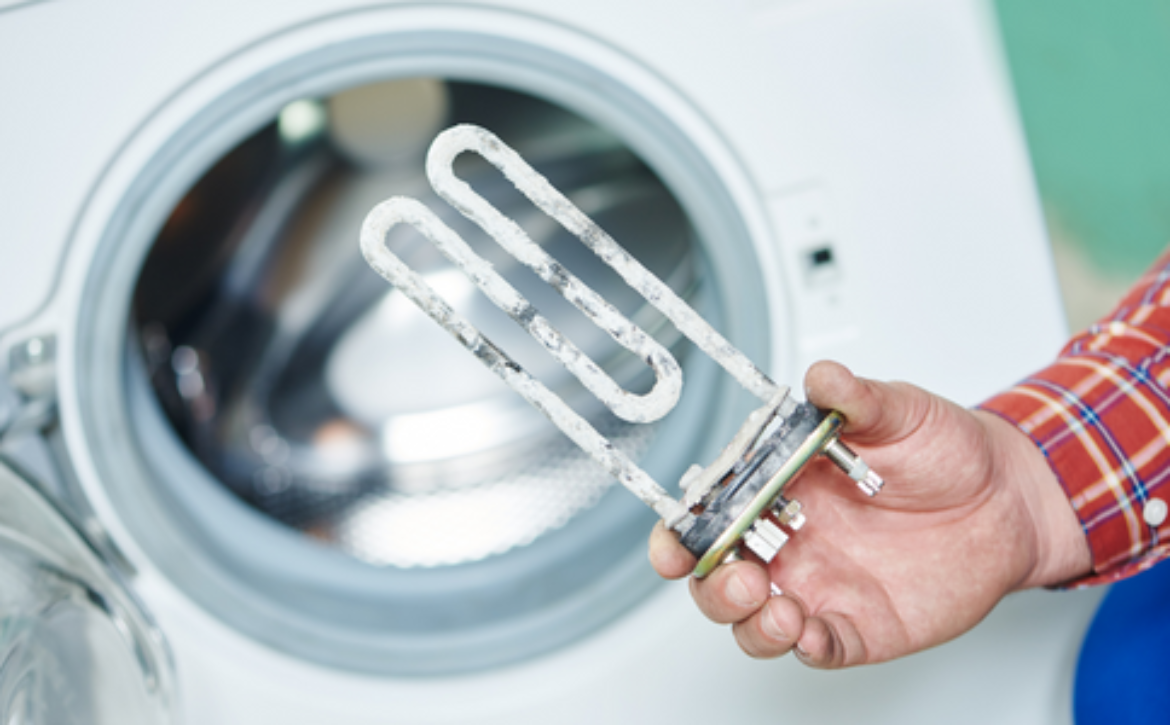
Limescale is an excellent insulator so heating water requires a lot more energy when limescale is present. When you consider how often you heat water in the home (think showers, dishwashers, washing machines, kettles etc) the savings that can be achieved are considerable. In fact, just 3mm of limescale on a heating element can increase energy consumption by up to 25%! At current energy prices, the average household can expect to save up to £500 per year on their energy bills simply by treating hard water.


Save Money

Reduce appliance maintenance and replacement

When limescale builds up in an appliance, it affects its efficiency and can ultimately lead to complete failure. By treating hard water, you’re preventing limescale build-up in your appliances which means they will last for much longer.


Spend less on household purchases

When hard water is treated detergents not only become more effective, but you need less of them to achieve the same result. This applies to shampoo, washing up liquid, and any other soap or detergent you use in the home so you can expect to reduce the amount you buy. And, as you’ll no longer be cleaning limescale from your taps and surfaces, you have less cleaning to do and need fewer cleaning products in the home!

Do I Really Need a Water Conditioner?

So now that we’ve explored some of the benefits of having a good quality water conditioner installed in your home, do you really need one? 

If you live in a hard water area then yes, we’d recommend you install a device to treat your water. Not only will you achieve the benefits of better behaved water, with a Halcyan Water Conditioner, you’ll benefit from 30+ years of hard water treatment with zero maintenance or ongoing costs.

Got questions?


Visit our FAQ page to find answers to our most commonly asked questions. Or, for advice from one of our experts, call 0345 504 0656.


Learn More