
Halcyan water conditioners logo
  • Home
  • Halcyan Explained
    • How It Works
    • Which Size Is Right For You?
    • How To Install The Halcyan
  • Why Us
    • The Halcyan Story
    • Testimonials
    • Clients & Partners
  • Advice Hub
    • Energy & CO2 Saving Opportunities
    • Blog
  • FAQ’s
  • Commercial
  • Contact

No products in the basket.

Visit the Shop
Call Us
Halcyan water conditioners logo
  • Home
  • Halcyan Explained
    • How It Works
    • Which Size Is Right For You?
    • How To Install The Halcyan
  • Why Us
    • The Halcyan Story
    • Testimonials
    • Clients & Partners
  • Advice Hub
    • Energy & CO2 Saving Opportunities
    • Blog
  • FAQ’s
  • Commercial
  • Contact

No products in the basket.

Visit the Shop
Call Us
Halcyan Water Conditioners logo in white
Shop
Call Us

No products in the basket.

  • Home
  • Halcyan Explained
    • How It Works
    • Which Size Is Right For You?
    • How To Install The Halcyan
  • Why Us
    • The Halcyan Story
    • Testimonials
    • Clients & Partners
  • Advice Hub
    • Energy & CO2 Saving Opportunities
    • Blog
  • FAQ’s
  • Commercial
  • Contact
  • Home
  • Halcyan Explained
    • How It Works
    • Which Size Is Right For You?
    • How To Install The Halcyan
  • Why Us
    • The Halcyan Story
    • Testimonials
    • Clients & Partners
  • Advice Hub
    • Energy & CO2 Saving Opportunities
    • Blog
  • FAQ’s
  • Commercial
  • Contact

Category: Water Conditioners

April 17, 2023
Water ConditionersWater Softeners & Water Softening SystemsHard Water

How Does Hard Water Affect Soap?

We all know that soap is essential for keeping our hands and bodies clean. But did you know that the type of water you use to wash with can have a big impact on how effective your soap is? Hard water, or water with high levels of minerals like calcium and magnesium, can make it difficult for soap to lather and perform its cleaning duties. In this blog post, we’ll take a closer look at how hard water affects soap and what you can do about it.


What is Hard Water?

Hard water is any type of water that has a high mineral content. This usually includes calcium, magnesium, and other minerals that are naturally occurring in the environment. These minerals are not harmful to our health but they can reduce effectiveness when it comes to using soap as well as causing problems for our plumbing and appliances.


How Does Hard Water Affect Soap?

When hard water mixes with soap, it forms a substance called “soap scum” which is a sticky residue that can be difficult to remove from surfaces. This happens because the minerals in the hard water react with the fatty acids in the soap and form an insoluble substance that won’t dissolve in water. This interferes with the ability of soap to create a good lather. As a result, soap becomes less effective at cleaning and can leave a film on skin and hair.
 

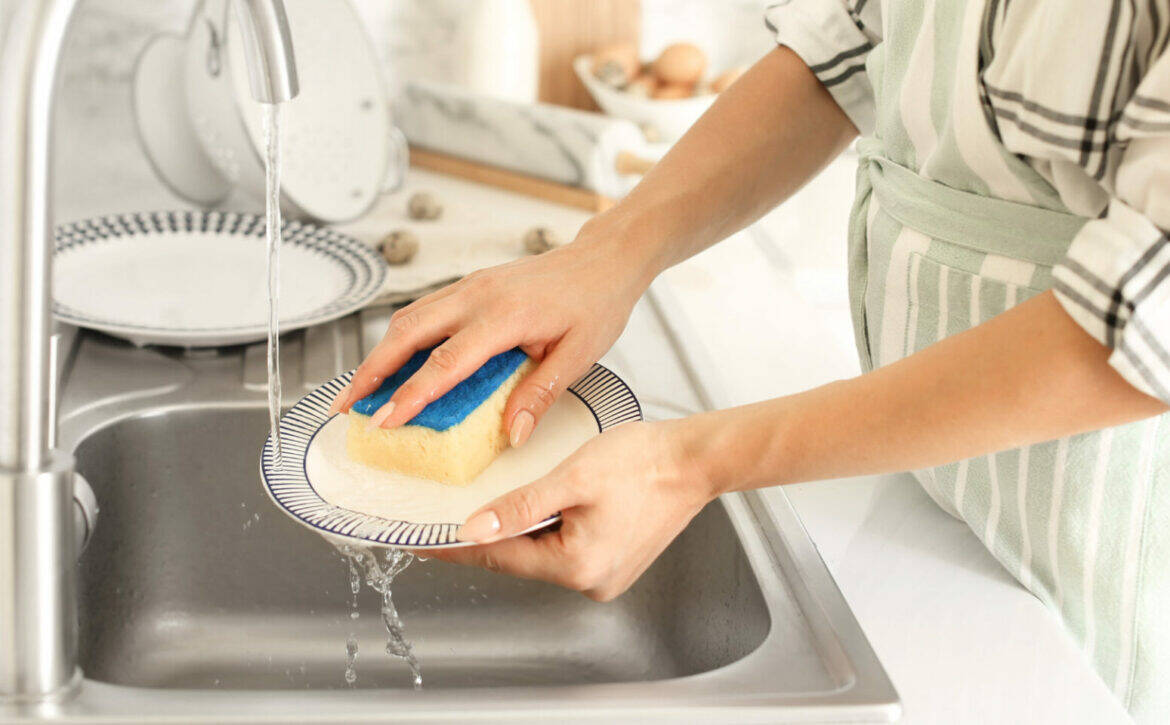
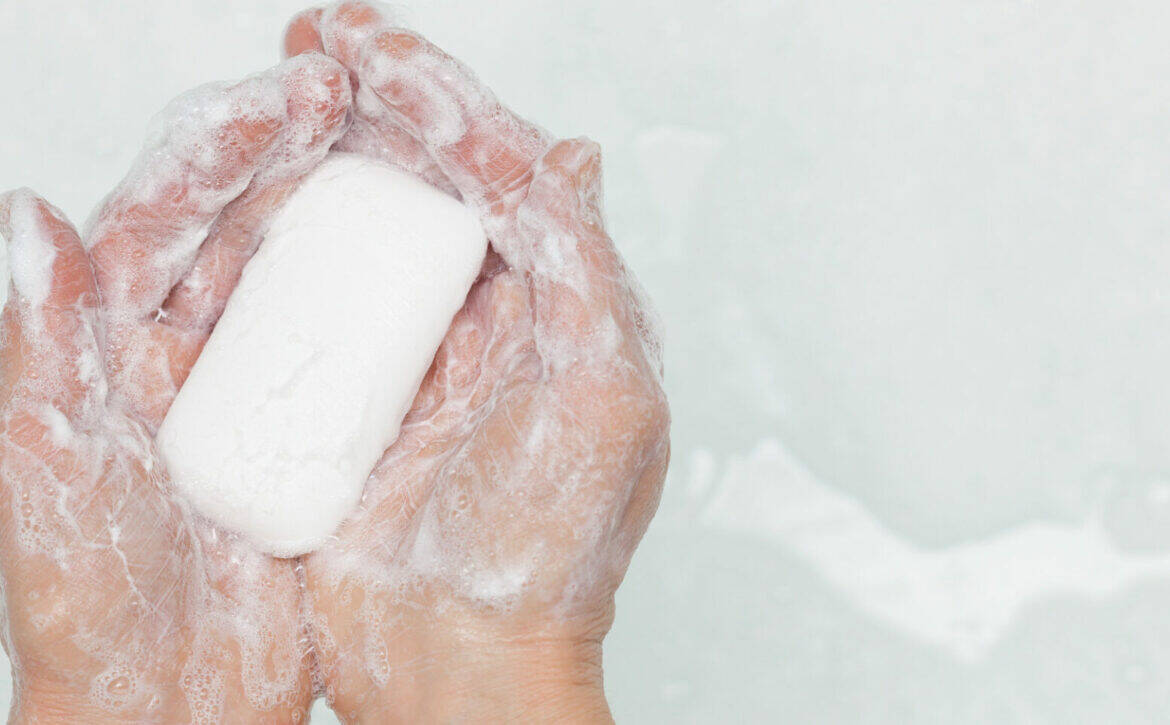
Hard water soap

What Can You Do About It?

If you live in an area with hard water, there are several things you can do to make sure your soap works properly:


1) Use a Water Softener: A water softener will remove most of the minerals from your tap water so that it won’t react with your soap. This will help ensure that your soap lathers properly and performs its cleaning duties effectively. There are a few downsides to water softeners such as their negative impact on the environment and the required space to house the equipment.


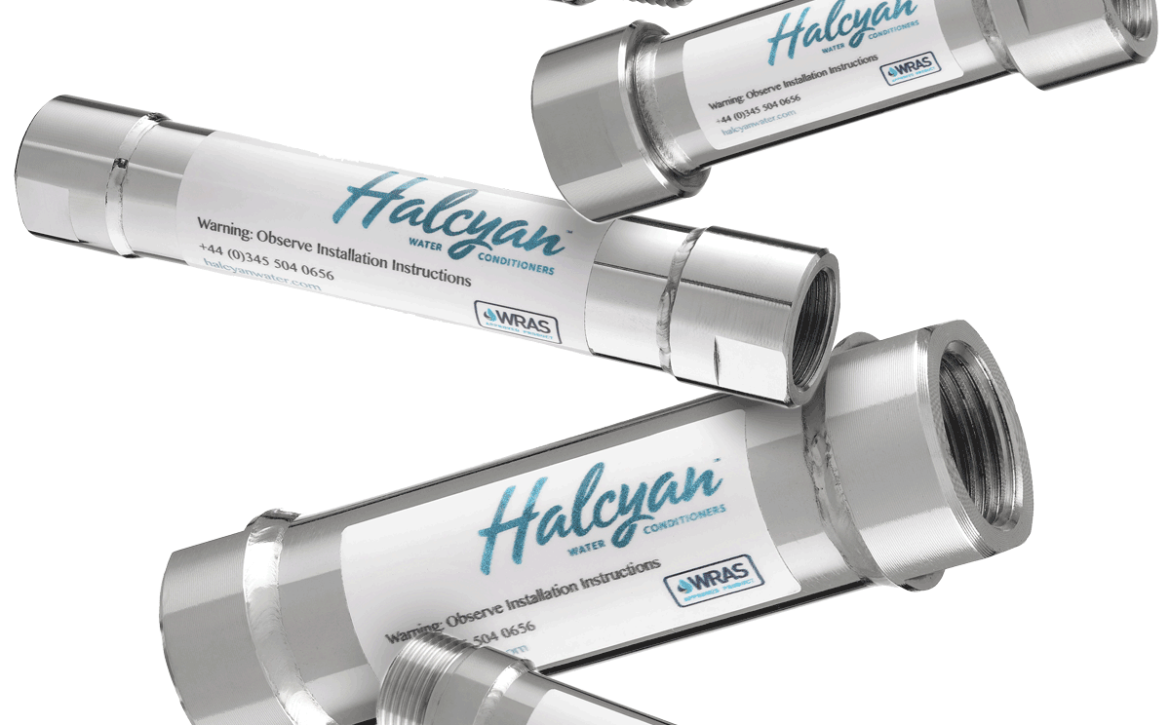
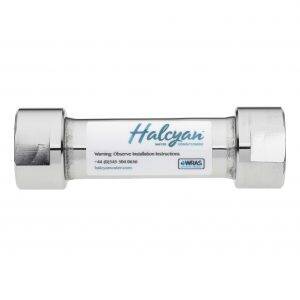
2) Use a Water Conditioner: A water conditioner affects the way minerals in hard water behave, meaning that your hard water will behave more like softened water but without the salt. This will have a similar effect to using salt-softened water but without the negative environmental impact. Our Halcyan Water Conditioner is a tiny addition to your home with a huge impact!Halcyan Water Conditioner3) Use Liquid Soap: Liquid soaps are less likely to form scum when mixed with hard water than bar soaps are. If you live in an area with hard water, consider switching to liquid soaps instead of bar soaps for better results.
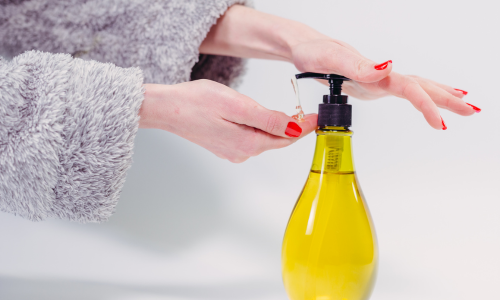
 

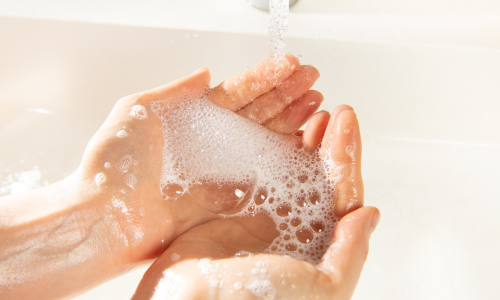
liquid soap hard water


4) Use Hot Water: Hotter temperatures help break down the molecules in the minerals which makes them less likely to form scum when mixed with soap. Try washing with hot (but not too hot!) tap water instead of cold or warm for better results.


5) Add Vinegar: For washing your clothing, adding a few tablespoons of vinegar to your wash cycle can help break down any scum that has already formed on surfaces or fabrics due to hard water use. Just be sure not to use too much vinegar as this could damage some fabrics or surfaces!


Conclusion

Hard water can have a significant impact on soap, causing it to form soap scum and reducing its ability to clean effectively. However, there are ways to combat the effects of hard water and ensure that your soap works as intended. By using a water conditioner and switching to liquid soap that is specially formulated for harder water, you can keep your skin, hair, and clothing clean and free from unsightly soap scum.


If you’d like to find out more about the Halcyan Water Conditioner, you can explore our Knowledge Centre and find out how it works here. You can call our expert team on 0345 504 0656 for more information on whether you have hard water and how you can benefit from installing a Halcyan.


Why choose Halcyan?

Halcyan Water Conditioners is a British company based in Bristol and our alloy-based solution to hard water is unique to the UK. Unlike water softeners, our alloy-based Water Conditioner is an eco-friendly, people-friendly solution to hard water. If you aren’t getting the results you were promised with your soap, shampoos and conditioners, get in touch with us to see how our Halcyan Water Conditioner can help! With our 30 Year Warranty and our 12 Month Money Back Performance Guarantee, you can enjoy brilliant bubbles without a care in the world!

Learn More

Samantha
March 29, 2023
LimescaleWater ConditionersHard Water

Does Hard Water Cost More to Heat?

Water is essential for everyday life, but not all water is created equal. Hard water contains minerals like calcium and magnesium and while mineral-rich water has its benefits, it can cause a variety of problems for homeowners, including clogged pipes, build-up on fixtures, and even higher energy bills. So is it really true that hard water costs more to heat? Let’s take a closer look.


What Is Hard Water?

Hard water is simply water that has a high mineral content. These minerals are usually calcium and magnesium carbonates, but can also include iron, manganese, and sulphates. The amount of minerals in the water determines how hard it is – the more minerals present, the harder the water. Signs that you may have hard water include limescale build up on your appliances and surfaces (such as taps, shower heads and kettles). It appears as a hard, chalky deposit that can be extremely stubborn to remove and can cause many problems in the home.


How Does Hard Water Affect Heating Costs?

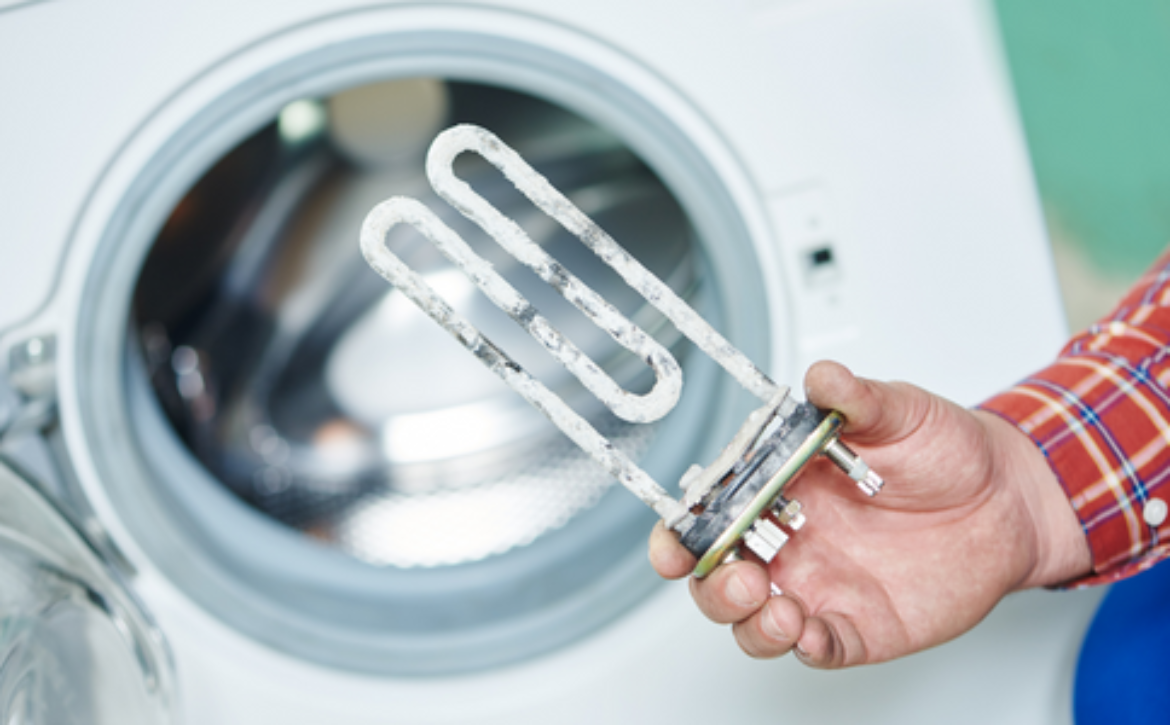
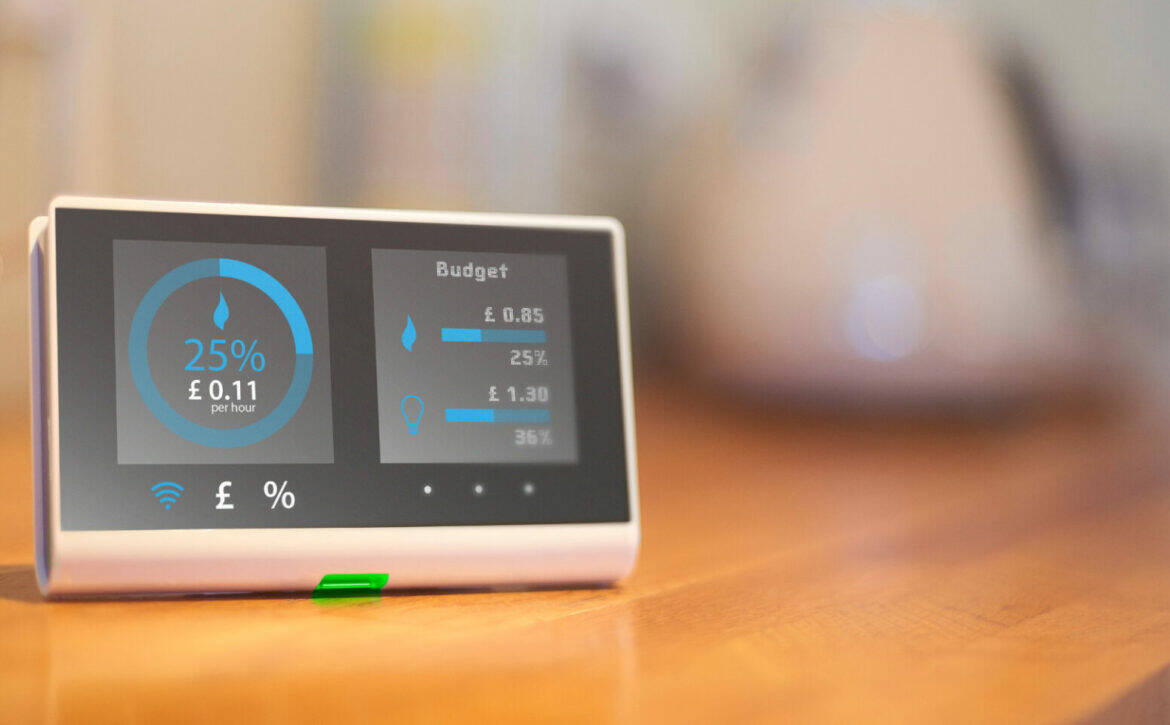
The minerals in hard water can have an impact on your energy bills because they reduce the efficiency of your hot water heater. Minerals build up on the heating elements of your water heater over time, reducing its ability to transfer heat into the water efficiently. This means that it takes more energy (and money) to heat up the same amount of hard water as it would soft water. So in short: Yes! Hard water does cost more to heat.


How Can You Reduce Heating Costs with Hard Water?


Energy costs


Fortunately, there are several ways you can reduce heating costs with hard water:


  1. Install a Water Conditioner: A Halcyan Water Conditioner will treat the water as it enters your home. This means that every drop of water in your house passes through the unit before it enters any appliance with a heating element. Not only will this reduce existing limescale in your appliances, it will continue to keep them limescale-free so they can work at maximum efficiency.
  2. Use Hot Water Efficiently: You can also reduce heating costs by using hot water as efficiently as possible – only running full loads in your dishwasher or washing machine, taking shorter showers, etc. This will help reduce how often you need to heat up hard water which will save you money in the long run. 
  3. Lower Your Hot Water Temperature: Lowering the temperature setting on your hot water heater will also help reduce heating costs with hard water since it takes less energy to heat up lower temperatures than higher ones.

Conclusion

So does hard water cost more to heat? Yes – due to mineral build-up on heating elements over time, it takes more energy (and money) to heat up hard water than soft water which can lead to higher energy bills over time if left unchecked. Fortunately there are several ways you can reduce these costs such as installing a Halcyan Water Conditioner or using hot water efficiently – so don’t let hard water get you down!


If you’d like to find out more about the Halcyan Water Conditioner, you can explore our Knowledge Centre and find out how it works here. You can call our expert team on 0345 504 0656 for more information on how you can heat your water for less, by installing a Halcyan.


Why choose Halcyan?

Halcyan Water Conditioners is a British company based in Bristol and our alloy-based solution to hard water is unique to the UK. As leaders in our industry, our mission is to help our customers save money, save energy and save the planet with our eco-friendly, people-friendly water conditioners. We take huge pride in our customer satisfaction and our testimonials speak for themselves. With our 30 Year Warranty and our 12 Month Money Back Performance Guarantee, you can put your trust into Halcyan Water Conditioners.

Learn More

Samantha
March 20, 2023
Water ConditionersWater Softeners & Water Softening SystemsHard Water

Which Water Softener Is Right for Me?

If you have hard water then you’ve no doubt noticed limescale in the home. While it’s not usually cause for any serious concern, it is unsightly and affects the efficiency of your appliances. Water Softeners have been the go-to solution for many years so if you’re wondering which solution is right for you then you’ve come to the right place!


When it comes to choosing a hard water treatment solution, there are a lot of factors to consider. From the size of your home to your budget and even your environmental goals, selecting the right product can be confusing. In this blog post, we’ll discuss the different types of hard water treatment solutions and what you should look for when making your decision.


So, what are the options?

Your hard water treatment options can be put into three categories: Water Softeners, Water Conditioners and Scale Inhibitors. They all work in different ways and with varying results, so it’s important you do your research before committing to any purchase.


As we mentioned before, Water Softeners (also known as Salt Softeners) are the traditional way of dealing with hard water. In comparison to other methods, they tend to be at the top end when it comes to expense, and they require regular salt top-ups for them to remain effective which adds to your ongoing costs. You can learn more about how Water Softeners work here.


A much lesser known solution is Water Conditioners. They come in a range of shapes and sizes which use different technologies. Because there is such a large range, pricing also varies, as does effectiveness. However, there are usually now ongoing maintenance costs associated with Water Conditioners which keeps the running cost low. You can find out more about Water Conditioners in this blog.

Last but not least, Scale Inhibitors are the third solution to hard water in the home. They are at the lower end of the scale when it comes to cost but they typically only protect one piece of equipment, not the entire home. For an overview of how Scale Inhibitors work, click here.


Factors to consider when choosing a hard water treatment solution


It’s important you thoroughly research the options before you commit to a hard water treatment solution. As we have already eluded to, there are three main types of solution which vary in cost, longevity and effectiveness. Here are some of the key points you should consider when researching the right solution for your home:


Type: As mentioned above, there are several types of water treatment solutions available on the market today. Consider which type best suits your needs before making your decisio

Cost: Different types of units come with different price tags so be sure to factor cost into your decision-making process.

Size: Scale Inhibitors are small devices which are fitted to each individual appliance, Water Conditioners are typically in-line devices that are plumed into your incoming water supply, while Water Softeners are usually much larger and may even require an entire cupboard to house them.

Maintenance: Some units require more maintenance than others so be sure to research how much maintenance each type requires before making your purchase.

Lifespan: The lifespan of hard water treatment options varies greatly, from just a few years up to 30+ years.

Environmental Goals: If you’re concerned about the environmental impact of your hard water solution, you may wish to avoid Water Softeners which use salt and expel briny effluent into the watercourse.

Conclusion

Choosing the right solution for your home can be tricky but with some research and consideration you can find one that meets all your needs and fits within your budget. Be sure to take into account size, type, cost and maintenance when making your decision so that you get the most out of your purchase.

To find out if the Halcyan Water Conditioner is right for you, call our expert team for free advice on 0345 504 0656.

Learn More

Samantha
March 17, 2023
LimescaleWater Conditioners

Do Water Conditioners Work?

Water conditioners are a popular solution for problems associated with hard water. But do they really work? In this blog post, we’ll explore whether or not they can actually improve your hard water problems and any other benefits they can offer.


What is a Water Conditioner?

A water conditioner is a device which treats hard water, reducing existing limescale build-up in the home and preventing more limescale from forming.  Not only does this make cleaning easier, but it also helps to prevent unnecessary repairs to your expensive household appliances.


There are many types of water conditioner, including electronic, catalytic and TAC (template assisted crystallization) systems. Whilst they all work differently, the end goal is the same: to make hard water minerals behave differently and no longer stick to surfaces as limescale. You can read more about the different types of water conditioners here.


Do Water Conditioners Actually Improve Hard Water?

The answer is yes, if you invest in a good quality water conditioner it will improve your hard water!  That is to say, it will make a visible difference to the amount of limescale present in your home. So, if that’s your end game, then a water conditioner could be the right solution for you.


What Other Benefits Do Water Conditioners Offer?

While you may choose to install a water conditioner to remove visible limescale in the home, you may be surprised to discover that there are other significant benefits to be had.  For example, there are huge savings to be made on your bills! This is because limescale reduces the efficiency of your appliances, including your kettle, washing machine and dishwasher. You can find out how a water conditioner can help you cut your energy bills here.


Another great benefit to water conditioners is that they protect your appliances from premature failure. Limescale accumulates on the components of any water-bearing appliance and in your plumbing, fixtures and fittings. Not only does this make items like your washing machine use more energy, it also puts a serious strain on them so they require more frequent maintenance and need to be replaced more often. When you think about how much a new dishwasher or washing machine costs, you can see why protecting them from hard water and limescale makes perfect financial sense.


Conclusion

Water conditioners can be an effective way to reduce limescale in the home which has many additional benefits, not least of which is lower energy bills and longer-lasting appliances.

However, it’s important to do your research so that you make an informed decision on which type of water conditioner to install. Don’t forget to ask any potential supplier whether their solution requires any ongoing maintenance and how long you can expect it to remain effective.


The Halcyan Water Conditioner is a 100% passive, fit-and-forget solution to your limescale problems and is effective for 30+ years. To find out more about how our solution works and which product is right for you, call our team on 0345 5040 656 who will be delighted to answer any questions you may have.

Learn More

Samantha
The heating element of the washing machine close-up. The cause o
March 8, 2023
LimescaleWater ConditionersWater Softeners & Water Softening Systems

Can You Get Rid of Limescale Permanently?

Limescale is a common problem that can be found in many homes. This chalky white deposit that forms on surfaces due to hard water can be difficult to remove. If you’re looking for a way to get rid of limescale permanently, then you’ve come to the right place! In this blog post, we’ll discuss the best methods for removing limescale and preventing it from coming back.

What is Limescale?

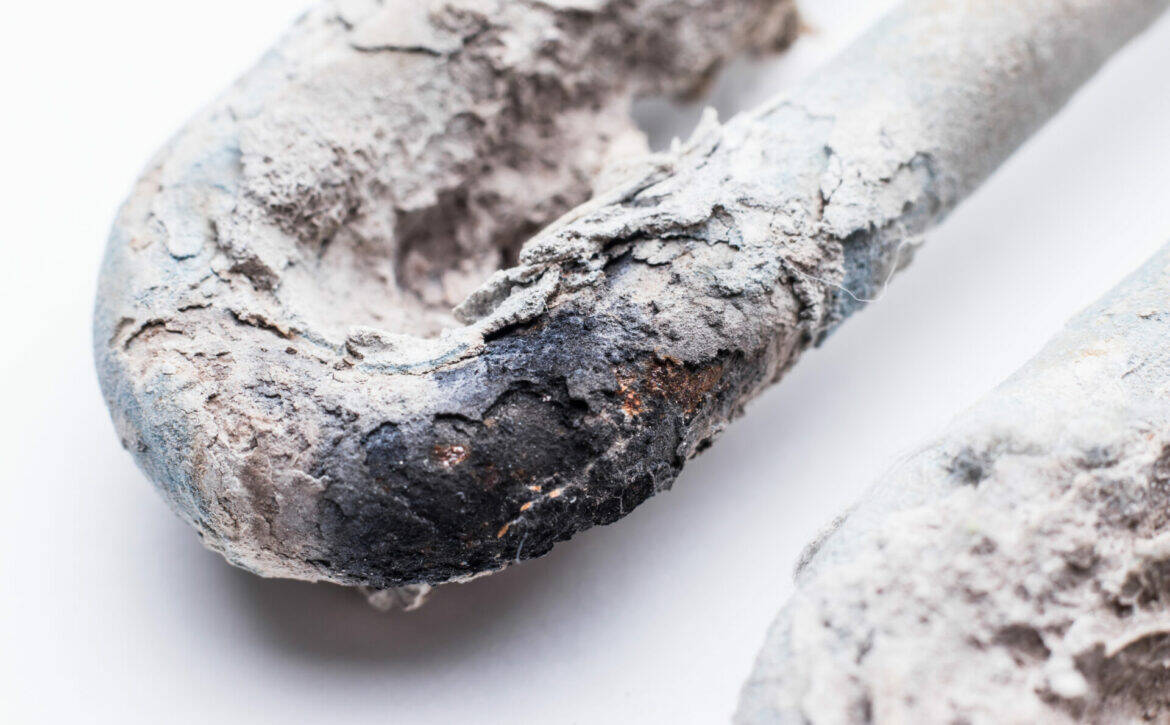
Hard water contains high levels of calcium and magnesium, which create a mineral residue that sticks to surfaces and can be difficult to remove. Limescale can form on sinks, taps, showers, toilets, and other surfaces in your home, as well as on heating elements, for example in your kettle.

How to Remove Limescale

The first step in getting rid of limescale is to remove as much of it as possible from the surface. This can often be done by using a scrubbing brush or an abrasive cleaner such as vinegar or baking soda and a bit of elbow grease. For tougher deposits, you may need to use a chemical cleaner such as Viakal. 

Preventing Future Build-up

Once you’ve removed the existing limescale from your home, it’s important to take steps to prevent future build-up. The best way to do this is by installing a water softener or water conditioner in your home. The two solutions work in very different ways. You can read more about the differences in our blog post on the topic here.

While water softeners are the traditional limescale-prevention method, they use salts and expel briny effluent into the watercourse. So, if you’re looking for a sustainable, eco-friendly solution then a water conditioner may be a better solution for your needs.


Why choose Halcyan?

The Halcyan Water Conditioner is a 100% passive solution to the problem of limescale in the home and is entirely salt and maintenance free. With a 30 year warranty, it’s the only solution you’ll ever need. 

You can find out more about how the Halcyan Water Conditioner works here, or to find out what our customers have to say about our products, visit our testimonials page.


Learn More

Samantha
March 1, 2023
Water ConditionersHard Water

Do I Really Need a Water Conditioner?

Water conditioners are essential pieces of equipment for many households, but do you really need one? In this blog post, we will explore the benefits of having a water conditioner in your home and answer the question: do I really need a water conditioner?


What is a Water Conditioner?

A water conditioner is a device that treats hard water as it enters the home and affects the ability of limescale to form on surfaces and within fixtures, fittings and appliances. A good quality water conditioner will reduce existing limescale build-up and prevent more limescale from forming, so you don’t have to worry about descaling in your home or unnecessary repairs to expensive appliances. You can learn more about how water conditioners work and how they differ from water softeners in our helpful guide here.

Halcyan Water Conditioners


Is a Water Conditioner a good investment?

Installing a good quality water conditioner will not only help to protect your home, but can actually save you money on your household bills, appliance replacement and even on household purchases such as cleaning products and detergents.


Save money on bills

Limescale is an excellent insulator so heating water requires a lot more energy when limescale is present. When you consider how often you heat water in the home (think showers, dishwashers, washing machines, kettles etc) the savings that can be achieved are considerable. In fact, just 3mm of limescale on a heating element can increase energy consumption by up to 25%! At current energy prices, the average household can expect to save up to £500 per year on their energy bills simply by treating hard water.


Save Money

Reduce appliance maintenance and replacement

When limescale builds up in an appliance, it affects its efficiency and can ultimately lead to complete failure. By treating hard water, you’re preventing limescale build-up in your appliances which means they will last for much longer.


Spend less on household purchases

When hard water is treated detergents not only become more effective, but you need less of them to achieve the same result. This applies to shampoo, washing up liquid, and any other soap or detergent you use in the home so you can expect to reduce the amount you buy. And, as you’ll no longer be cleaning limescale from your taps and surfaces, you have less cleaning to do and need fewer cleaning products in the home!

Do I Really Need a Water Conditioner?

So now that we’ve explored some of the benefits of having a good quality water conditioner installed in your home, do you really need one? 

If you live in a hard water area then yes, we’d recommend you install a device to treat your water. Not only will you achieve the benefits of better behaved water, with a Halcyan Water Conditioner, you’ll benefit from 30+ years of hard water treatment with zero maintenance or ongoing costs.

Got questions?


Visit our FAQ page to find answers to our most commonly asked questions. Or, for advice from one of our experts, call 0345 504 0656.


Learn More

Samantha
September 26, 2022
Water ConditionersSustainability and the EnvironmentCost

These are difficult times – Halcyan can help!

Rising energy bills are top of mind for all of us and seem to be leading the charge in a steepening cost of living across the UK. There’s no doubt that we should all be concerned, however it doesn’t all have to be doom and gloom! Halcyan is a successful and proven way of tackling limescale but did you know that it can also help you lower your energy use and in doing so, your bills? Read on to find out how!

Learn More

Samantha
November 9, 2021
MagneticWater Conditioners

What is Magnetic Water Softening?

This is a common question, there are several magnetic devices on the market which are designed to treat limescale. Right off the bat however a correction does need to be made. There is no such thing as magnetic water softening. Magnetic devices do not remove the mineral content from the water and thereby do not soften the water. We’ll cover what these systems actually do further into the article. The short answer is that most magnetic systems are a form of limescale inhibitor rather than a softener.

Learn More

Samantha
August 2, 2021
Water ConditionersWater Softeners & Water Softening Systems

What are Hard Water Filters?

Dealing with the problems of hard water can be a real headache. Especially when there are several different and interchangeable names for systems on the market. So what is a hard water filter? Do these systems even exist? If not, then why is the term used? In this article we’ll answer all the above and clarify what the devices on the market are that you’ll want to research when looking for a solution to your limescale issues.

Learn More

Samantha
July 28, 2021
HealthWater ConditionersHard Water

Do Water Conditioners remove chlorine?

Sadly hard water isn’t the only issue homeowners face with their water supply. In many areas across the country various chemicals are added to the water system, whilst these are important in keeping the water safe to drink they can often affect the taste of the water negatively. A great example of this is chlorine. So if you’re dealing with limescale by purchasing a water conditioner you may be wondering, does a water conditioner remove chlorine as well? In short no, a water conditioner will not remove chlorine from your water, here’s why.

Learn More

Samantha
  • 1
  • 2
  • 3
  • 4
  • 5
Categories
  • Cleaning
  • Soft Water
  • Limescale
  • Construction
  • Energy
  • News & Events
  • Magnetic
  • Health
  • Uncategorized
  • Carbon
  • Water Conditioners
  • Water Softeners & Water Softening Systems
  • Charities
  • Sustainability and the Environment
  • Hard Water
  • Cost
  • hard water areas
The Halcyan
Which Size Is Right For You
The System Explained
How To Install
Contact Us
Why Us
About Us
Testimonials
Clients & Partners
Useful Links
FAQ's
Shop
Policies
14 Day Cancellation Policy
Privacy Policy
Warranty & Guarantee
Newpay FAQ
Halcyan water conditioners logo

Eco-loving, people friendly, the Intelligent Solution you’ve been looking for to your hard water, limescale problem.

We improve our products and advertising by using Microsoft Clarity to see how you use our website. By using our site, you agree that we and Microsoft can collect and use this data.

We improve our products and advertising by using Microsoft Clarity to see how you use our website. By using our site, you agree that we and Microsoft can collect and use this data.We improve our products and advertising by using Microsoft Clarity to see how you use our website. By using our site, you agree that we and Microsoft can collect and use this data.We improve our products and advertising by using Microsoft Clarity to see how you use our website. By using our site, you agree that we and Microsoft can collect and use this data.Halcyan Ltd is an Introducer Appointed Representative of Pay4Later Limited, trading as Deko, which is authorised and regulated by the Financial Conduct Authority (FRN 728646). Deko is a credit broker, not a lender and does not charge you for credit broking services. We will introduce you exclusively to Newpay finance products provided by NewDay Limited under this Introducer Appointed Representative arrangement. Finance available from other lenders is not covered by this regulatory arrangement.We improve our products and advertising by using Microsoft Clarity to see how you use our website. By using our site, you agree that we and Microsoft can collect and use this data.

Copyright © Halcyan Water Conditioners SA. Powered by Tomorrow Media.

#softlab_button_69cceca132a2c .wgl_button_link { color: rgba(255,255,255,1); }#softlab_button_69cceca132a2c .wgl_button_link:hover { color: rgba(0,101,128,1); }#softlab_button_69cceca132a2c .wgl_button_link { border-color: rgba(0,101,128,1); background-color: rgba(0,101,128,1); }#softlab_button_69cceca132a2c .wgl_button_link:hover { border-color: rgba(0,101,128,1); background-color: rgba(255,255,255,1); }#softlab_button_69cceca136add .wgl_button_link { color: rgba(255,255,255,1); }#softlab_button_69cceca136add .wgl_button_link:hover { color: rgba(255,255,255,1); }#softlab_button_69cceca136add .wgl_button_link { border-color: rgba(124,82,156,1); background-color: rgba(193,39,45,1); }#softlab_button_69cceca136add .wgl_button_link:hover { border-color: rgba(124,82,156,1); background-color: rgba(193,39,45,1); }#softlab_button_69cceca142324 .wgl_button_link { color: rgba(255,255,255,1); }#softlab_button_69cceca142324 .wgl_button_link:hover { color: rgba(0,101,128,1); }#softlab_button_69cceca142324 .wgl_button_link { border-color: rgba(0,101,128,1); background-color: rgba(0,101,128,1); }#softlab_button_69cceca142324 .wgl_button_link:hover { border-color: rgba(0,101,128,1); background-color: rgba(255,255,255,1); }#softlab_button_69cceca145c03 .wgl_button_link { color: rgba(255,255,255,1); }#softlab_button_69cceca145c03 .wgl_button_link:hover { color: rgba(255,255,255,1); }#softlab_button_69cceca145c03 .wgl_button_link { border-color: rgba(124,82,156,1); background-color: rgba(193,39,45,1); }#softlab_button_69cceca145c03 .wgl_button_link:hover { border-color: rgba(124,82,156,1); background-color: rgba(193,39,45,1); }@media only screen and (max-width: 768px){ #softlab_spacer_69cceca196a91 .spacing_size{ display: none; } #softlab_spacer_69cceca196a91 .spacing_size-tablet{ display: block; } }#softlab_soc_icon_wrap_69cceca19dd17 a{ background: #ffffff; border-color: #ffffff; }#softlab_soc_icon_wrap_69cceca19dd17 a:hover{ background: #ffffff; border-color: #84dade; }