
Halcyan water conditioners logo
  • Home
  • Halcyan Explained
    • How It Works
    • Which Size Is Right For You?
    • How To Install The Halcyan
  • Why Us
    • The Halcyan Story
    • Testimonials
    • Clients & Partners
  • Advice Hub
    • Energy & CO2 Saving Opportunities
    • Blog
  • FAQ’s
  • Commercial
  • Contact

No products in the basket.

Visit the Shop
Call Us
Halcyan water conditioners logo
  • Home
  • Halcyan Explained
    • How It Works
    • Which Size Is Right For You?
    • How To Install The Halcyan
  • Why Us
    • The Halcyan Story
    • Testimonials
    • Clients & Partners
  • Advice Hub
    • Energy & CO2 Saving Opportunities
    • Blog
  • FAQ’s
  • Commercial
  • Contact

No products in the basket.

Visit the Shop
Call Us
Halcyan Water Conditioners logo in white
Shop
Call Us

No products in the basket.

  • Home
  • Halcyan Explained
    • How It Works
    • Which Size Is Right For You?
    • How To Install The Halcyan
  • Why Us
    • The Halcyan Story
    • Testimonials
    • Clients & Partners
  • Advice Hub
    • Energy & CO2 Saving Opportunities
    • Blog
  • FAQ’s
  • Commercial
  • Contact
  • Home
  • Halcyan Explained
    • How It Works
    • Which Size Is Right For You?
    • How To Install The Halcyan
  • Why Us
    • The Halcyan Story
    • Testimonials
    • Clients & Partners
  • Advice Hub
    • Energy & CO2 Saving Opportunities
    • Blog
  • FAQ’s
  • Commercial
  • Contact

Category: Limescale

March 29, 2023
LimescaleWater ConditionersHard Water

Does Hard Water Cost More to Heat?

Water is essential for everyday life, but not all water is created equal. Hard water contains minerals like calcium and magnesium and while mineral-rich water has its benefits, it can cause a variety of problems for homeowners, including clogged pipes, build-up on fixtures, and even higher energy bills. So is it really true that hard water costs more to heat? Let’s take a closer look.


What Is Hard Water?

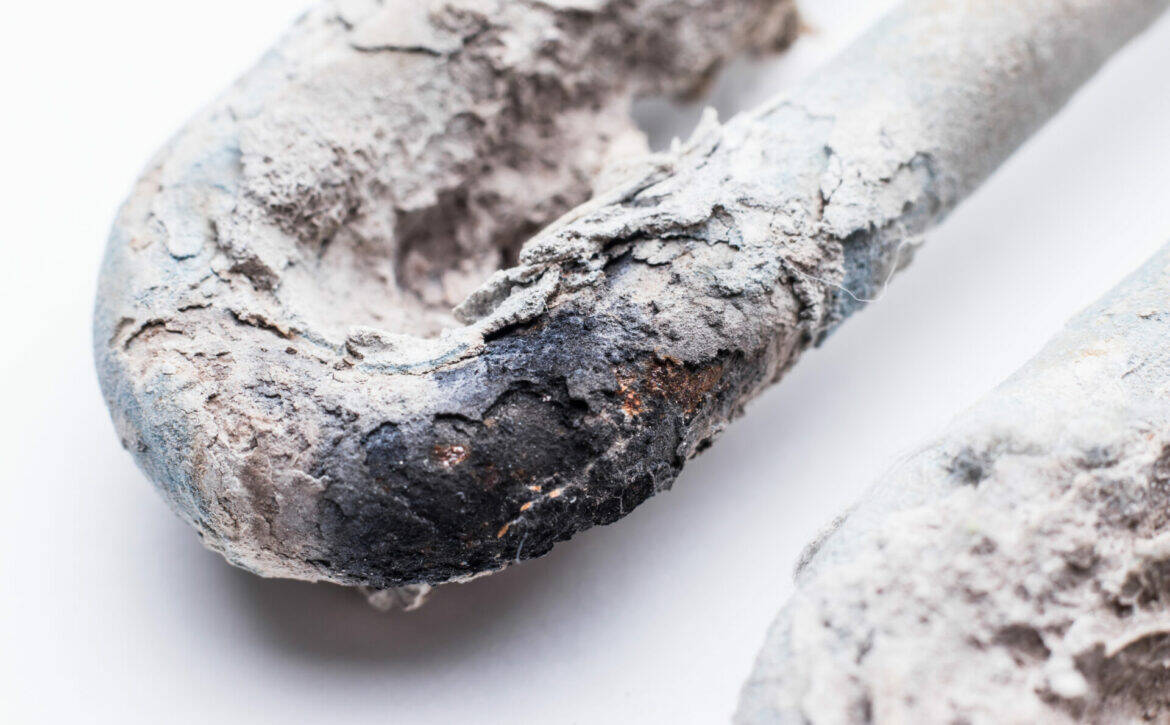
Hard water is simply water that has a high mineral content. These minerals are usually calcium and magnesium carbonates, but can also include iron, manganese, and sulphates. The amount of minerals in the water determines how hard it is – the more minerals present, the harder the water. Signs that you may have hard water include limescale build up on your appliances and surfaces (such as taps, shower heads and kettles). It appears as a hard, chalky deposit that can be extremely stubborn to remove and can cause many problems in the home.


How Does Hard Water Affect Heating Costs?

The minerals in hard water can have an impact on your energy bills because they reduce the efficiency of your hot water heater. Minerals build up on the heating elements of your water heater over time, reducing its ability to transfer heat into the water efficiently. This means that it takes more energy (and money) to heat up the same amount of hard water as it would soft water. So in short: Yes! Hard water does cost more to heat.


How Can You Reduce Heating Costs with Hard Water?

 

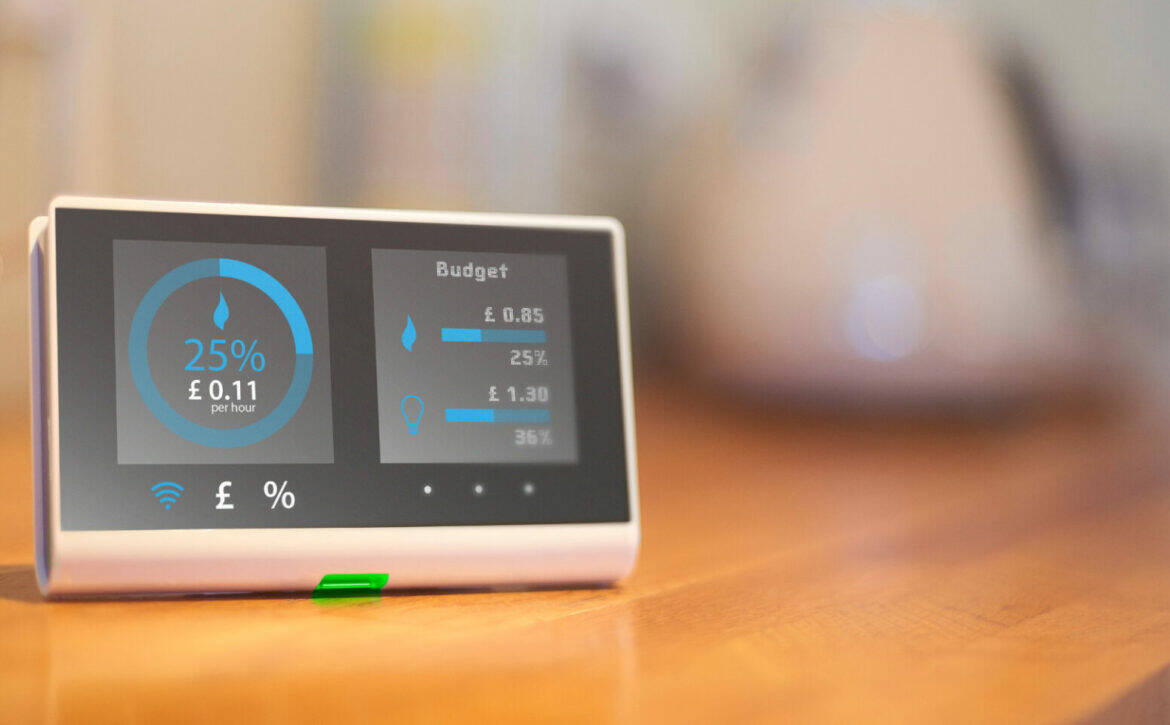
Energy costs


Fortunately, there are several ways you can reduce heating costs with hard water:


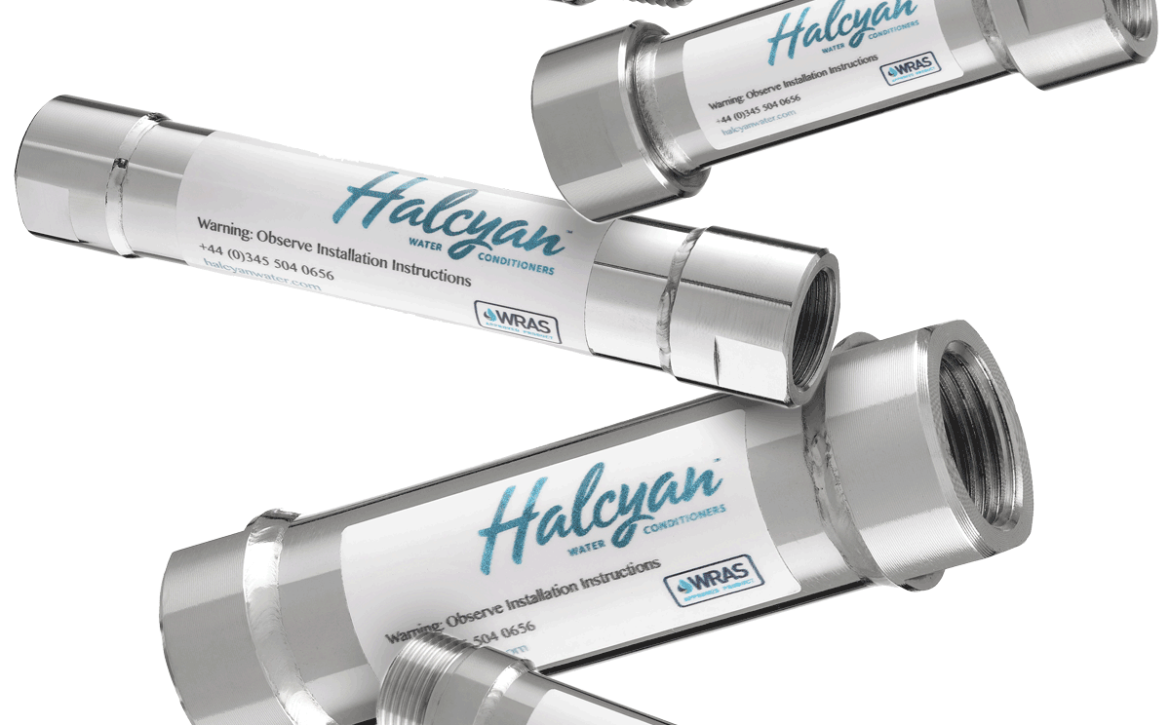
  1. Install a Water Conditioner: A Halcyan Water Conditioner will treat the water as it enters your home. This means that every drop of water in your house passes through the unit before it enters any appliance with a heating element. Not only will this reduce existing limescale in your appliances, it will continue to keep them limescale-free so they can work at maximum efficiency.
  2. Use Hot Water Efficiently: You can also reduce heating costs by using hot water as efficiently as possible – only running full loads in your dishwasher or washing machine, taking shorter showers, etc. This will help reduce how often you need to heat up hard water which will save you money in the long run. 
  3. Lower Your Hot Water Temperature: Lowering the temperature setting on your hot water heater will also help reduce heating costs with hard water since it takes less energy to heat up lower temperatures than higher ones.

Conclusion

So does hard water cost more to heat? Yes – due to mineral build-up on heating elements over time, it takes more energy (and money) to heat up hard water than soft water which can lead to higher energy bills over time if left unchecked. Fortunately there are several ways you can reduce these costs such as installing a Halcyan Water Conditioner or using hot water efficiently – so don’t let hard water get you down!


If you’d like to find out more about the Halcyan Water Conditioner, you can explore our Knowledge Centre and find out how it works here. You can call our expert team on 0345 504 0656 for more information on how you can heat your water for less, by installing a Halcyan.


Why choose Halcyan?
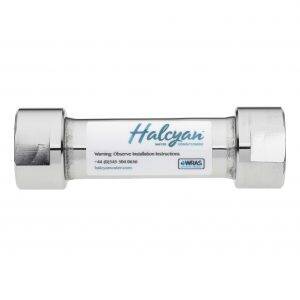
Halcyan Water Conditioners is a British company based in Bristol and our alloy-based solution to hard water is unique to the UK. As leaders in our industry, our mission is to help our customers save money, save energy and save the planet with our eco-friendly, people-friendly water conditioners. We take huge pride in our customer satisfaction and our testimonials speak for themselves. With our 30 Year Warranty and our 12 Month Money Back Performance Guarantee, you can put your trust into Halcyan Water Conditioners.

Learn More
Samantha
March 17, 2023
LimescaleWater Conditioners

Do Water Conditioners Work?

Water conditioners are a popular solution for problems associated with hard water. But do they really work? In this blog post, we’ll explore whether or not they can actually improve your hard water problems and any other benefits they can offer.


What is a Water Conditioner?

A water conditioner is a device which treats hard water, reducing existing limescale build-up in the home and preventing more limescale from forming.  Not only does this make cleaning easier, but it also helps to prevent unnecessary repairs to your expensive household appliances.


There are many types of water conditioner, including electronic, catalytic and TAC (template assisted crystallization) systems. Whilst they all work differently, the end goal is the same: to make hard water minerals behave differently and no longer stick to surfaces as limescale. You can read more about the different types of water conditioners here.


Do Water Conditioners Actually Improve Hard Water?

The answer is yes, if you invest in a good quality water conditioner it will improve your hard water!  That is to say, it will make a visible difference to the amount of limescale present in your home. So, if that’s your end game, then a water conditioner could be the right solution for you.


What Other Benefits Do Water Conditioners Offer?

While you may choose to install a water conditioner to remove visible limescale in the home, you may be surprised to discover that there are other significant benefits to be had.  For example, there are huge savings to be made on your bills! This is because limescale reduces the efficiency of your appliances, including your kettle, washing machine and dishwasher. You can find out how a water conditioner can help you cut your energy bills here.


Another great benefit to water conditioners is that they protect your appliances from premature failure. Limescale accumulates on the components of any water-bearing appliance and in your plumbing, fixtures and fittings. Not only does this make items like your washing machine use more energy, it also puts a serious strain on them so they require more frequent maintenance and need to be replaced more often. When you think about how much a new dishwasher or washing machine costs, you can see why protecting them from hard water and limescale makes perfect financial sense.


Conclusion

Water conditioners can be an effective way to reduce limescale in the home which has many additional benefits, not least of which is lower energy bills and longer-lasting appliances.

However, it’s important to do your research so that you make an informed decision on which type of water conditioner to install. Don’t forget to ask any potential supplier whether their solution requires any ongoing maintenance and how long you can expect it to remain effective.


The Halcyan Water Conditioner is a 100% passive, fit-and-forget solution to your limescale problems and is effective for 30+ years. To find out more about how our solution works and which product is right for you, call our team on 0345 5040 656 who will be delighted to answer any questions you may have.

Learn More

Samantha
March 8, 2023
LimescaleEnergyHard Water

Does a Kettle with Limescale Use More Electricity?

It is no secret that limescale can have a negative impact on the performance of your kettle. But did you know that limescale can also increase your electricity bills? In this blog post, we will explore the effects of limescale on your kettle’s electricity usage and how to reduce it.


What is Limescale?

Limescale is a hard, chalky deposit that builds up inside kettles over time due to the presence of calcium and magnesium in hard water. This build-up of limescale can reduce the efficiency of your kettle and cause it to use more electricity than usual.


How Does Limescale Affect Electricity Usage?

When limescale builds up inside a kettle, it acts as an insulator, trapping heat and preventing it from transferring to the water. This means that more energy is required to heat the water, resulting in higher electricity bills. So, every cup of tea you make costs that little bit more which, over time, can make a big difference to your bills.


How Can You Reduce Limescale Build-Up?

Fortunately, there are several steps you can take to reduce limescale build-up in your kettle and keep your electricity bills as low as possible:

Use bottled water: Using filtered or bottled water instead of tap water will help reduce limescale build-up as these types of water contain fewer minerals than tap water.


Boil only what you need: Boiling more water than necessary wastes energy and increases electricity bills unnecessarily – so only boil as much as you need!


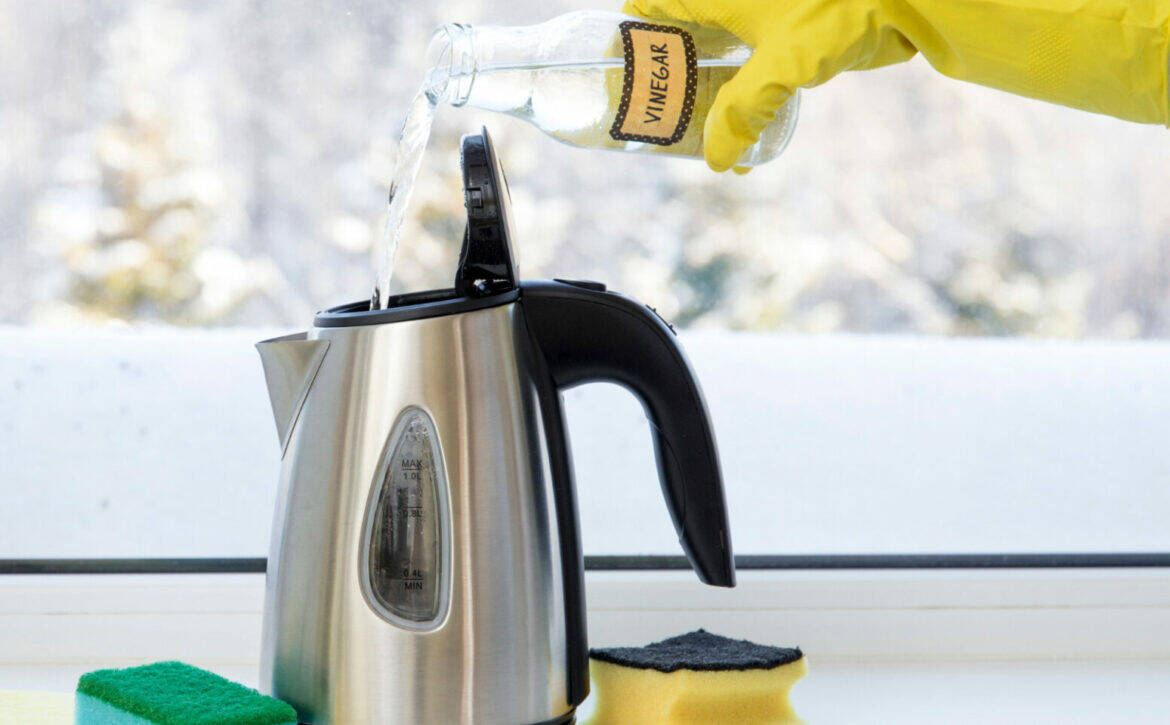
Clean regularly: Regularly cleaning your kettle with vinegar or citric acid will help remove any existing limescale deposits and prevent new ones from forming.


Use de-scaler: If you find that regular cleaning isn’t enough to remove all the limescale from your kettle, then you may want to consider using a de-scaler product specifically designed for kettles. These products are usually effective at removing stubborn deposits of limescale.


Banish limescale for good: Installing a water softener or water conditioner reduces limescale build-up in the home so your limescale issues become a thing of the past. Not sure which type of solution is right for you? Read our guide and discover the key differences between water conditioners and water softeners here.


Conclusion

Limescale build-up in kettles can have a significant impact on electricity usage – but there are steps you can take to reduce it and keep your bills as low as possible. Using the tips we have covered, you should be able to keep your electricity costs down without sacrificing convenience!


Want to know more about the Halcyan Water Conditioner? Find out how it works here or call our expert team on 0345 504 0656.

Learn More

Samantha
The heating element of the washing machine close-up. The cause o
March 8, 2023
LimescaleWater ConditionersWater Softeners & Water Softening Systems

Can You Get Rid of Limescale Permanently?

Limescale is a common problem that can be found in many homes. This chalky white deposit that forms on surfaces due to hard water can be difficult to remove. If you’re looking for a way to get rid of limescale permanently, then you’ve come to the right place! In this blog post, we’ll discuss the best methods for removing limescale and preventing it from coming back.

What is Limescale?

Hard water contains high levels of calcium and magnesium, which create a mineral residue that sticks to surfaces and can be difficult to remove. Limescale can form on sinks, taps, showers, toilets, and other surfaces in your home, as well as on heating elements, for example in your kettle.

How to Remove Limescale

The first step in getting rid of limescale is to remove as much of it as possible from the surface. This can often be done by using a scrubbing brush or an abrasive cleaner such as vinegar or baking soda and a bit of elbow grease. For tougher deposits, you may need to use a chemical cleaner such as Viakal. 

Preventing Future Build-up

Once you’ve removed the existing limescale from your home, it’s important to take steps to prevent future build-up. The best way to do this is by installing a water softener or water conditioner in your home. The two solutions work in very different ways. You can read more about the differences in our blog post on the topic here.

While water softeners are the traditional limescale-prevention method, they use salts and expel briny effluent into the watercourse. So, if you’re looking for a sustainable, eco-friendly solution then a water conditioner may be a better solution for your needs.


Why choose Halcyan?

The Halcyan Water Conditioner is a 100% passive solution to the problem of limescale in the home and is entirely salt and maintenance free. With a 30 year warranty, it’s the only solution you’ll ever need. 

You can find out more about how the Halcyan Water Conditioner works here, or to find out what our customers have to say about our products, visit our testimonials page.


Learn More

Samantha
June 4, 2021
Limescale

All you need to know: Hard Water and Limescale

To some this may seem a silly question, after all over 60% of the UK is supplied by hard water. As such many of us are used to it and its effects. But given how common it is and the serious impacts it can have, a deeper look into hard water is no bad thing!

Learn More

Samantha
  • 1
  • 2
  • 3
Categories
  • Cleaning
  • Soft Water
  • Limescale
  • Construction
  • Energy
  • News & Events
  • Magnetic
  • Health
  • Uncategorized
  • Carbon
  • Water Conditioners
  • Water Softeners & Water Softening Systems
  • Charities
  • Sustainability and the Environment
  • Hard Water
  • Cost
  • hard water areas
The Halcyan
Which Size Is Right For You
The System Explained
How To Install
Contact Us
Why Us
About Us
Testimonials
Clients & Partners
Useful Links
FAQ's
Shop
Policies
14 Day Cancellation Policy
Privacy Policy
Warranty & Guarantee
Newpay FAQ
Halcyan water conditioners logo

Eco-loving, people friendly, the Intelligent Solution you’ve been looking for to your hard water, limescale problem.

We improve our products and advertising by using Microsoft Clarity to see how you use our website. By using our site, you agree that we and Microsoft can collect and use this data.

We improve our products and advertising by using Microsoft Clarity to see how you use our website. By using our site, you agree that we and Microsoft can collect and use this data.We improve our products and advertising by using Microsoft Clarity to see how you use our website. By using our site, you agree that we and Microsoft can collect and use this data.We improve our products and advertising by using Microsoft Clarity to see how you use our website. By using our site, you agree that we and Microsoft can collect and use this data.Halcyan Ltd is an Introducer Appointed Representative of Pay4Later Limited, trading as Deko, which is authorised and regulated by the Financial Conduct Authority (FRN 728646). Deko is a credit broker, not a lender and does not charge you for credit broking services. We will introduce you exclusively to Newpay finance products provided by NewDay Limited under this Introducer Appointed Representative arrangement. Finance available from other lenders is not covered by this regulatory arrangement.We improve our products and advertising by using Microsoft Clarity to see how you use our website. By using our site, you agree that we and Microsoft can collect and use this data.

Copyright © Halcyan Water Conditioners SA. Powered by Tomorrow Media.

#softlab_button_6a240bfed07bf .wgl_button_link { color: rgba(255,255,255,1); }#softlab_button_6a240bfed07bf .wgl_button_link:hover { color: rgba(0,101,128,1); }#softlab_button_6a240bfed07bf .wgl_button_link { border-color: rgba(0,101,128,1); background-color: rgba(0,101,128,1); }#softlab_button_6a240bfed07bf .wgl_button_link:hover { border-color: rgba(0,101,128,1); background-color: rgba(255,255,255,1); }#softlab_button_6a240bfed46f7 .wgl_button_link { color: rgba(255,255,255,1); }#softlab_button_6a240bfed46f7 .wgl_button_link:hover { color: rgba(255,255,255,1); }#softlab_button_6a240bfed46f7 .wgl_button_link { border-color: rgba(124,82,156,1); background-color: rgba(193,39,45,1); }#softlab_button_6a240bfed46f7 .wgl_button_link:hover { border-color: rgba(124,82,156,1); background-color: rgba(193,39,45,1); }#softlab_button_6a240bfee091a .wgl_button_link { color: rgba(255,255,255,1); }#softlab_button_6a240bfee091a .wgl_button_link:hover { color: rgba(0,101,128,1); }#softlab_button_6a240bfee091a .wgl_button_link { border-color: rgba(0,101,128,1); background-color: rgba(0,101,128,1); }#softlab_button_6a240bfee091a .wgl_button_link:hover { border-color: rgba(0,101,128,1); background-color: rgba(255,255,255,1); }#softlab_button_6a240bfee3fa9 .wgl_button_link { color: rgba(255,255,255,1); }#softlab_button_6a240bfee3fa9 .wgl_button_link:hover { color: rgba(255,255,255,1); }#softlab_button_6a240bfee3fa9 .wgl_button_link { border-color: rgba(124,82,156,1); background-color: rgba(193,39,45,1); }#softlab_button_6a240bfee3fa9 .wgl_button_link:hover { border-color: rgba(124,82,156,1); background-color: rgba(193,39,45,1); }@media only screen and (max-width: 768px){ #softlab_spacer_6a240bff14318 .spacing_size{ display: none; } #softlab_spacer_6a240bff14318 .spacing_size-tablet{ display: block; } }#softlab_soc_icon_wrap_6a240bff18789 a{ background: #ffffff; border-color: #ffffff; }#softlab_soc_icon_wrap_6a240bff18789 a:hover{ background: #ffffff; border-color: #84dade; }