
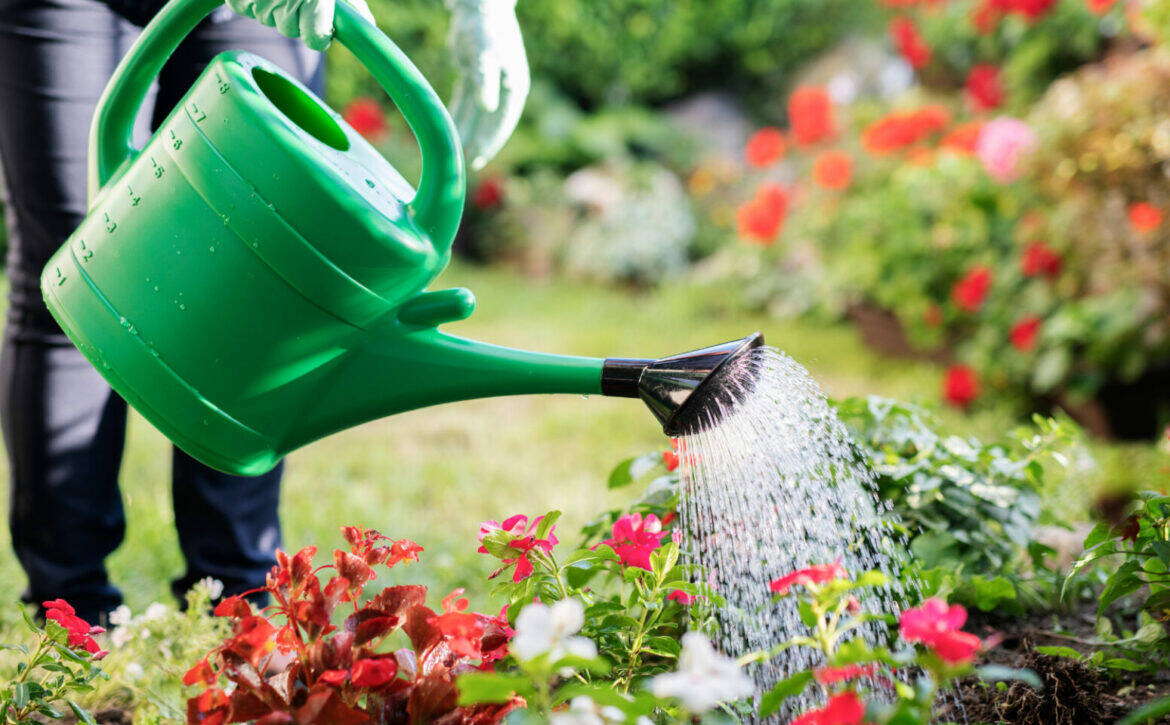
Why Should You Avoid Using Softened Water on Your Garden?

Gardening is a popular hobby for many people, and it can be a great way to relax and enjoy the outdoors. However, if you’re not careful about what kind of water you use in your garden, you could end up doing more harm than good. To combat the issue of hard water in the home, some people choose to install a water softener. Softened water is one type of water that should be avoided when it comes to gardening. Here’s why:


The Effects of Softened Water on Soil Quality

Softened water contains higher levels of sodium, which can have a detrimental effect on the quality of your soil. When sodium is added to soil, it can cause the soil to become compacted and unable to retain moisture or nutrients. This can lead to poor plant growth and even death in some cases. Additionally, sodium can also make it difficult for beneficial microorganisms to thrive in the soil, leading to further problems with plant health.

The Impact on Plant Health
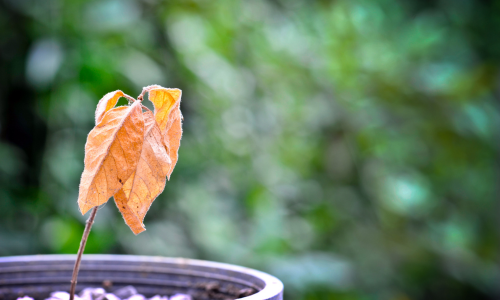
 

Plant Health


Softened water can also have a negative impact on the health of your plants. The higher levels of sodium in softened water can cause plants to become dehydrated and stressed out due to an inability to absorb moisture from the soil. This can lead to wilting, yellowing leaves, and stunted growth in some cases. Furthermore, softened water may also contain other chemicals such as chlorine or fluoride which are not beneficial for plants and may even be toxic in large amounts.


The Risk of Algae Growth

Softened water is also known for promoting algae growth due to its higher levels of sodium and other minerals. Algae growth can be unsightly and may even lead to oxygen deprivation in ponds or other bodies of water that are used for irrigation purposes. Additionally, algae blooms are often accompanied by unpleasant odors which may make gardening less enjoyable for some people.


Is There a Solution?

Thankfully, yes! There are a number of solutions that enable you to use your tap water in the garden:


  • Install a Separate Tap:

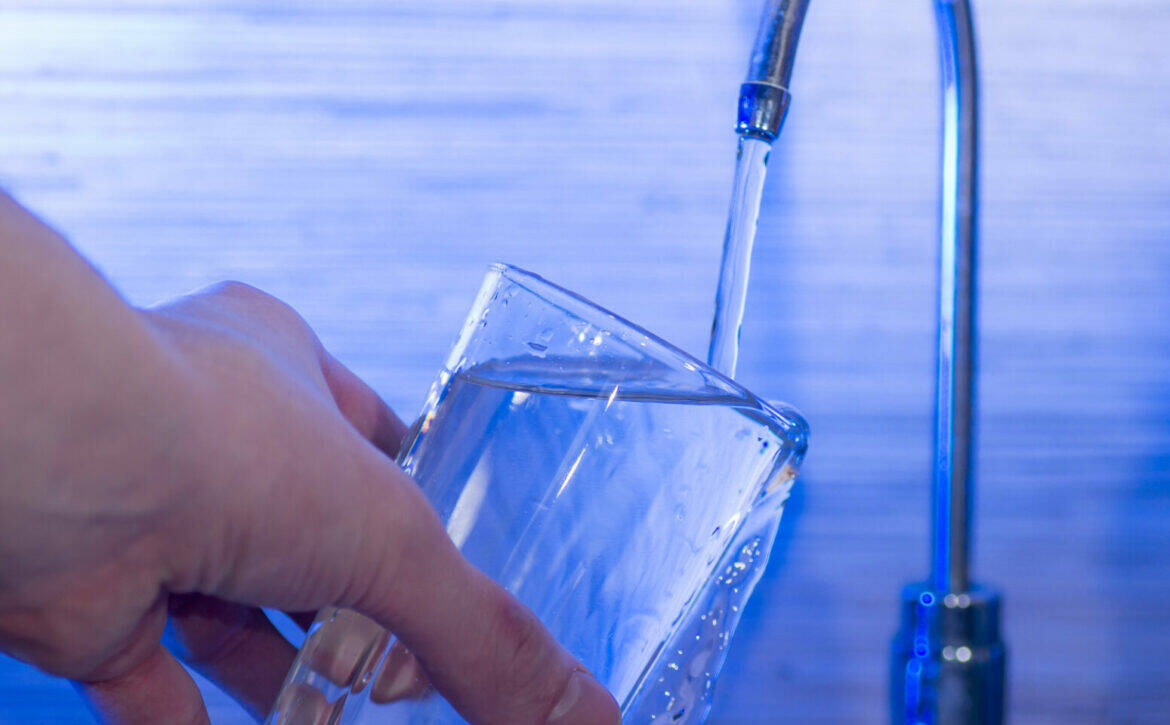
If you have a water softener installed, it’s a good idea to also install a separate drinking water tap. This ensures that the water you drink is completely safe and therefore will also be safe to use in your garden. You can read all about installing a drinking water tap in our previous blog.


  • Use Bottled or Filtered Water:

This may be a solution for every now and again but isn’t ideal for the environment or your wallet.


  • Use Rainwater:


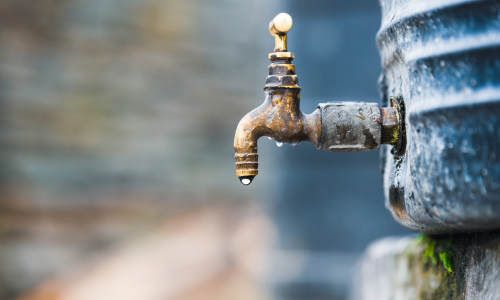
Rainwater water butt


A great way to ensure that your plants are getting safe water is to collect the rainwater with a water butt. This will mean that you always have a good quantity of water available. If you have a water softener installed, you will need to wait for your water butt to become full (which may take some time in the driest months of the year) as you won’t be able to fill it from your water supply.


  • Install a Water Conditioner:

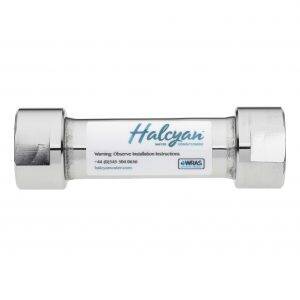
If you’re looking for a solution to hard water but you’re worried about the effects of a water softener on your water supply, there is an alternative. A Halcyan Water Conditioner is a simple ‘fit and forget’ solution to hard water that has no negative effect on your tap water. Unlike water softeners, it doesn’t remove the minerals from water or affect sodium levels but conditions the water through a unique alloy which makes it behave just as soft water does in your home.


Conclusion

Generally speaking, it’s best to avoid using softened water when gardening or irrigating your garden beds. You may be able to use softened water on occasion around the garden but it’s definitely not advised to do this regularly or over a prolonged period. There are plenty of other sources of clean water available that won’t have such a negative impact on your soil quality or plant health. Doing so will help ensure that your garden stays healthy and beautiful for years to come!


If you’d like to find out more about the Halcyan Water Conditioner, you can explore our Knowledge Centre and find out how it works here. You can call our expert team on 0345 504 0656 for more information on how you, your home and your garden can benefit from installing a Halcyan.


Why choose Halcyan?

Halcyan Water Conditioners is a British company based in Bristol and our alloy-based solution to hard water is unique to the UK. Unlike water softeners, our alloy-based Water Conditioner is an eco-friendly, people-friendly solution to hard water and your water supply will be perfectly fine to drink and to use in the garden. With our 30 Year Warranty and our 12 Month Money Back Performance Guarantee, the Halcyan is the perfect ‘fit and forget’ solution whilst giving you peace of mind.

Learn More

World Environment Day 2023: 5 Ways To Have an Eco-Friendly Home

In today’s world, it has become increasingly important to adopt sustainable practices in our daily lives to protect the environment. One significant step towards a greener future starts right at home. On World Environment Day, let’s explore five practical ways to make eco-friendly changes, and how the Halcyan Water Conditioner can positively impact your home’s carbon footprint. By implementing these strategies, we can turn out homes into eco-friendly havens, conserve resources, and contribute to the preservation of our planet.


  • Embrace Energy Efficiency

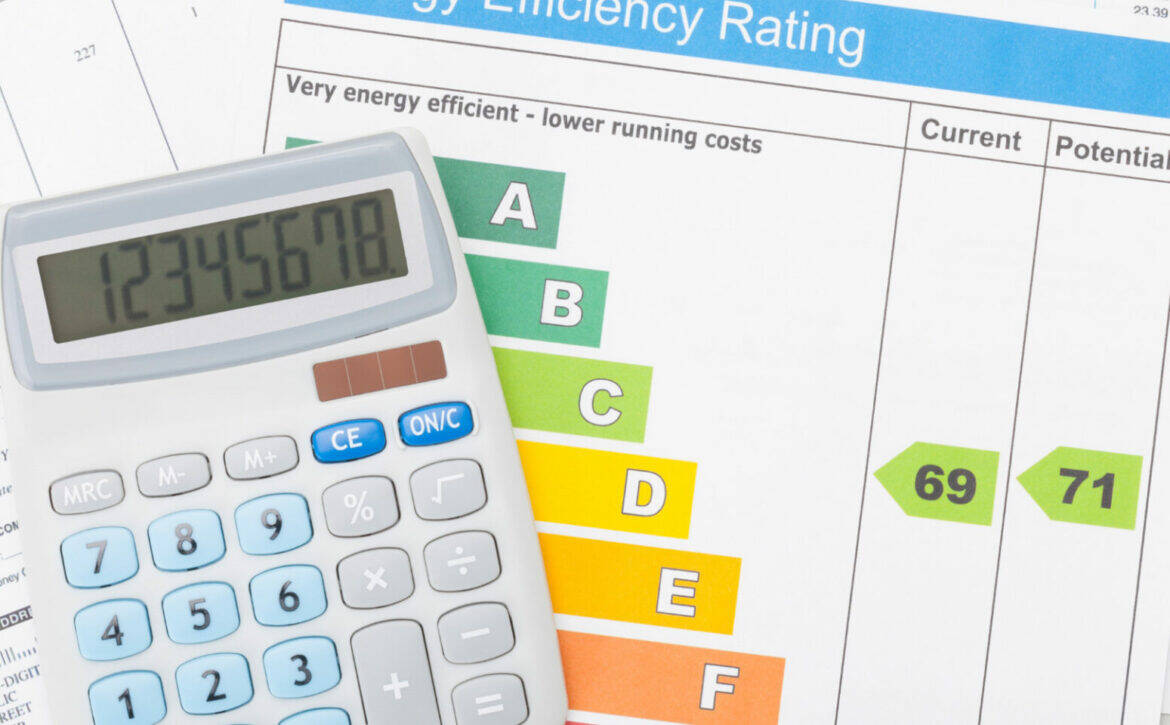
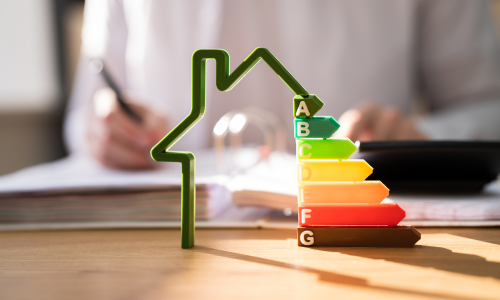
The first step towards an eco-friendly home is to prioritise energy efficiency. Start by replacing traditional light bulbs with energy-saving LED bulbs, which consume significantly less electricity. Additionally, consider investing in energy-efficient appliances, such as fridge-freezers, washing machines, and air conditioners. These appliances now display an energy label, indicating their low energy consumption. By reducing our energy usage, we can mitigate greenhouse gas emissions and cut down on electricity bills.


world environment day energy efficiency


While upgrading your home appliances is a positive step in improving your energy efficiency, conscientious homeowners may be disappointed in their new appliances’ performance if they live in a hard water area. The build-up of limescale is actually largely responsible for appliances using more energy and costing more to run. It also contributes to the premature breakdown of appliances and can perpetuate the cycle of replacing items instead of preserving them.


For every 1mm of scale, heating efficiency is decreased between 7-10%. It has been found that hard water can reduce the efficiency of heating units by up to 50% with 4% loss of efficiency for each 5 grains per gallon of hardness.


Limescale reduces efficiency in two main ways: by blocking water flow and by reducing heat transfer. In short, your appliances are working much harder than they need to to achieve the same goal. By installing a Halcyan Water Conditioner, you can not only stop limescale being deposited in your appliances and plumbing, but also reduce and remove the limescale that’s already there and have them working as efficiently as they can!


  • Reduce, Reuse, Recycle

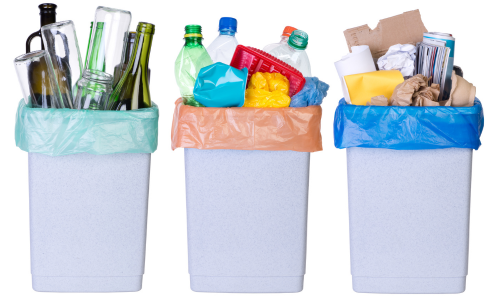
The mantra of “Reduce, Reuse, Recycle” holds true when it comes to creating an eco-friendly home. Begin by reducing waste generation through conscious shopping habits. Choose products with minimal packaging and opt for reusable alternatives like cloth bags instead of plastic ones. Embrace the concept of upcycling by repurposing old furniture, turning glass jars into storage containers, or transforming worn-out clothing into cleaning rags. Moreover, establish a recycling system at home to segregate and recycle paper, plastic, glass, and metal waste. By following these practices, we can minimise landfill waste and conserve valuable resources.


reduce reuse recycle


A Halcyan Water Conditioner can help you:

  • Reduce: The Halcyan is an effortlessly simple device within your home. It requires no maintenance or adjustment. Unlike water softeners, it doesn’t require refills of salt thereby reducing plastic packaging, distribution and waste. It reduces the limescale in your home which allows a reduction in energy consumption. Your water behaves just like soft water which in turn means you require less soap, detergent, shampoo, conditioner and cleaning products.
  • Reuse: Halcyan is designed to work tirelessly against hard water for 30 years! You can be assured that your appliances will be protected from the effects of limescale for as long as possible, meaning we can move away from the repetitive cycle of throwing out broken things, using them again and again.


  • Conserve Water

Water scarcity is a growing concern in many regions worldwide. To have an eco-friendly home, it is crucial to adopt water-saving measures. Install low-flow showerheads and taps to reduce water consumption while maintaining a comfortable experience. Fix any leaks promptly, as even a small drip can waste several litres of water each day. Additionally, collect rainwater by setting up rain barrels to water plants and gardens, reducing the reliance on treated water. Implementing these water conservation practices will help preserve this precious resource for future generations.


Installing a Halcyan Water Conditioner is a great way to conserve water. One of the many issues caused by limescale is low pressure, thanks to the clogging of pipes slowing down the flow of water. It’s no surprise that clogged up pipes means longer showers, longer washing machine cycles and boilers working harder. The Halcyan removes the clogged buildup over time and improves water flow to ensure that you’re only using the water that you need to.


  • Create a Sustainable Garden

A green home is incomplete without a sustainable garden. Opt for native plants that require minimal water and fertiliser, as they are better adapted to the local climate and soil conditions. Consider setting up a composting heap or bin to recycle kitchen scraps, garden waste, and fallen leaves into nutrient-rich compost. Composting not only reduces landfill waste but also provides a natural fertiliser for your garden. Furthermore, explore the idea of vertical gardening or rooftop gardens to maximise your green space and promote urban biodiversity.


  • Embrace Renewable Energy

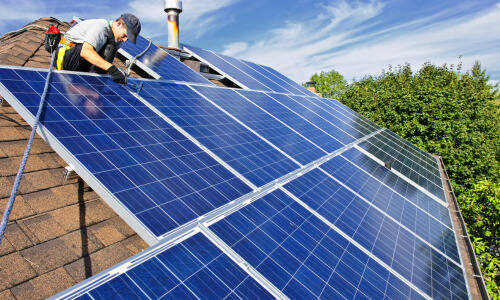
    renewable energy

Transitioning to renewable energy sources is a significant step towards reducing our carbon footprint. Consider installing solar panels on your roof to harness the power of the sun. Solar energy is clean, renewable, and can significantly reduce or eliminate your dependence on the grid for electricity. Although the initial cost may be a consideration, the long-term benefits and savings make it a worthwhile investment. Additionally, explore options like wind turbines or ground/air source heat pumps, depending on your location and available resources.


Conclusion

Transforming our homes into eco-friendly spaces is not only beneficial for the environment but also for our own well-being. By adopting these five strategies, including the Halcyan Water Conditioner, we can increase the lifespan of our appliances, reduce energy consumption, minimise waste, conserve water, promote sustainable gardening practices, and embrace renewable energy sources. Remember, every small step counts in the journey towards a greener and more sustainable future. On World Environment Day, let’s pledge to make our homes eco-friendly and inspire others to follow suit. Together, we can create a positive impact on the planet and leave a better world for generations to come.


If you’d like to find out more about the Halcyan Water Conditioner, you can explore our Knowledge Centre and find out how it works here. You can call our expert team on 0345 504 0656 for more information on whether you have hard water and how you can benefit from installing a Halcyan.


Why choose Halcyan?

Halcyan Water Conditioners is a British company based in Bristol and our alloy-based solution to hard water is unique to the UK. While there are many ways to have an eco-friendly home, our alloy-based Water Conditioner is an eco-friendly, people-friendly solution to hard water too! If you’re looking for ways to improve the efficiency of your home, get in touch with us to see how our Halcyan Water Conditioner can help. With our 30 Year Warranty and our 12 Month Money Back Performance Guarantee, you can be sure that you’ll enjoy the benefits of your investment for many years to come!

Learn More

Why You May Need to Install a Separate Drinking Water Tap if You Have a Water Softener

Water softeners are an increasingly popular way to reduce the amount of minerals in your water supply. While they are effective at removing these impurities, they can also affect the taste of your drinking water. To ensure that you have access to clean, safe drinking water, it is important to install a separate drinking water tap if you have a water softener. In this article, we will discuss why this is necessary and how to go about installing one.


What Are the Benefits of Installing a Separate Drinking Water Tap?

Installing a separate drinking water tap allows you to have access to clean, safe drinking water without having to worry about any potential contaminants or unpleasant tastes caused by the water softener. This is especially important if you have children or elderly family members who may be more sensitive to these issues. Additionally, having a separate tap will save you time and energy as you won’t need to worry about filtering your drinking water each time you need it.


How Does a Water Softener Affect Your Drinking Water?

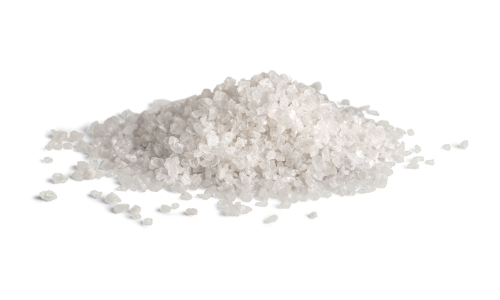
Water softener salt


A water softener works by removing minerals from your home’s water supply such as calcium and magnesium by using salt. While this can be beneficial for reducing limescale build-up in pipes and appliances, it can also affect the taste of your drinking water.


How Can You Install a Separate Drinking Water Tap?

Plumber tap


Installing a separate drinking water tap is relatively straightforward and can usually be done in just one day with minimal disruption in most cases. While this may be a simple job for the competent DIY-er, for most it’s best to employ a professional plumber.


Is There an Alternative?

If you are searching for a way to keep your home free from limescale and would prefer not to install a separate drinking water tap, thankfully there is an alternative – you can install a water conditioner. Unlike water softeners, a water conditioner doesn’t use salts to soften your water, so you won’t experience drawbacks such as the need to install a separate tap for drinking water, or the environmental downsides often associated with salt softeners. The Halcyan Water Conditioner offers a quick and painless solution to hard water. With a very simple installation, you can enjoy the benefits of softer behaving water as our conditioner changes the way hard water behaves in your home, without impacting your drinking water supply.


Conclusion

Having access to clean, safe drinking water is essential for everyone’s health and well-being. If you have a water softener installed in your home, it is important that you also install a separate drinking water tap so that you can avoid any potential contaminants or unpleasant tastes caused by the softening process. You could look at an alternative way to have the benefits of soft water in your home by installing a Halcyan Water Conditioner, without the need to install a separate tap for your drinking water.


If you’d like to find out more about the Halcyan Water Conditioner, you can explore our Knowledge Centre and find out how it works here. You can call our expert team on 0345 504 0656 for more information on how you can heat your water for less, by installing a Halcyan.


Why choose Halcyan?

Halcyan Water Conditioners is a British company based in Bristol and our alloy-based solution to hard water is unique to the UK. As leaders in our industry, our mission is to help our customers save money, save energy and save the planet with our eco-friendly, people-friendly water conditioners. We take huge pride in our customer satisfaction and our testimonials speak for themselves. With our 30 Year Warranty and our 12 Month Money Back Performance Guarantee, you can put your trust in Halcyan Water Conditioners.

Learn More

Does Hard Water Damage Washing Machines?

Hard water is a common problem in many households and it can have a big impact on your home if left unchecked. In particular, hard water causes damage to household appliances such as boilers, kettles and electric showers and can even add significantly to your energy usage. It can also affect how you wash your clothes because of the impact of hard water on washing machines. In this blog post, we’ll discuss the effects of hard water on washing machines and how to prevent damage from occurring.


What Is Hard Water?

Hard water is water that has a high mineral content, usually caused by calcium and magnesium deposits. These minerals can build up in pipes, fixtures, and appliances over time, leading to problems like clogged drains and reduced water pressure. Hard water can also cause damage to washing machines due to the build-up of limescale within the water-bearing mechanisms. Depending on where you are in the UK, water hardness can vary significantly.


How Does Hard Water Damage Washing Machines?

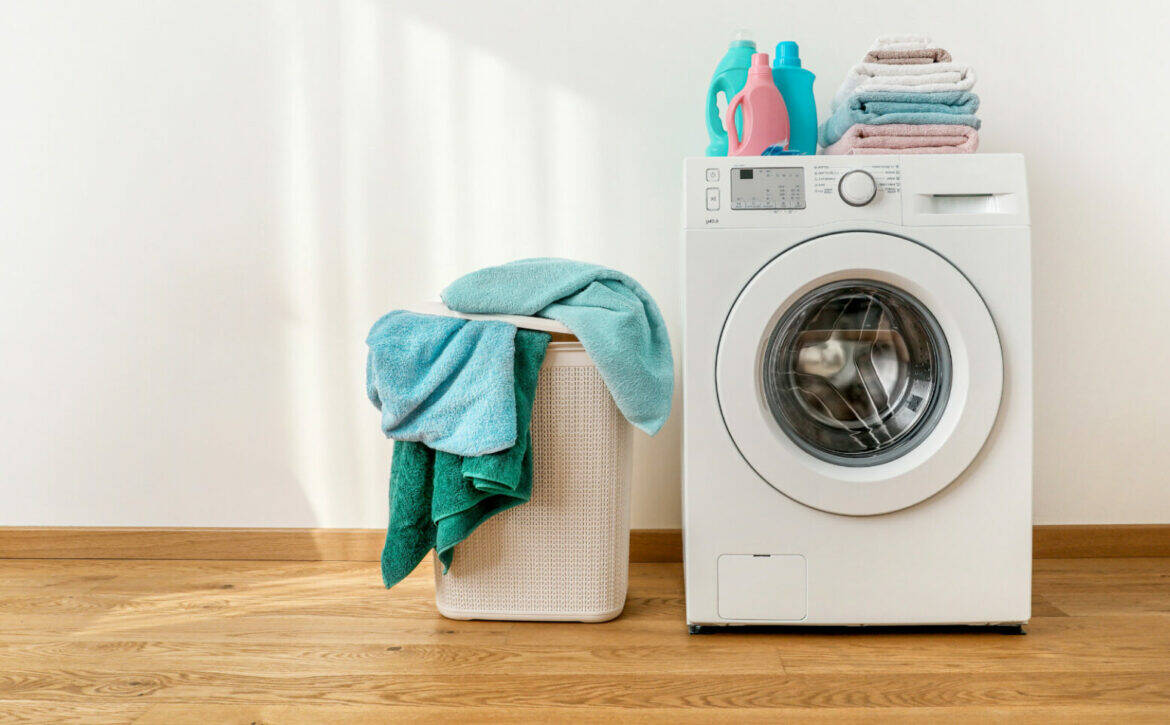
Washing machine damage


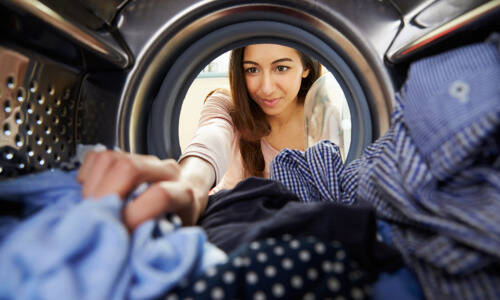
Hard water can damage washing machines in several ways. The minerals in hard water can build up inside the machine over time in the form of limescale, causing corrosion and reducing the efficiency of the machine. The minerals can also cause soap scum to form on the interior of the machine, which can lead to clogs and other issues. When soap mixes with hard water, it can create a sticky residue that can clog the machine’s pipes and cause water to back up into the machine’s drum. This can lead to mould growth, and foul odours. In addition, hard water can leave behind residue on clothing after a wash cycle is complete. In a study commissioned by the Water Quality Association in 2009, the lifespan of a washing machine is significantly reduced by hard water. By using softer behaving water, you could see the lifespan of your washing machine increase by 40%.


Preventing Damage From Hard Water

Washing Machine Care


Fortunately, there are several steps you can take to prevent damage from hard water in your washing machine:

  • Use a water conditioner: A water conditioner will alter the way that water behaves in your plumbing and appliances. Unlike water softeners, the Halcyan Water Conditioner makes hard water behave like soft water so that you get all the benefits of softer water, without the negative impact of using water softeners.
  • Clean regularly: Regularly cleaning your washing machine will help remove any residue or build-up that has already accumulated inside the machine.
  • Use less detergent: Using too much detergent when you wash clothes with hard water can lead to soap scum build-up inside your machine. To prevent this from happening, use less detergent than you normally would when using hard water for laundry.
  • Use distilled or filtered water: If possible, use distilled or filtered water instead of tap water for laundry when dealing with hard water problems. This will help reduce mineral build-up inside your washing machine and keep it running smoothly for longer periods of time. 


Conclusion

Hard water can be damaging to washing machines if not properly addressed. Fortunately, there are several steps you can take to prevent damage from occurring such as using a water conditioner or filtered/distilled water for laundry and cleaning your washer regularly. By taking these precautions, you’ll be able to keep your washer running smoothly for years to come!


If you’d like to find out more about the Halcyan Water Conditioner, you can explore our Knowledge Centre and find out how it works here. You can call our expert team on 0345 504 0656 for more information on whether you have hard water and how you can benefit from installing a Halcyan.


Why choose Halcyan?

Halcyan Water Conditioners is a British company based in Bristol and our alloy-based solution to hard water is unique to the UK. Unlike water softeners, our alloy-based Water Conditioner is an eco-friendly, people-friendly solution to hard water and its impact on your washing machine. With our 30 Year Warranty and our 12 Month Money Back Performance Guarantee, you can enjoy laundered clothes that are always clean and fresh – as well as peace of mind that our little device is taking care of your washing machine too!

Learn More

How to Get Rid of Limescale without Harsh Chemicals

Limescale is a common problem in households, especially in areas with hard water and can be a real nuisance in the home, leaving surfaces looking dull and unsightly. It is a build-up of mineral deposits, primarily calcium and magnesium, on surfaces such as taps, showerheads, and kitchen appliances. It’s also notoriously difficult to remove, especially if you’re trying to avoid using harsh chemicals. But don’t worry – there are plenty of natural ways to get rid of limescale without resorting to strong cleaning products – many of which are harmful to the environment and also your health. Here are some tips for tackling limescale the natural way.


Using Natural Ingredients

One of the best ways to get rid of limescale is by using natural ingredients that you already have in your kitchen cupboards. There are various substances which are kind to your home, your health and the environment but also pack a good punch where cleaning is concerned!


Remove limescale with natural ingredients


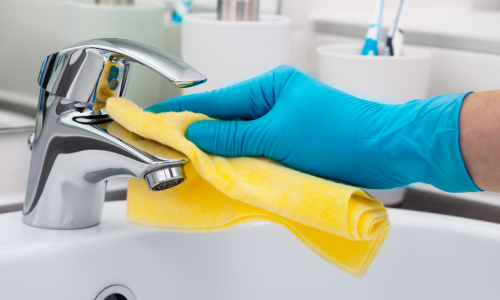
  1. White vinegar: Vinegar is a natural acid that can dissolve mineral deposits. For small areas, you can soak a cloth in vinegar and place it over the limescale for a few hours or overnight. For larger areas, you can mix equal parts of vinegar and water in a spray bottle, spray the affected area, and leave it for a few minutes before wiping it away with a cloth.
  2. Lemon juice: Lemon juice is another natural acid that can remove limescale. Cut a lemon in half and rub it directly onto the limescale. Leave it for a few minutes before wiping it away with a cloth.
  3. Bicarbonate of soda: Bicarbonate of soda is an abrasive cleaner that can help remove limescale from surfaces. Mix bicarbonate of soda with water to create a paste and apply it to the affected area. Leave it for a few minutes before scrubbing it away with a brush or cloth. Bicarbonate of soda is also an excellent deodoriser which makes it a perfect cleaning agent for the bathroom.
  4. Citric acid: Citric acid is a natural acid that can dissolve limescale. Mix citric acid with water and apply it to the affected area. Leave it for a few minutes before wiping it away with a cloth.
  5. Steam cleaning: Steam cleaning is an effective way to remove limescale from surfaces such as tiles and shower screens without harsh chemicals. They use hot steam to loosen up dirt, grime and limescale so that it can be easily wiped away with a damp cloth or sponge. Steam cleaners are particularly useful for removing limescale from hard-to-reach areas such as showerheads, taps and tiles. Just make sure that you follow the manufacturer’s instructions carefully when using one!
  6. Using Preventative Measures: The best way to tackle limescale is by preventing it from forming in the first place! This can be done by installing a water conditioner which reduces the effect of minerals in your water supply, making it less likely that limescale will form on surfaces over time. A Halcyan Water Conditioner changes the way hard water behaves in your home, reducing the risk of limescale build-up.


Conclusion

Limescale can be a nuisance, but you don’t need harsh chemicals to get rid of it. There are many natural and effective ways to remove limescale from various surfaces in your home. White vinegar, lemon juice, bicarbonate of soda, citric acid, steam cleaning, and installing a Halcyan Water Conditioner are all effective methods to remove limescale without using harsh chemicals. So, the next time you notice limescale build-up, try one of these natural methods before reaching for the harsh chemicals.


If you’d like to find out more about the Halcyan Water Conditioner, you can explore our Knowledge Centre and find out how it works here. You can call our expert team on 0345 504 0656 for more information on how you can heat your water for less, by installing a Halcyan


Why choose Halcyan?

Halcyan Water Conditioners is a British company based in Bristol and our alloy-based solution to hard water is unique to the UK. As leaders in our industry, our mission is to help our customers save money, save energy and save the planet with our eco-friendly, people-friendly water conditioners. We take huge pride in our customer satisfaction and our testimonials speak for themselves. With our 30 Year Warranty and our 12 Month Money Back Performance Guarantee, you can be sure that the Halcyan will keep your home scale free, making it easier to keep your home clean without the need for harsh chemicals.

Learn More

How to Clean Your Shower Screen: A Step-by-Step Guide

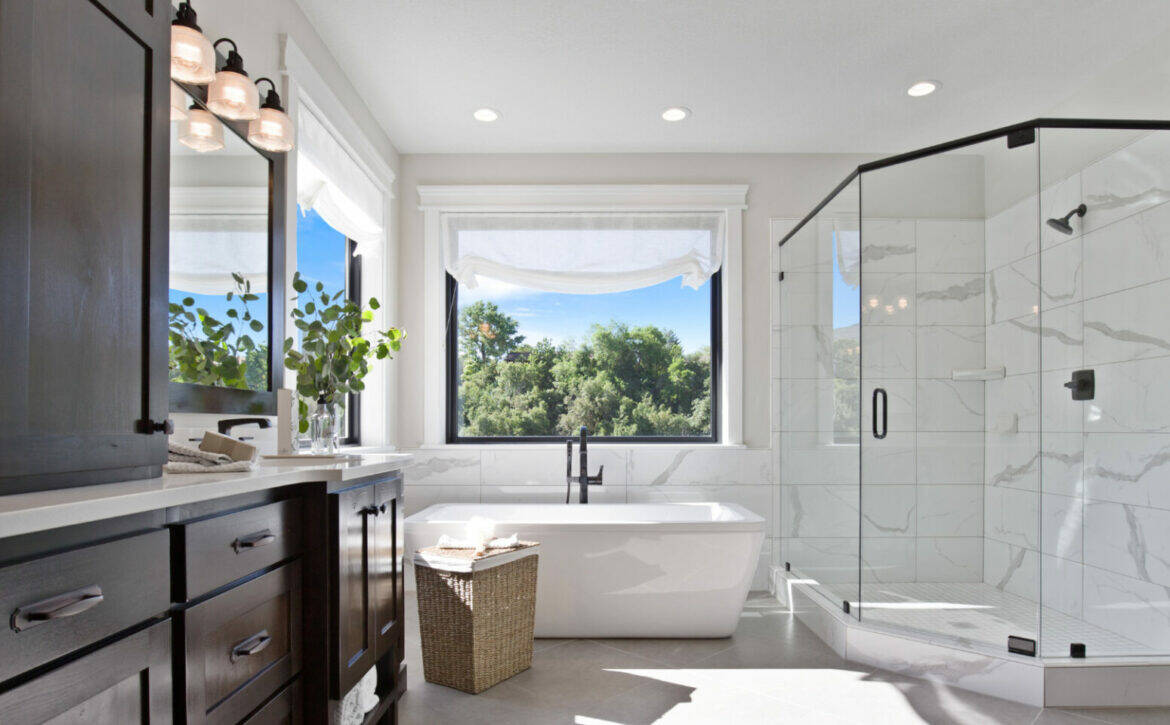
Having a clean shower screen is essential to keeping your bathroom looking fresh and hygienic. Many people opt for gleaming glass screens due to their classic clean look but over time, soap scum, hard water marks, and mildew can build up on the surface, making it appear cloudy and unappealing. Like any other surface in your home, they need regular cleaning to keep them looking their best. Here is a step-by-step guide on how to clean your shower screen and restore it to its former glory.


Step 1: Gather Your Supplies

Before you begin cleaning your shower screen, make sure you have all the necessary supplies on hand. You will need a bucket, a sponge, a squeegee, a scrub brush, white vinegar or a cleaning solution specifically designed for shower screens, and a microfiber cloth. You may also want to have some glass cleaner on hand for tougher stains. Limescale deposits on shower screens can be extremely difficult to remove. In our previous blog, we shared our top tips for removing limescale to keep your bathroom sparkling clean.


Step 2: Prepare the Area and Remove Loose Debris

Before you start cleaning, make sure the area around your shower screen is clear of any clutter or debris that could hamper your cleaning efforts. Hair, loose dirt and shampoo bottles are just some of the things that could get in your way. This will help you get the best results and make sure you don’t miss any spots.


Step 3: Apply Cleaning Solution

Clean shower limescale


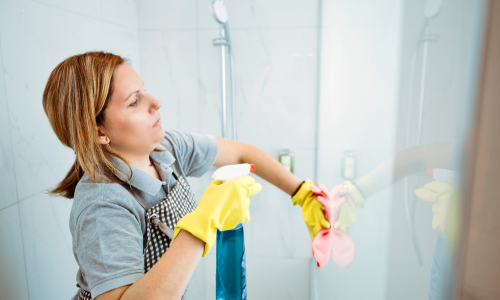
Once you’ve gathered all your supplies and prepared the area, it’s time to start cleaning! Start by dampening your cloth with warm water and mild detergent or cleaning solution. Gently wipe down the surface of the shower screen with this mixture until it is free of dirt and grime. Allow the cleaning solution to sit on the surface of the shower screen for a few minutes. This will help to break down any soap scum or hard water stains that have accumulated. If there are any tough stains that won’t come off with this method, try using a glass cleaner or a more powerful cleaner specifically designed for shower screens. If you’re struggling to remove water marks created by hard water, try a dab of vinegar or lemon juice. Using a scrub brush or sponge, gently scrub the surface of the shower screen. Pay special attention to any areas that have particularly stubborn stains. Avoid using abrasive materials like steel wool or scouring pads, as they can scratch the surface of the screen.


Step 4: Rinse & Dry

Once you’ve finished wiping down the shower screen with detergent or cleaner, it’s time to rinse it off with clean water and dry it with a soft cloth. This will help ensure that no residue is left behind that could cause streaks or spots on your shower screen over time. Use a squeegee to remove excess water from the surface of the screen. Make sure to dry it thoroughly to prevent any water spots from forming.


Tips for Maintaining Your Shower Screen

Cleaning your shower screen regularly is important for keeping it looking its best, but there are also some other tips you can follow to help maintain its condition over time:


  • Avoid using abrasive cleaners as these can scratch or damage the surface of your shower screen over time.
  • Try not to use too much pressure when wiping down the surface as this can cause scratches or marks on the glass.
  • Make sure you dry off any excess water after each use as this can cause streaks and spots if left unattended for too long.
  • If possible, try to avoid using harsh chemicals such as bleach as these can damage both glass and metal surfaces over time if used too often.
  • Install a Halcyan Water Conditioner to prevent limescale deposits from forming and make cleaning your shower screen even easier!


Conclusion

Cleaning your shower screen doesn’t have to be a difficult task! With just a few simple steps and some basic supplies, you can easily keep it looking its best without much effort at all! Following our advice will help you to clean your shower screen and keep it looking great for years to come. Regular cleaning will also help to prevent the buildup of soap scum and hard water stains, making it easier to maintain. To keep your shower screen clean and limescale free, you can install a Halcyan Water Conditioner to enjoy the benefits of treated water in your home.


If you’d like to find out more about the Halcyan Water Conditioner, you can explore our Knowledge Centre and find out how it works here. You can call our expert team on 0345 504 0656 for more information on whether you have hard water and how you can benefit from installing a Halcyan.


Why choose Halcyan?

Halcyan Water Conditioners is a British company based in Bristol and our alloy-based solution to hard water is unique to the UK. The effects of hard water on your cleaning routine are significant. Bathroom accessories such as shower screens and shower heads are particularly prone to mineral deposits and this can make cleaning a real chore. Our alloy-based Water Conditioner is an eco-friendly, people-friendly solution to grimy shower screens. With our 30 Year Warranty and our 12 Month Money Back Performance Guarantee, you protect your home now and into the future with Halcyan.

Learn More

How Much Money Does Limescale Add to Energy Bills?

Limescale can have a significant impact on energy bills. In this blog post, we’ll explore the costs associated with limescale build-up and what you can do to reduce your energy bills.


What is Limescale?

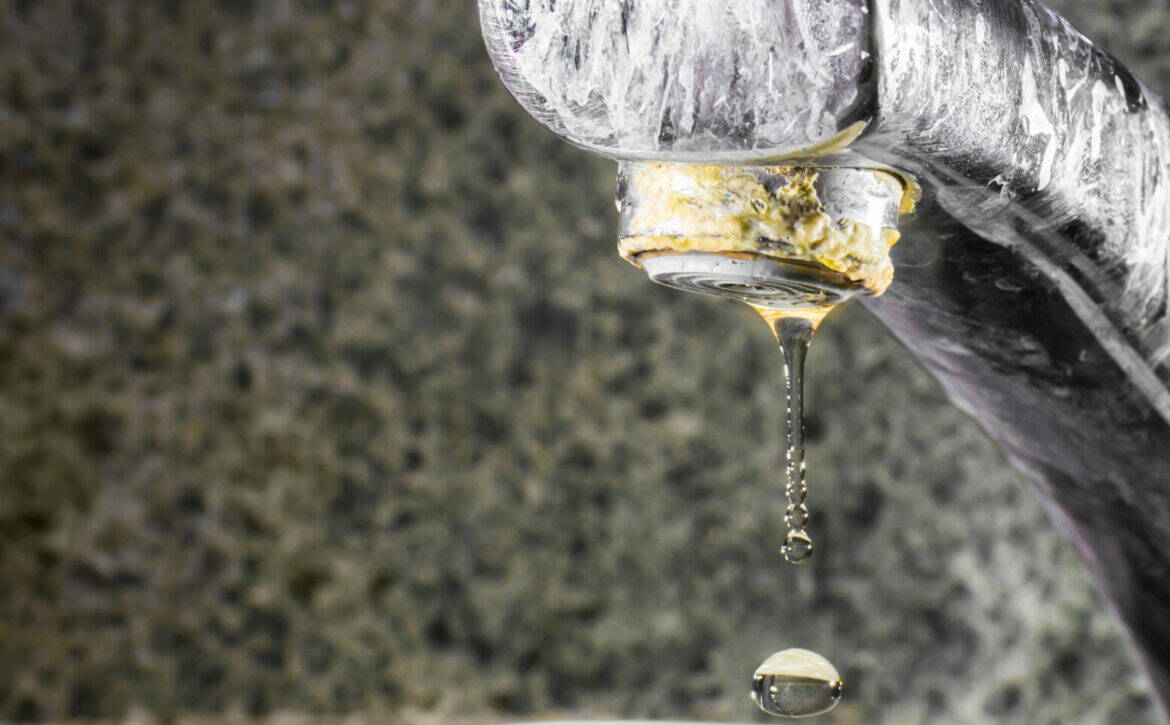
Limescale is a mineral deposit that forms when hard water (water with high levels of calcium and magnesium) evaporates. It’s most commonly found in areas with hard water, such as the UK, where it can build up in pipes and appliances over time. Limescale deposits are often white or yellowish in colour, and they can be difficult to remove once they’ve built up.


Limescale Build Up


How Does Limescale Affect Energy Bills?

The build-up of limescale in pipes and appliances can have a significant impact on energy bills. When limescale builds up on heating elements it reduces the efficiency of the appliance, meaning that more energy is required to achieve the same result when heating water. This means that you’ll be paying more for your energy bills than you would if there was no limescale present.


How much money does limescale add to bills?

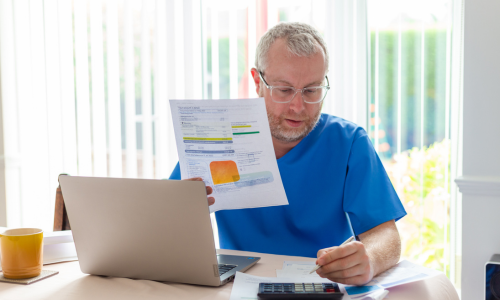
It’s a well documented fact that 60% households in the UK are supplied with hard water which causes limescale in the home. Incredibly this can add £500 or more to your annual energy bills as limescale covered heating elements (for example in your kettle, boiler and electric shower) use significantly more energy to heat the water used in your home. In fact just 3mm of limescale can increase energy consumption by 25%! This means energy bills are much higher than necessary, and so is the carbon footprint of the home. 


Limescale increases energy bills


What Can You Do To Reduce Your Energy Bills?

There are several steps you can take to reduce your energy bills if you have limescale build-up in the home:


  1. Install a water softener – A water softener will help reduce the amount of calcium and magnesium in your water supply, which will help reduce the amount of limescale build-up over time. Make sure you do your research into water softeners as they aren’t the most environmentally-friendly way to reduce limescale.
  2. Install a water conditioner – A Halcyan Water Conditioner is a great solution if you’re looking for a people-friendly, eco-friendly way to reduce the impact limescale has on your energy bills. Halcyan not only prevents hard water from leaving mineral deposits in your appliances and plumbing, but it actually removes existing limescale too! As the Halcyan doesn’t require anything other than a small amount of space in your pipework, it’s a really simple and convenient way to protect your home – and your bank balance! 
  3. Use descaling products – There are various descaling products available on the market which can help remove existing limescale deposits from pipes and appliances. These products should be used regularly to keep limescale at bay. 
  4. Regularly maintain your appliances – Regular maintenance of your appliances will help ensure that they remain efficient and don’t suffer from any unnecessary wear-and-tear due to limescale build-up. This could include cleaning filters regularly or replacing parts when necessary.

Conclusion

Limescale build-up can have a significant impact on energy bills, especially over a long period of time, but there are steps you can take to reduce its effects on your wallet. Installing a water conditioner, using descaling products regularly and maintaining your appliances regularly are all effective ways of reducing the amount of money spent on energy bills due to limescale.

If you’d like to find out more about the Halcyan Water Conditioner, you can explore our Knowledge Centre and find out how it works here. You can call our expert team on 0345 504 0656 for more information on how you can heat your water for less, by installing a Halcyan


Why choose Halcyan?

Halcyan Water Conditioners is a British company based in Bristol and our alloy-based solution to hard water is unique to the UK. As leaders in our industry, our mission is to help our customers save money, save energy and save the planet with our eco-friendly, people-friendly water conditioners. We take huge pride in our customer satisfaction and our testimonials speak for themselves. With our 30 Year Warranty and our 12 Month Money Back Performance Guarantee, you can be sure that the Halcyan will be working hard to keep you scale-free and save money on your bills for many years to come!


Learn More

How to Retrofit Your Home to Save Energy

Are you tired of receiving high energy bills every month? Do you want to reduce your carbon footprint and contribute to a healthier planet? Retrofitting your home can help you achieve both of these goals. Retrofitting is the process of upgrading existing homes with energy-efficient features to save energy and reduce waste. In this blog post, we will guide you on how to retrofit your home to save energy.


How Energy Efficient is Your Home?

Before retrofitting your home, it is crucial to conduct a home energy audit to identify areas where you can make improvements. An energy audit will help you understand your home’s energy consumption and how to make it more energy-efficient. You can hire a professional energy auditor or conduct a DIY audit using a home energy audit kit.

Install Insulation


Retrofit insulation


One of the most important steps you can take to improve the energy efficiency of your home is to install insulation. Properly installed insulation helps keep warm air in during the winter and cool air in during the summer, reducing the amount of energy needed to heat and cool your home. It also helps reduce noise levels and makes it easier to maintain a comfortable temperature throughout the year. When installing insulation, be sure to use materials that are rated for the climate where you live.

Average cost: £1400-£10,000

Replace Old Windows


Retrofit Windows


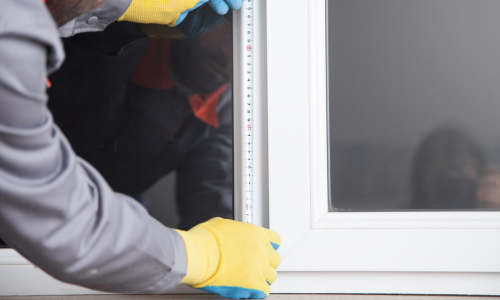
Old windows can be a major source of heat loss in a home, so replacing them with new, energy-efficient windows can help reduce energy costs significantly. Look for windows that are rated for high efficiency, such as those with double or triple glazing to ensure heat is reflected back into the room instead of escaping outside.

Average cost: Depending on the size of your home, you can pay anything up to £16,800 for uPVC windows and thousands more for timber and composite frames.

Install a Water Conditioner

It isn’t widely known that the hardness of your water may actually be costing you a great deal more than you realise. When hard water is allowed to course its way through your home, it leaves behind limescale buildup in your appliances and plumbing. Over time, this significantly reduces the efficiency of boilers, kettles, washing machines and any other appliance that uses water. Not only does it use a lot more energy, limescale is also the cause of appliance breakdowns and in some cases, this damage is irreparable.

The Halcyan Water Conditioner is a simple solution which will not only reduce your energy bills, but will protect your existing appliances and remove limescale from your home. The single cost of installing a Halcyan can give you around £500 savings on your annual energy bills!

Average cost £770 + fitting

Install a Smart Thermostat


Retrofit smart thermostat


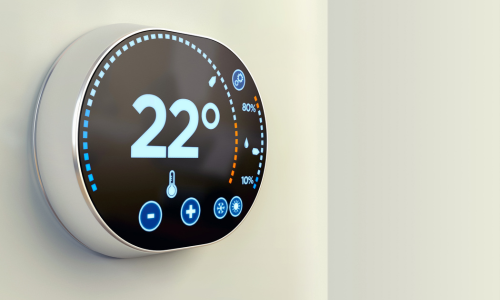
Smart thermostats allow you to control your heating and cooling system remotely from anywhere using an app on your smartphone or tablet device. They also learn from your usage patterns over time so they can automatically adjust temperatures when you’re away or asleep—helping you save even more money on utilities without sacrificing comfort levels in your home. Smart thermostats are easy to install and can be controlled from anywhere with an internet connection, making them a great way to save energy without having to make any major changes around the house.

Average cost: £120-220

Conclusion

Retrofitting your home requires an initial investment, but the long-term benefits are significant. From reducing your bills to improving your home’s carbon footprint, it’s a great idea to see where you can make improvements. By taking these steps, you can enjoy modern, planet-friendly features that will help reduce overall energy consumption while keeping it comfortable all year round—saving you money on utilities in the process!

If you’d like to find out more about the Halcyan Water Conditioner, you can explore our Knowledge Centre and find out how it works here. You can call our expert team on 0345 504 0656 for more information on whether you have hard water and how you can benefit from installing a Halcyan. 

Why choose Halcyan?

Halcyan Water Conditioners is a British company based in Bristol and our alloy-based solution to hard water is unique to the UK. While there are many ways to retrofit your home to save on energy and bills, our alloy-based Water Conditioner is an eco-friendly, people-friendly solution to hard water too! If you’ve had enough of rising energy bills, get in touch with us to see how our Halcyan Water Conditioner can help. With our 30 Year Warranty and our 12 Month Money Back Performance Guarantee, you can be sure that you’ll enjoy the benefits of your investment for many years to come!

Learn More

How Does Hard Water Affect Soap?

We all know that soap is essential for keeping our hands and bodies clean. But did you know that the type of water you use to wash with can have a big impact on how effective your soap is? Hard water, or water with high levels of minerals like calcium and magnesium, can make it difficult for soap to lather and perform its cleaning duties. In this blog post, we’ll take a closer look at how hard water affects soap and what you can do about it.


What is Hard Water?

Hard water is any type of water that has a high mineral content. This usually includes calcium, magnesium, and other minerals that are naturally occurring in the environment. These minerals are not harmful to our health but they can reduce effectiveness when it comes to using soap as well as causing problems for our plumbing and appliances.


How Does Hard Water Affect Soap?

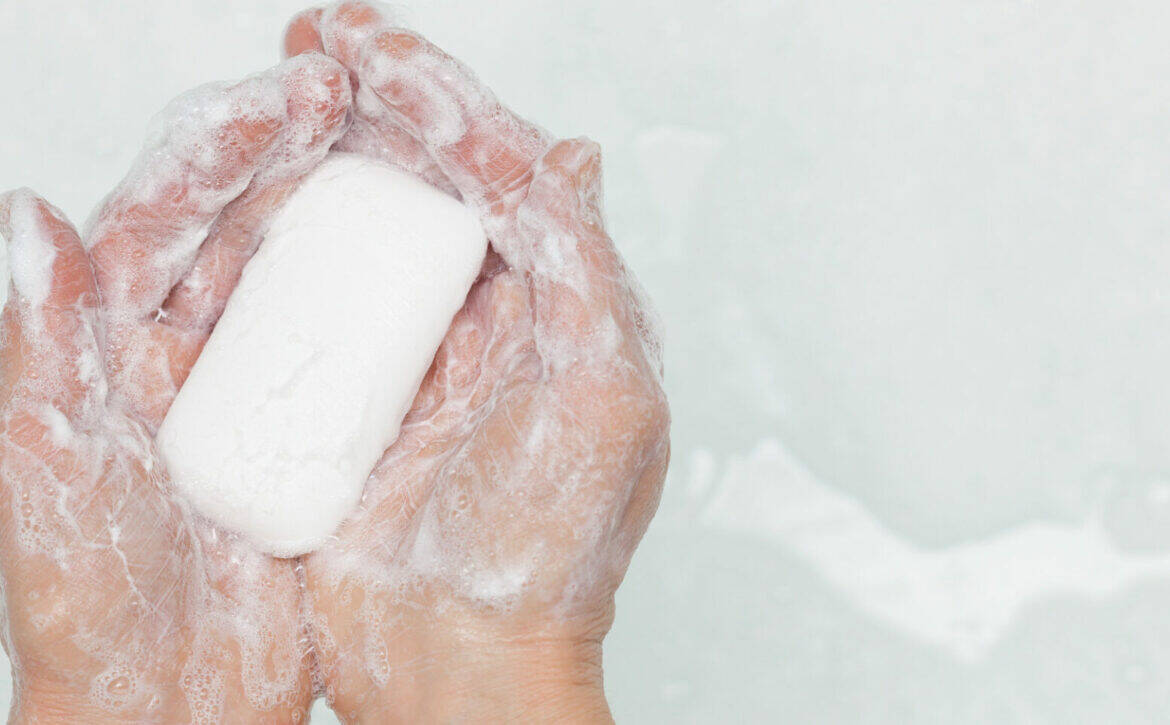
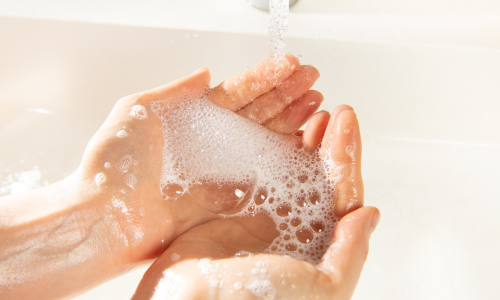
When hard water mixes with soap, it forms a substance called “soap scum” which is a sticky residue that can be difficult to remove from surfaces. This happens because the minerals in the hard water react with the fatty acids in the soap and form an insoluble substance that won’t dissolve in water. This interferes with the ability of soap to create a good lather. As a result, soap becomes less effective at cleaning and can leave a film on skin and hair.


Hard water soap

What Can You Do About It?

If you live in an area with hard water, there are several things you can do to make sure your soap works properly:


1) Use a Water Softener: A water softener will remove most of the minerals from your tap water so that it won’t react with your soap. This will help ensure that your soap lathers properly and performs its cleaning duties effectively. There are a few downsides to water softeners such as their negative impact on the environment and the required space to house the equipment.


2) Use a Water Conditioner: A water conditioner affects the way minerals in hard water behave, meaning that your hard water will behave more like softened water but without the salt. This will have a similar effect to using salt-softened water but without the negative environmental impact. Our Halcyan Water Conditioner is a tiny addition to your home with a huge impact!Halcyan Water Conditioner3) Use Liquid Soap: Liquid soaps are less likely to form scum when mixed with hard water than bar soaps are. If you live in an area with hard water, consider switching to liquid soaps instead of bar soaps for better results.


liquid soap hard water


4) Use Hot Water: Hotter temperatures help break down the molecules in the minerals which makes them less likely to form scum when mixed with soap. Try washing with hot (but not too hot!) tap water instead of cold or warm for better results.


5) Add Vinegar: For washing your clothing, adding a few tablespoons of vinegar to your wash cycle can help break down any scum that has already formed on surfaces or fabrics due to hard water use. Just be sure not to use too much vinegar as this could damage some fabrics or surfaces!


Conclusion

Hard water can have a significant impact on soap, causing it to form soap scum and reducing its ability to clean effectively. However, there are ways to combat the effects of hard water and ensure that your soap works as intended. By using a water conditioner and switching to liquid soap that is specially formulated for harder water, you can keep your skin, hair, and clothing clean and free from unsightly soap scum.


If you’d like to find out more about the Halcyan Water Conditioner, you can explore our Knowledge Centre and find out how it works here. You can call our expert team on 0345 504 0656 for more information on whether you have hard water and how you can benefit from installing a Halcyan.


Why choose Halcyan?

Halcyan Water Conditioners is a British company based in Bristol and our alloy-based solution to hard water is unique to the UK. Unlike water softeners, our alloy-based Water Conditioner is an eco-friendly, people-friendly solution to hard water. If you aren’t getting the results you were promised with your soap, shampoos and conditioners, get in touch with us to see how our Halcyan Water Conditioner can help! With our 30 Year Warranty and our 12 Month Money Back Performance Guarantee, you can enjoy brilliant bubbles without a care in the world!

Learn More

Halcyan to feature in elemental’s panel – Unsung Heroes of Energy Saving

Ahead of a panel discussion at InstallerSHOW on 28th June on some of the lesser known energy-saving products available, elemental are previewing a selection of the solutions that will be featured.

elemental is hosting three days of live panel discussions and Q&As at InstallerSHOW again this year, exploring energy efficiency in buildings and decarbonisation, with expert speakers to inspire and inform our audience, including our very own CEO, Samantha Mant.

elemental are hosting a session on 28th June showcasing some of the unsung heroes of energy saving – those products that can help a building cut down its energy use, but might not be as widely known as technologies like heat pumps and solar panels. Discussions will include the buildings they are suitable for, technologies that they might work well alongside and practical advice on including these solutions in your retrofit and newbuild projects.

The session will be hosted by BBC journalist Anne Davies and here is a taste of the technologies and solutions that will be discussed:

Halcyan Water Conditioners

Limescale (from hard water) is an excellent insulating material, with every 1mm on any heating element increasing its energy consumption by 7-10%! It also significantly increases maintenance, diminishes equipment life, and is entirely preventable.

Halcyan Water Conditioners prevent new limescale accumulating and remove existing deposits, so getting and keeping systems in good working order. An average home can save around 0.6 tonnes Co2e a year or roughly £500 by treating the hard water effectively.

Halcyan’s alloy core achieves excellent results without the use of any energy or chemicals, there are no ongoing costs or maintenance, and each unit lasts over 30 years.

WRAS certified and with a full range of sizes from 5 lpm to 7000 lpm, Halcyan can accommodate the requirements of any system, domestic, residential, commercial or industrial.


EcoDuct

EcoDuct saves up to 45% of the HVAC energy consumption of a building in which it is installed. Total HVAC costs have been estimated at up to 30% of the 30-year lifecycle cost of a typical building, so the saving could be as high as 13.5% of total costs. This is achieved by a combination of factors:

  1. Rounded shape of the ductwork giving greater efficiency
  2. Best in class for airtightness and pressure resistance – no leakages
  3. Best thermal performance from the phenolic insulation
  4. Internal connections with no thermal bridges and energy losses
  5. Lower internal frictional resistance, giving lower pressure drops

EcoDuct is suitable for any insulated ductwork in all types of buildings – commercial, industrial, public and residential. It is also suitable for any construction process – new build, retrofit and offsite modular.


Mixergy

Mixergy are market leaders in smart and connected hot water cylinders. Its “heat what you need” technology is saving energy and households up to 40% on their hot water bills, while heating their water up to 10x faster.

The Energy Savings Trust has verified a Mixergy cylinder reduces gas consumption by as much as 12%. If a boiler is short cycling regularly, Mixergy eradicates this and the consumption saving rises by as much 21%.

The smart cylinders are suitable for any domestic property and connect to any heat source (gas boilers, solar PV, heat pumps).


Chimella

The single biggest heat loss in your home comes from the great big holes in your roof…the chimneys. They act like an open window 24 hrs a day, seven days a week, sucking all your warm air out of your home and pulling all the cold air in. With one push of a button a Chimella opens up its energy saving canopy inside your fireplace and reduces heat loss by over 95%. It also catches the dirt too and its canopy trickle system prevents any damp forming in your chimney.
It will fit in any chimney in any home but is a must have for listed properties, plus Georgian, Victorian and Edwardian homes.

Showersave – Waste Water Heat Recovery

Recognised as a renewable technology in both SAP & SBEM, the products are a simple & easy to install energy saving appliance. Now fitted in over 100 000 homes across the UK & Europe, the range of products means there is a solution for your project no matter if you’re building an apartment, a bungalow, a house or a commercial development.

By installing Showersave, you are cutting your energy requirements and therefore saving money & cutting down on your carbon output. Showersave products are WRAS approved & Passivhaus certified giving you the head start you need in your new, energy efficient projects.


There will be lots more energy-saving solutions to discover, to register for InstallerSHOW, which is 27th to 29th June at the NEC in Birmingham, simply visit: installer-2023-visitor.reg.buzz

Check out the elemental programme here: installershow.com/event-timetable

Learn More